

A practical guide to workplace emergency evacuation planning (+ free template)


Most organizations have an evacuation plan. But having a plan and having one that actually works in an emergency are two different things. Many are missing key details that only become important when something goes wrong, including accountability procedures, communication protocols, and assigned responsibilities.
In this post, we’ll walk you through how to build an evacuation plan, including key elements it should include and a free template you can download to create your own.
What is an emergency evacuation plan?
An emergency evacuation plan is a documented set of procedures that explains how people should safely exit a workplace during an emergency. Its goal is threefold: to move people away from danger quickly, account for everyone who may be affected, and support emergency responders with accurate information.
A good plan goes beyond evacuation routes and defines who’s responsible for coordinating the response, how instructions are communicated, where people gather after leaving the building, and how responsible teams should account for employees, visitors, and contractors.
When should an evacuation plan be activated?
Evacuation plans are commonly used during:
- Fire or smoke events
- Gas leaks
- Structural damage
- Hazardous material incidents
- Bomb threats
- Utility failures that make a building unsafe
- Natural disasters that require evacuation
- Security incidents where leaving the area is safer than sheltering in place
Since there are situations where sheltering in place is safer, employees should understand both procedures and know how instructions will be communicated during an incident. Make sure your plan addresses both scenarios so people aren’t left guessing during an emergency.
Why every workplace needs an evacuation plan
When people know what to expect before an emergency happens, they’re more likely to respond effectively if one does. A well-documented evacuation plan helps reduce confusion, improve safety for everyone onsite, and support faster accountability checks. And in many cases, it’s also a regulatory requirement, not just a best practice.
For organizations with multiple locations, those challenges get harder to manage. Teams need a way to account for people across different sites, communicate clearly during an emergency, and make sure every location is actually prepared to respond. The core process should stay consistent, but each site’s plan needs to reflect its own layout, risks, and headcount.
Download the emergency evacuation plan template
To create a workplace evacuation plan for your organization, download our emergency evacuation plan template. It includes sections for:
- Roles and responsibilities
- Evacuation routes
- Muster point documentation
- Communication procedures
- Visitor and contractor accountability
- Drill and review schedules
The evacuation plan template is built to be filled in, not filed away. Whether you’re starting from scratch or updating something that’s been sitting untouched for a few years, it gives you a solid structure to work from that covers every component in this guide. Customize it for your site, share it with the right people, and you’ll have something your team can actually use.
What should an emergency evacuation plan include?
A plan is only as effective as the details behind it. Below, we’ll cover the key components every evacuation plan should include. (Each of these sections in our emergency evacuation plan template linked above.)
1. Emergency activation criteria
Employees should understand what types of incidents may trigger an evacuation.
The plan should define:
- Potential evacuation scenarios
- Who can initiate an evacuation
- How evacuation decisions are communicated
- When emergency services should be contacted
The goal is to remove ambiguity when action is needed, not to predict every possible incident.
2. Evacuation routes
People should know exactly how to leave the building safely.
Document:
- Primary evacuation routes
- Alternate routes
- Emergency exits
- Areas to avoid during specific incidents
- Accessible evacuation paths
Emergency evacuation maps should be posted throughout the workplace and reviewed regularly. Digital versions should also be accessible so anyone onsite can quickly reference evacuation routes and safe areas during an emergency.
3. Muster points
A muster point is the designated location where people gather after evacuating.
The location should be:
- Easy to identify
- Far enough from the hazard
- Accessible to emergency responders
- Large enough for expected occupancy
For a deeper look at selecting and managing assembly areas, see our guide on muster points.
4. Roles and responsibilities
People respond faster when responsibilities are assigned ahead of time.
Common roles include:
- Incident coordinator. Leads the evacuation and coordinates with emergency responders
- Floor wardens. Direct occupants toward exits and help clear assigned areas
- Accountability leads. Conduct headcounts and report missing individuals
- Communications lead. Shares updates before, during, and after the event
Each role should have a designated backup, in case the main point person is unavailable.
5. Employee accountability procedures
One of the first questions during any evacuation is simply, who is still inside?
Your plan should explain:
- How headcounts are conducted
- Who performs accountability checks
- How missing individuals are reported
- How information is shared with first responders
6. Visitor and contractor procedures
Many evacuation plans focus only on employees and overlook contractors, visitors, vendors, and others who might be onsite during an emergency.
When pulling your plan together, be sure to discuss:
- How visitors receive evacuation instructions
- Who escorts visitors during an evacuation
- How contractors are accounted for
- Where visitor records can be accessed during an emergency
This is especially important on sites with large visitor volumes or multiple entry points.
7. Accommodations and accessibility considerations
Not everyone can evacuate using the same route or process, and your plans should reflect that.
Be sure to address:
- Mobility limitations
- Temporary injuries
- Hearing or visual impairments
- Medical needs
- Evacuation assistance responsibilities
These procedures should be reviewed with affected employees before an emergency occurs. It’s also a good idea to train coworkers, managers, and floor wardens on how they can assist if help is needed.
8. Communication protocols
An evacuation extends past the time people leave the building.
Your plan should outline:
- How evacuation instructions are delivered
- Who can send emergency notifications
- How updates are shared during the incident
- How return-to-work instructions are communicated
For facilities where phones aren’t always accessible, you can reach frontline teams on the screens they already pass with visual evacuation instructions that reinforce other emergency communications.
Clear communication helps prevent confusion after the evacuation and ensures people affected understand the situation, expected next steps, and when it’s safe to return.
How often should an evacuation plan be reviewed?
At a minimum, evacuation plans should be reviewed once a year. But they should also be updated anytime something changes that could affect how people evacuate or how the response is managed. That includes workplace renovations or layout changes, office relocations, significant occupancy or staffing changes, and updates to emergency procedures. Real emergency events and evacuation drills or tabletop exercises are also good triggers for a review.
Drills and real emergencies will often reveal issues that aren’t obvious on paper. Reviewing the plan afterward helps teams identify what’s working, what isn’t, and what needs to be updated before the next evacuation.
—
An evacuation plan is one piece of a larger emergency preparedness program. The strongest programs combine documented procedures with regular training, drills, real-time communications, and visibility into who is onsite during an emergency. They also incorporate risk awareness, helping teams identify potential threats before an evacuation becomes necessary.
Building that kind of program takes the right tools and processes to back it up. Learn how Envoy can support your emergency management strategy.
Read more

Compare leading mass notification vendors, their best-fit use cases, and key tradeoffs. Learn what to evaluate before choosing a system.

New Envoy research reveals where physical security gaps emerge and whether organizations can prove their controls are working.
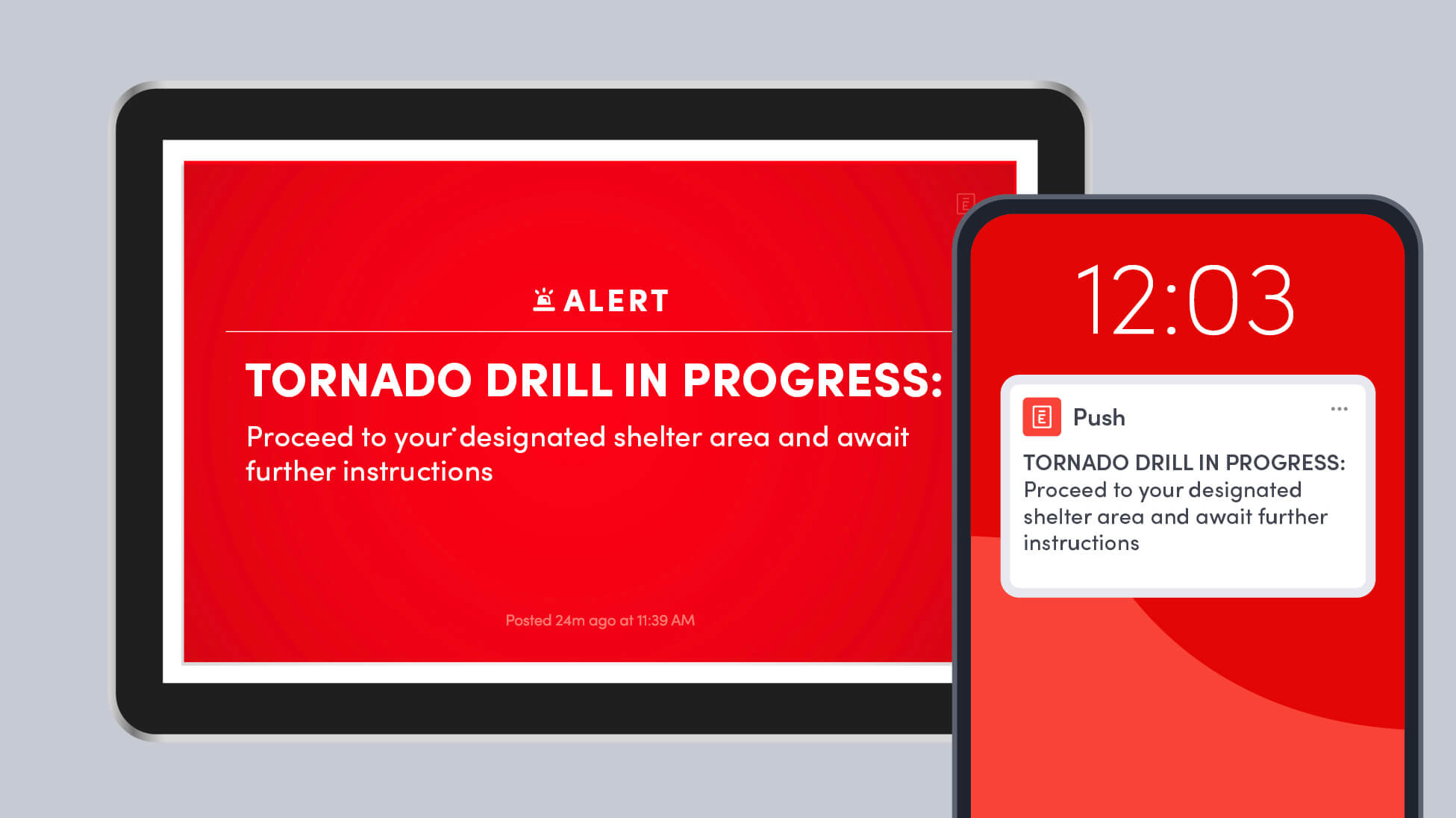
Learn how to run a workplace tornado drill, choose safer shelter areas, account for everyone onsite, and improve your emergency response plan.
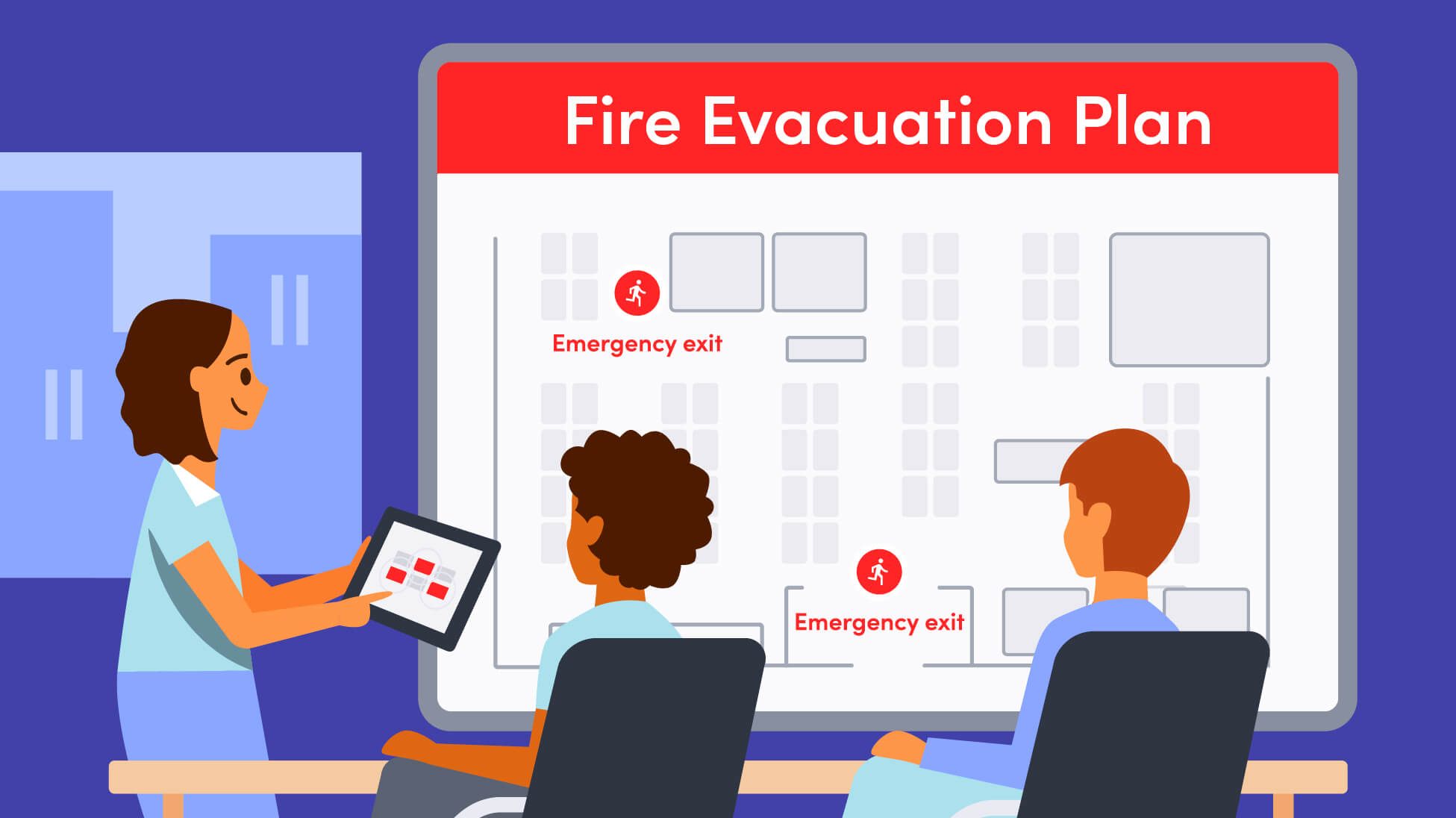
A strong fire evacuation plan goes beyond exit routes. Here’s how to plan for alerts, muster points, accountability, response roles, accessibility, and everyone who may be onsite.
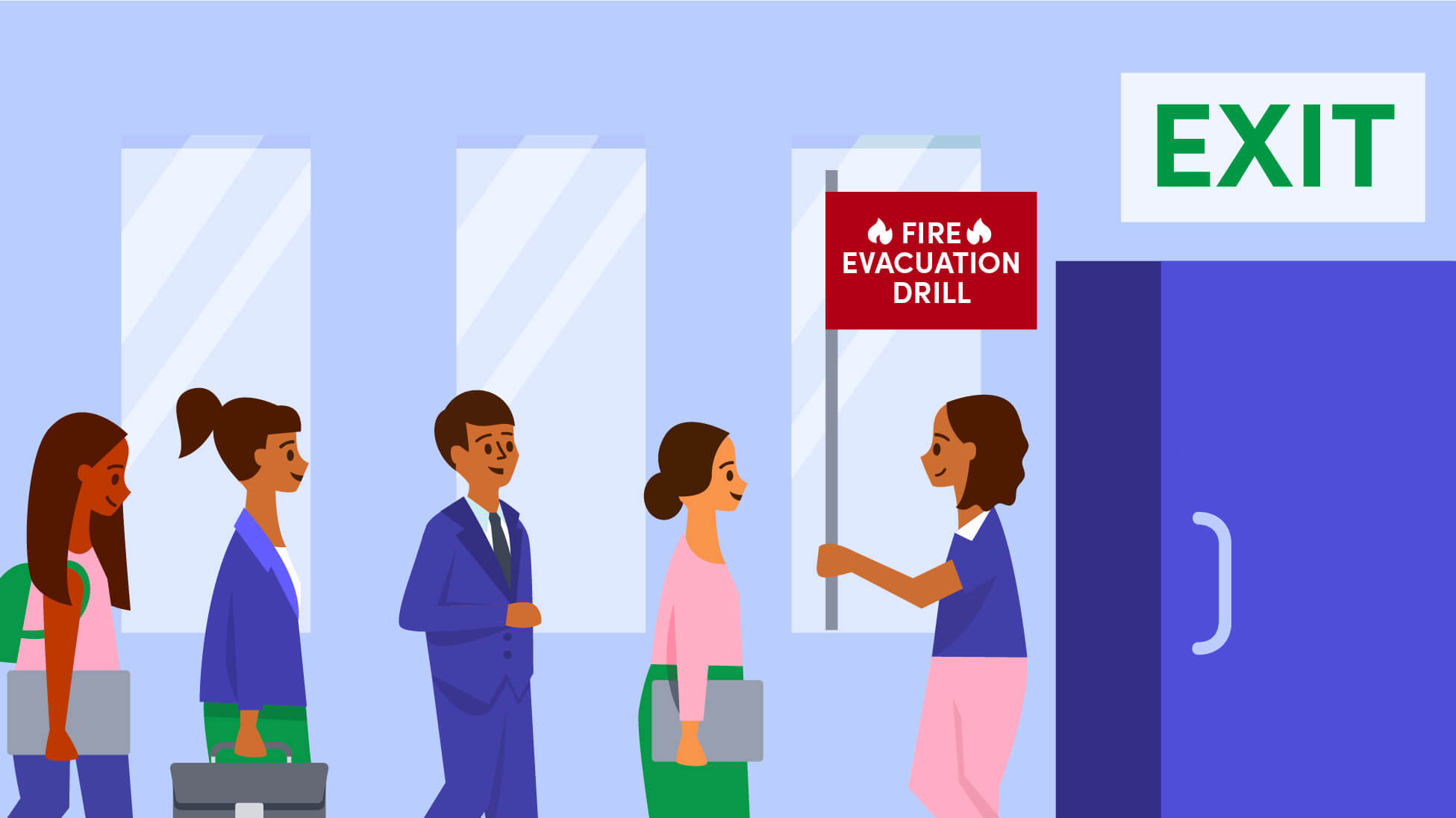
This guide breaks down the key response roles every workplace should define, from incident leads and wardens to communications, accountability, and backup coverage.
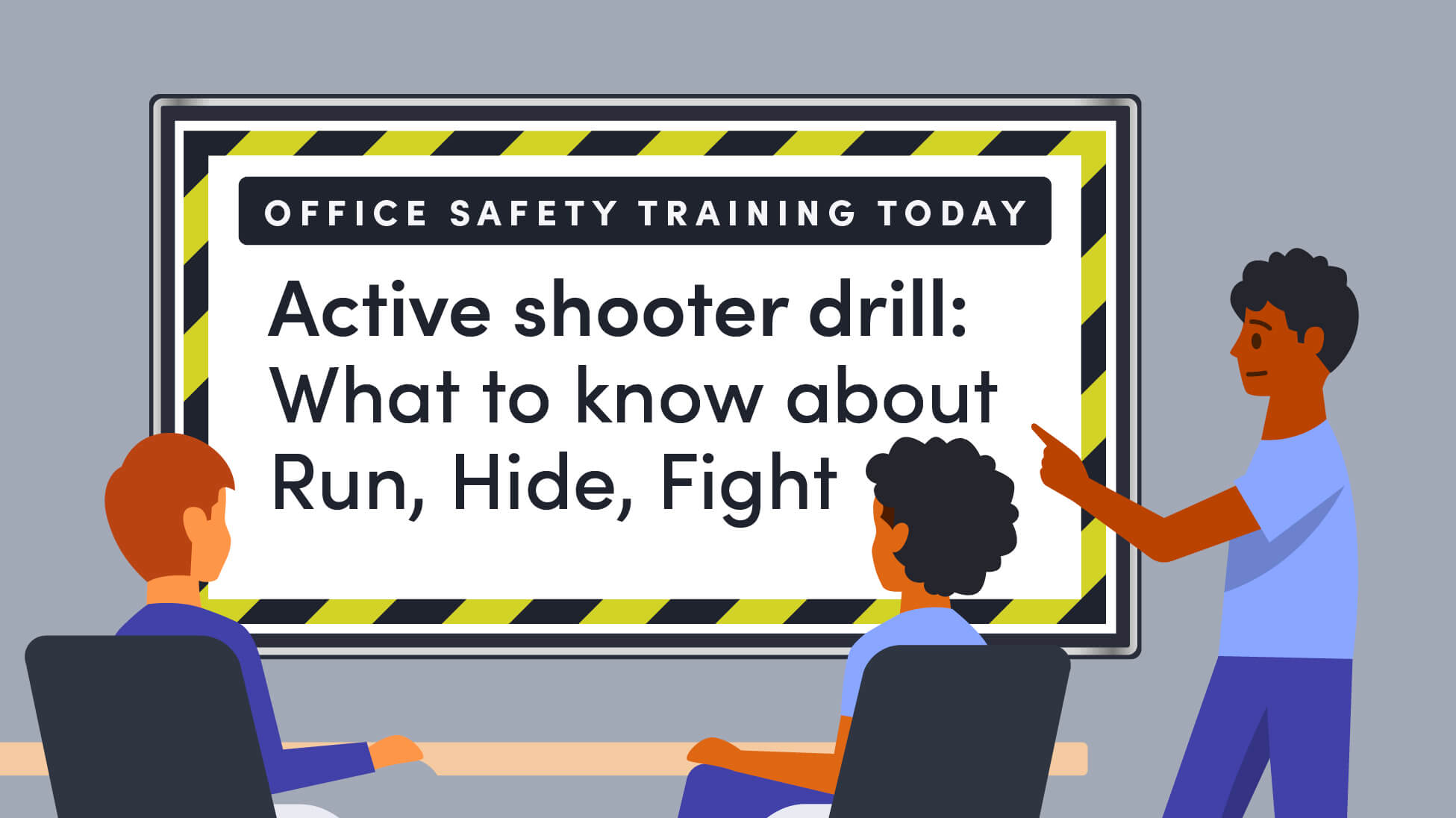
Active shooter drills should build preparedness without creating unnecessary fear. Here’s how to test communication, decision-making, accountability, and response roles with a safer, more thoughtful exercise.