

How many types of workplace violence are there? A breakdown of the OSHA categories


When it comes to workplace violence, the incident is often preceded by warning signs that were missed, dismissed, or never reported. Understanding the different types of workplace violence is the first step in prevention. Below, we’ll break down OSHA’s four types of workplace violence, along with examples and practical steps organizations can take to reduce risk.
What is workplace violence?
OSHA defines workplace violence as any act or threat of physical violence, harassment, intimidation, or other threatening disruptive behavior that occurs at the worksite. That ranges from verbal threats and harassment to physical assault and homicide.
Workplace violence affects all industries, organization sizes, and levels of a company. And while some incidents happen without warning, many involve patterns that, with the right systems and awareness, can be identified and addressed before they escalate.
How many types of workplace violence are there?
OSHA recognizes four categories of workplace violence. Each one is defined by the relationship between the person committing the act and the workplace or its people. Below, we’ll cover examples of workplace violence in each category.
Type 1: Criminal intent
In Type 1 incidents, the person responsible has no legitimate relationship to the workplace. They enter with the intent to commit a crime (robbery, theft, or another offense), and violence occurs in the process.
Type 1 incidents are the most common type of fatal workplace violence in the United States. They mostly often affect workplaces that handle cash, operate late hours, or have limited security presence. This includes convenience stores, gas stations, banks, and taxi or rideshare drivers.
{{protip-1}}
Organizations in higher-risk industries should pay close attention to physical security measures, after-hours protocols, and staff training on how to respond to threatening situations.
Type 2: Customer or client
Type 2 involves someone who has a legitimate reason to be in the workplace and who becomes violent toward an employee. This could be a customer, patient, student, or client. This type of workplace violence is often seen in healthcare, social services, and education, where employees regularly interact with people who may be in distress.
{{protip-2}}
Unlike Type 1, the person responsible is someone the organization may know, which makes early recognition of escalating behavior particularly important.
Type 3: Worker on worker
In Type 3 incidents, violence happens between people who work at the same organization. This includes physical assault, but also encompasses threats, intimidation, and harassment between colleagues. It can involve current employees, former employees, or in some cases, contractors.
{{protip-3}}
This category tends to have the most visible warning signs in advance. Behavioral changes, escalating conflicts, expressions of grievance, and threats (even ones that seem minor) are patterns that should be taken seriously.
Type 4: Personal relationship
Type 4 involves someone who has a personal relationship with an employee (a domestic partner, family member, or acquaintance) who brings that conflict into the workplace. The violence is directed at a specific person, but it puts everyone in the workplace at risk.
{{protip-4}}
This type can be especially difficult to anticipate because the person involved often has no direct connection to the workplace. As a result, prevention relies heavily on employees feeling comfortable sharing concerns before a situation escalates.
Warning signs and risk factors
Not every workplace violence incident can be prevented, but many can be. In the very least, many can be mitigated when organizations know what to watch out for in advance.
Common behavioral warning signs include:
- Escalating expressions of anger, frustration, or grievance
- Threats, whether direct or indirect
- Sudden changes in behavior or performance
- Obsessive focus on a coworker, supervisor, or personal situation
- References to violence or past violent incidents
- Signs of substance abuse or significant personal stress
Organizational risk factors that can increase exposure include:
- Working with the public or in customer-facing roles
- Handling cash or high-value items
- Working alone or in isolated settings
- Operating during late-night or early-morning hours
- Working in high-stress or understaffed environments
- Lack of clear reporting procedures or security protocols
Understanding both individual warning signs and organizational risk factors helps teams move from reactive to proactive.
The role of visibility in prevention
One of the most consistent gaps in workplace violence prevention is visibility. Organizations often don’t have a clear picture of who’s in their buildings, what access they have, or whether any known concerns exist about a specific individual.
This gap matters across all four OSHA categories. For Type 1, it’s about knowing who is entering your facilities and whether physical security measures match your risk profile. For Type 2 and Type 3, it requires systems that support early identification of escalating behavior. For Type 4, it requires ensuring that when an employee raises a concern, that information can inform access decisions quickly.
Integrated visitor management, identity verification, and access control are part of a broader threat awareness infrastructure that allows organizations to act on information before an incident occurs rather than after.
{{protip-5}}
Building a prevention-focused approach
Workplace violence prevention works best when it’s treated as a program, not a policy. That means combining clear procedures with training, reporting mechanisms, and the right tools to support awareness and response.
A few elements that matter most:
- Clear reporting channels. Employees need to feel safe raising concerns without fear of being dismissed or facing retaliation. Anonymous reporting options can help surface issues that might otherwise go unreported.
- Training that goes beyond compliance. Checking a box on annual safety training is different from building genuine awareness. Training should help employees recognize warning signs, understand reporting procedures, and know how to respond in the moment. They should also happen on a regular basis.
- Access and visitor controls. Knowing who’s in your workplace] and being able to act on that information quickly is key to prevention. This is especially relevant for Type 1 and Type 4 incidents, where controlling access is one of the most direct levers available.
- A response plan that’s practiced. Prevention reduces risk, but it doesn’t eliminate it. Organizations should have documented response procedures that staff are familiar with before they’re needed. It’s good practice to cover different safety meeting topics on a regular basis, so employees know what to look out for and how to act if an act of workplace violence does occur.
{{protip-6}}
—
Workplace violence deserves attention as an ongoing part of how organizations think about safety. The four OSHA categories above are a useful starting point for understanding where risk actually comes from and what’s worth addressing before something happens.
Assessing whether your current tools are keeping up? Check out Envoy for emergency management to help identify risks earlier, communicate faster during incidents, and keep everyone onsite informed during a crisis.
Example: An armed individual enters a retail location after closing with the intent to rob the safe, and a staff member is assaulted during the incident.
Example: A patient in an emergency department becomes agitated during a long wait and physically threatens someone on the nursing staff.
Example: A former employee returns to the workplace after being terminated and confronts their former supervisor.
Example: A family dispute escalates and one party comes to the other’s place of employment to confront them on company property.
To hear how security leaders are approaching this in practice, check our People, access, and emergencies webinar.
Want to build a program like this? Our Workplace emergency planning guide is a good starting point to creating a more structured approach to prevention, response, and recovery.
Read more

Compare leading mass notification vendors, their best-fit use cases, and key tradeoffs. Learn what to evaluate before choosing a system.

New Envoy research reveals where physical security gaps emerge and whether organizations can prove their controls are working.
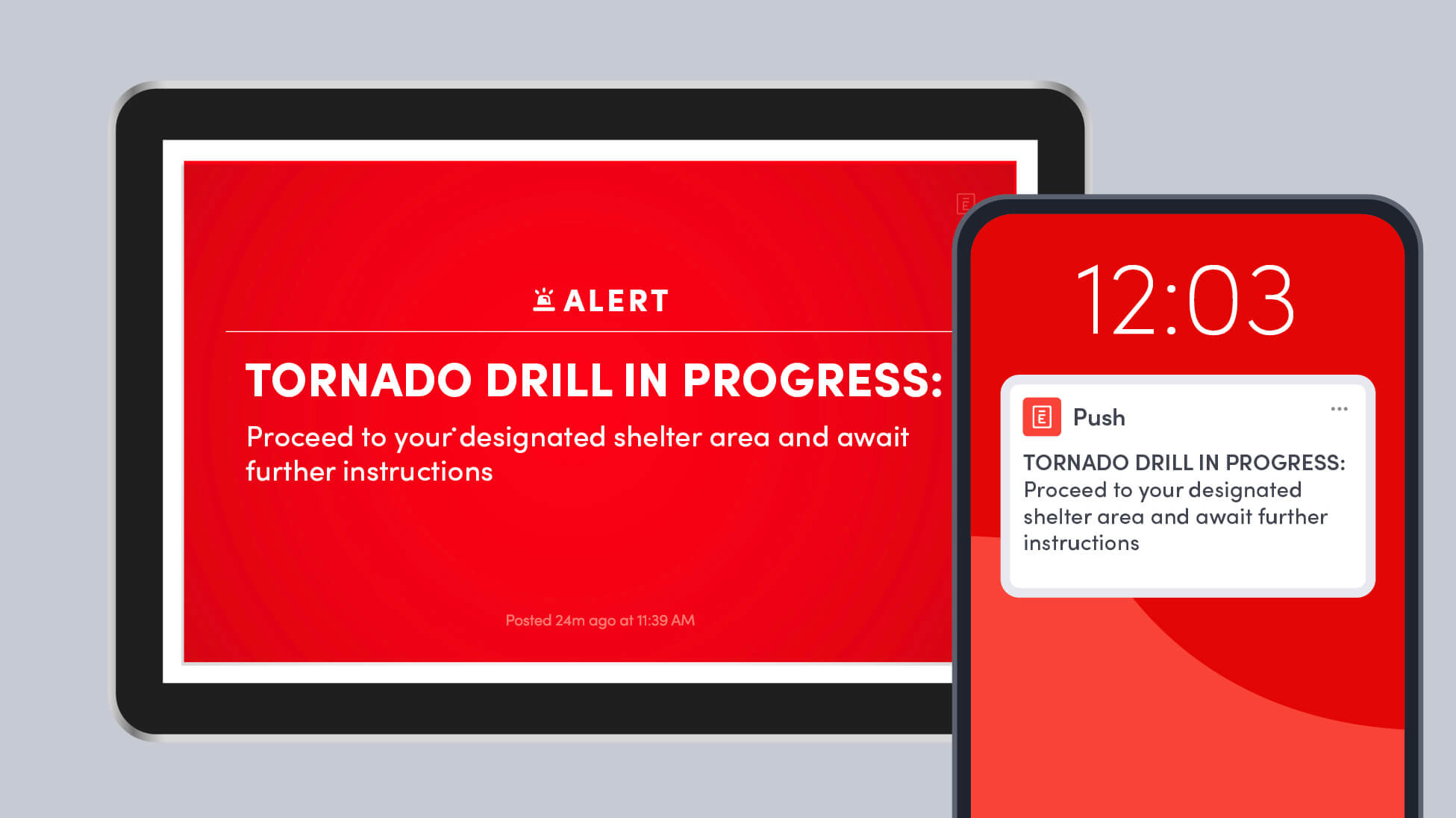
Learn how to run a workplace tornado drill, choose safer shelter areas, account for everyone onsite, and improve your emergency response plan.
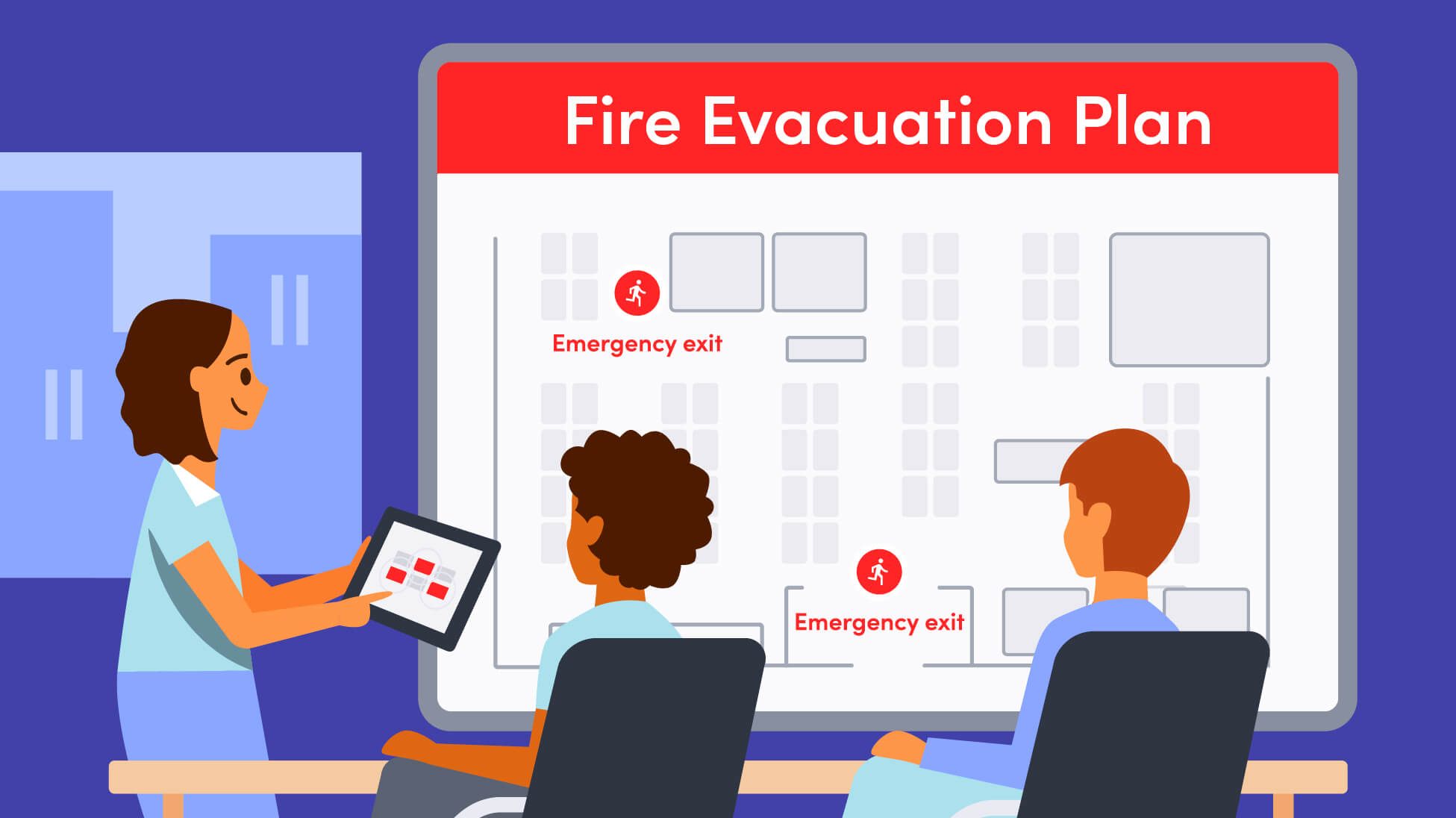
A strong fire evacuation plan goes beyond exit routes. Here’s how to plan for alerts, muster points, accountability, response roles, accessibility, and everyone who may be onsite.
This guide breaks down the key response roles every workplace should define, from incident leads and wardens to communications, accountability, and backup coverage.
Active shooter drills should build preparedness without creating unnecessary fear. Here’s how to test communication, decision-making, accountability, and response roles with a safer, more thoughtful exercise.