

How to prevent workplace violence: practical strategies for every organization


Ask 10 people what workplace violence prevention looks like, and you’ll probably get many different answers, since it touches many areas.
Building an effective workplace violence prevention program requires organizations to go beyond building a policy or holding annual training sessions. They also need to plan, build genuine threat awareness, and establish operational processes that work together.
Prevention starts before an incident happens
Often, there are warning signs before a workplace violence incident occurs, including behavioral changes, escalating conflicts, reported concerns that didn’t get followed up on.
One of the most important shifts organizations can make to stop workplace violence is building systems and a culture that surface concerns early, take them seriously, and act on them before a situation escalates.
1. Start with a clear, well-communicated policy
A workplace violence prevention policy sets the foundation for everything else. Without one, expectations are unclear, reporting is inconsistent, and organizations are left responding to incidents rather than preventing them. A strong policy should:
- Define what constitutes workplace violence, including threats, harassment, and intimidation, not just physical acts
- Make clear that all reports will be taken seriously and investigated
- Outline the consequences for behavior that violates the policy
- Include protections for employees who report concerns in good faith
- Be communicated to all employees, not just distributed during onboarding and forgotten
The policy is only effective if people actually know about it and believe it will be acted on. Regular reinforcement (through training, management behavior, and visible follow-through on reported concerns) is what gives a policy real weight, so don’t stop at just creating it.
2. Build a training program that goes beyond compliance
Annual safety training that checks a box doesn’t build genuine awareness. Effective workplace violence prevention training is ongoing, scenario-based, and designed to help employees actually recognize and respond to concerning behavior. Training should cover:
- How to recognize early warning signs across all four types of workplace violence
- How to report concerns and what happens after a report is made
- How to de-escalate tense situations, especially for customer-facing roles
- What to do during an active threat situation
Managers need additional training on how to handle disclosures, document behavioral concerns, and escalate appropriately. They’re often the first point of contact when something is wrong, and if they’re untrained or undertrained, they can be the place where prevention breaks down.
Covering safety meeting topics related to workplace violence regularly, not just during formal training cycles, helps keep awareness high and signals to employees that this is taken seriously.
3. Address physical security
Physical security measures reduce opportunity and can slow escalation if something does happen. In many cases, visible security measures also serve as a deterrent. The presence of access controls, cameras, and staffed entry points signals that the organization takes safety seriously and makes it harder for threats to go unnoticed. Measures worth evaluating include:
- Access control systems that limit who can enter the building and when
- Visitor management processes that verify identity and log who is onsite
- Security cameras in key areas, with clear policies on monitoring and retention
- Panic buttons or duress alarms for high-risk roles or locations
- Adequate lighting in parking areas, stairwells, and building entrances
- Policies for employees working alone or in isolated settings
One physical security gap that often gets overlooked is what happens after someone leaves the organization. Many acts of workplace violence occur during or after the termination process. Yet many organizations don't have a consistent process for immediately revoking access, disabling credentials, or updating watch lists when an employee departs. If a former employee can still badge into a facility or isn't flagged at check-in, the risk doesn't end when employment does.
This same challenge applies to contractors and vendors. Organizations can unintentionally rehire or readmit individuals who were previously removed for cause when staffing agencies and workplace systems don't share the same information. In one example, a logistics company discovered it was repeatedly rehiring drivers terminated for theft because the staffing agency could verify identity but had no visibility into prior incidents.
Modern workplace platforms can help automate these processes by connecting HR systems, identity providers, visitor records, and watch lists. This makes it easier to revoke access immediately after a termination and ensure flagged individuals are identified if they attempt to return.
The right combination of physical security measures depends on your industry, building layout, and risk profile. But making sure access is removed promptly when someone leaves should be a baseline for every organization.
4. Create a threat assessment process
Threat assessment is one of the most underused tools in workplace violence prevention. It’s the structured process of evaluating concerning behavior or situations to determine the level of risk and what response is appropriate. Organizations with mature prevention programs typically have:
- A designated threat assessment team that includes HR, security, legal, and management
- A clear process for what happens when a concern is reported
- Documentation practices that capture behavioral patterns over time
- Relationships with external resources (law enforcement, mental health professionals, or threat assessment consultants) for situations that require outside expertise
The goal of threat assessment is to take concerning information seriously, evaluate it in context, and respond proportionately. Organizations that do this well are significantly better positioned to intervene before a situation escalates.
Visibility is critical. Teams need to know who’s onsite at any given time, what access different individuals have, and whether any reported concerns exist about a specific person.
5. Establish reporting channels
Employees often notice concerning behavior first, but they don’t always report it. That can be because they’re not sure who to tell, they worry about retaliation, or they don’t think it will be taken seriously. Creating reporting channels that employees actually use requires:
- Multiple options for reporting, including anonymous channels
- Clear communication about how reports are handled and by whom
- Consistent follow-through that demonstrates reports lead to action
- A culture where raising concerns is encouraged, not penalized
Anonymous reporting is important for situations involving coworkers or supervisors, where employees may fear the consequences of being identified. Organizations that make anonymous reporting easy and credible tend to surface issues earlier, which is exactly where prevention has the most impact.
6. Have a post-incident response plan
Prevention reduces risk but doesn’t eliminate it. Organizations also need to be prepared for what happens if an incident does occur, including the immediate response and in the recovery period that follows. A post-incident response plan should address:
- Immediate safety and medical response
- Communication to employees, families, and stakeholders
- Access to counseling and mental health support
- Documentation and reporting requirements
- A structured after-action report to understand what happened and what can be improved
Running a tabletop exercise that walks your team through a simulated workplace violence scenario is one of the most effective ways to test your response plan and identify gaps in advance. It surfaces assumptions, clarifies roles, and helps make a real response more effective.
The shift from reactive to proactive
The most successful prevention is built around early detection and ongoing awareness. Shifting your program from reactive to proactive comes down to visibility into who’s in your workplace and what’s been reported, systems that surface concerns before they escalate, and a culture where people feel safe speaking up. Each of these things take a concerted effort to put into place.
A practical place to start: audit what you currently have. Map out where your reporting channels, training, access controls, and threat assessment processes stand today, then identify your biggest gaps. Most organizations find that the weak points aren’t hard to spot once they’re looking.
{{protip-1}}
—
No single workplace violence prevention strategy eliminates risk on its own. To be successful, organizations must approach prevention from multiple angles, with clear policies, employee training, physical security, reporting processes, and a plan for evaluating concerns before they escalate.
The good news is that most prevention programs don’t need to be built from scratch. In many cases, it’s a matter of identifying gaps in existing processes and strengthening the connections between them.
If you’re looking to improve workplace visibility, emergency preparedness, and coordinated response, learn how Envoy helps organizations support workplace safety across locations.
To hear how security leaders are building that kind of program in practice, this webinar covers the gaps they’re working to close and how they’re thinking about integrated safety.
Read more

Compare leading mass notification vendors, their best-fit use cases, and key tradeoffs. Learn what to evaluate before choosing a system.
New Envoy research reveals where physical security gaps emerge and whether organizations can prove their controls are working.
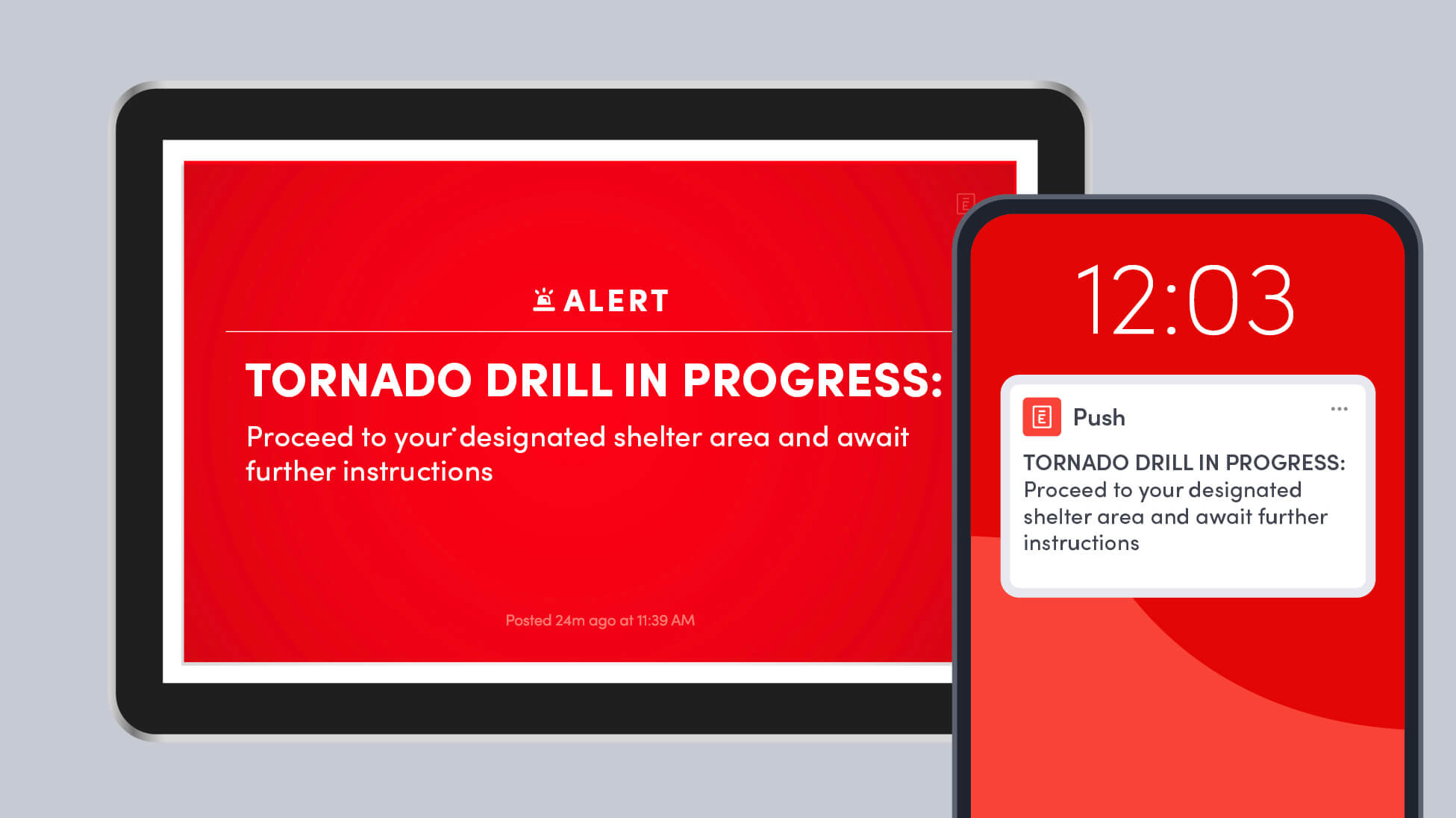
Learn how to run a workplace tornado drill, choose safer shelter areas, account for everyone onsite, and improve your emergency response plan.
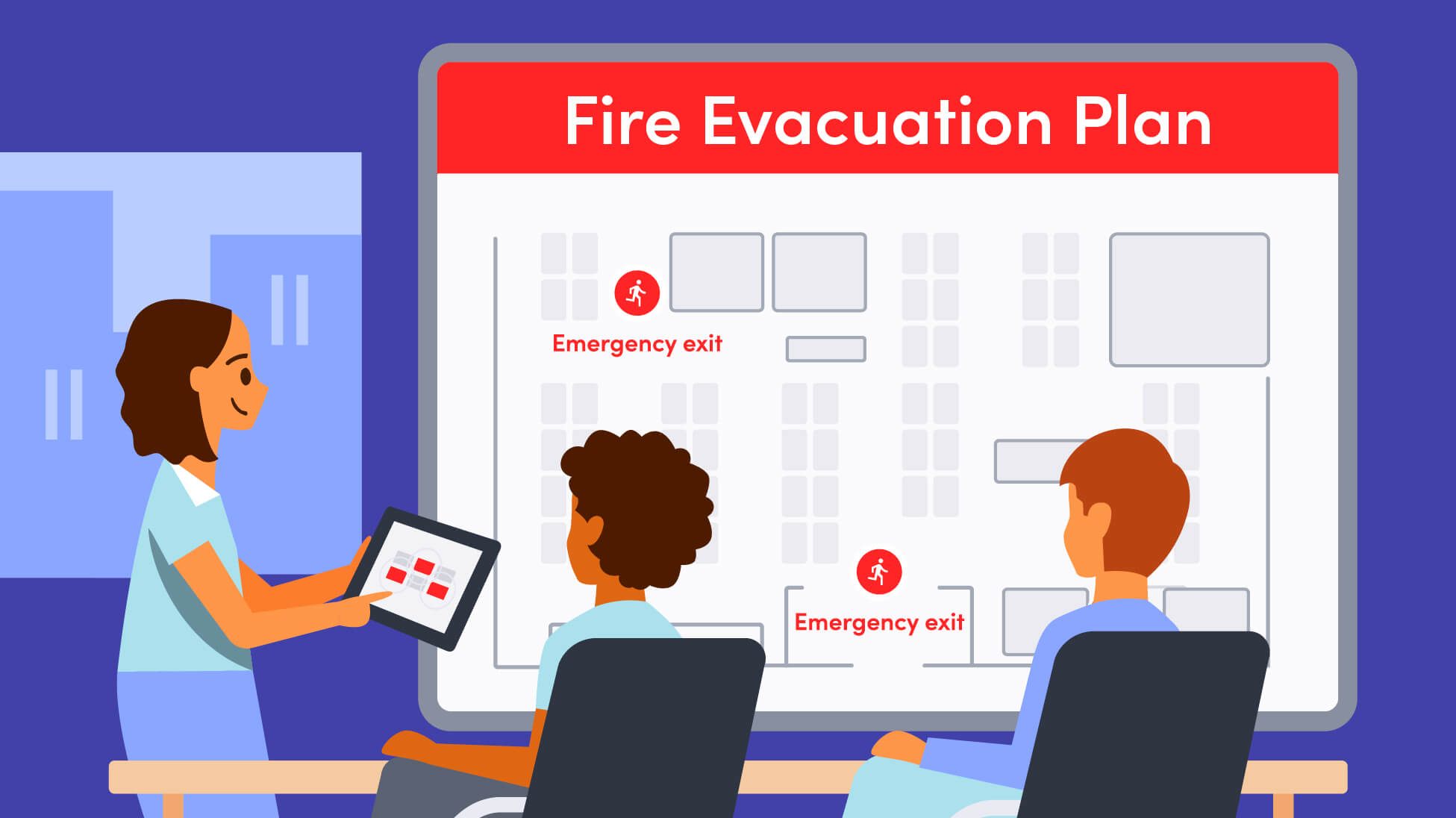
A strong fire evacuation plan goes beyond exit routes. Here’s how to plan for alerts, muster points, accountability, response roles, accessibility, and everyone who may be onsite.
This guide breaks down the key response roles every workplace should define, from incident leads and wardens to communications, accountability, and backup coverage.
Active shooter drills should build preparedness without creating unnecessary fear. Here’s how to test communication, decision-making, accountability, and response roles with a safer, more thoughtful exercise.