

Operational risk assessment 101: methodology, matrix, downloadable template


Every organization has operational risks. Some are obvious, while others are hidden in everyday processes. The challenge is identifying them before they affect your business.
This guide breaks down a practical operational risk assessment framework, including how to identify risks, score them consistently, and prioritize the actions that will have the biggest impact.
What is an operational risk assessment and why does it matter?
An operational risk assessment is the structured process used for identifying, evaluating, and prioritizing the risks that could disrupt your day-to-day operations. It looks for risks hiding in outdated procedures, disconnected systems, staffing gaps, and vendor dependencies.
For a multi-site organization, risk doesn’t look the same at every location. A manual visitor sign-in process might be a minor inconvenience at your smallest office and a serious liability at your busiest headquarters.
Without a consistent assessment process, you end up with many different risk pictures instead of one enterprise-wide view, and no reliable way to compare a gap in one location against another.
The methodology: identify, assess, score, prioritize, mitigate
A sound operational risk management framework runs on these five repeatable steps.
1. Identify
Pull together stakeholders from security, facilities, HR, IT, and business continuity, and list every risk you can find across each operational area. This should include visitor management, emergency response, physical security, third-party vendors, technology, supply chain, workforce safety. At this stage, don’t filter. The goal is to establish a complete inventory.
2. Assess
For each risk, document what’s already in place to reduce it. A risk with no existing controls looks very different from one with a partial fix already in progress, and knowing the difference matters when you get to prioritization.
3. Score
Rate each risk’s likelihood and potential impact using a standardized matrix. (We’ll dive deeper into this later.) This turns a long, qualitative list into something you can actually rank.
4. Prioritize
Sort your scored risks and focus resources on the ones rated high or very high. This is also where multi-site patterns tend to surface. If the same risk scores high at twelve locations, it’s a systemic gap.
5. Mitigate
Assign an owner, a target date, and a fix to every priority risk. Favor fixes that address the root cause (e.g., new tool, a documented process, a system integration) over ones that only patch the immediate symptom.
Then repeat. Operational risk is a good assessment process. New sites, new vendors, and new threats all mean the inventory needs to stay current.
{{protip-1}}
Scoring risk with a likelihood x impact matrix
Once you’ve got a list of risks, the next question is which ones matter most. That’s where an operational risk management matrix comes in. It’s a simple grid that plots how likely a risk is to occur against how severe the impact would be if it did.
Below is one example. Each risk from your inventory gets plotted at the intersection of its likelihood and severity rating, and that intersection becomes its overall risk rating—low, medium, high, or very high.
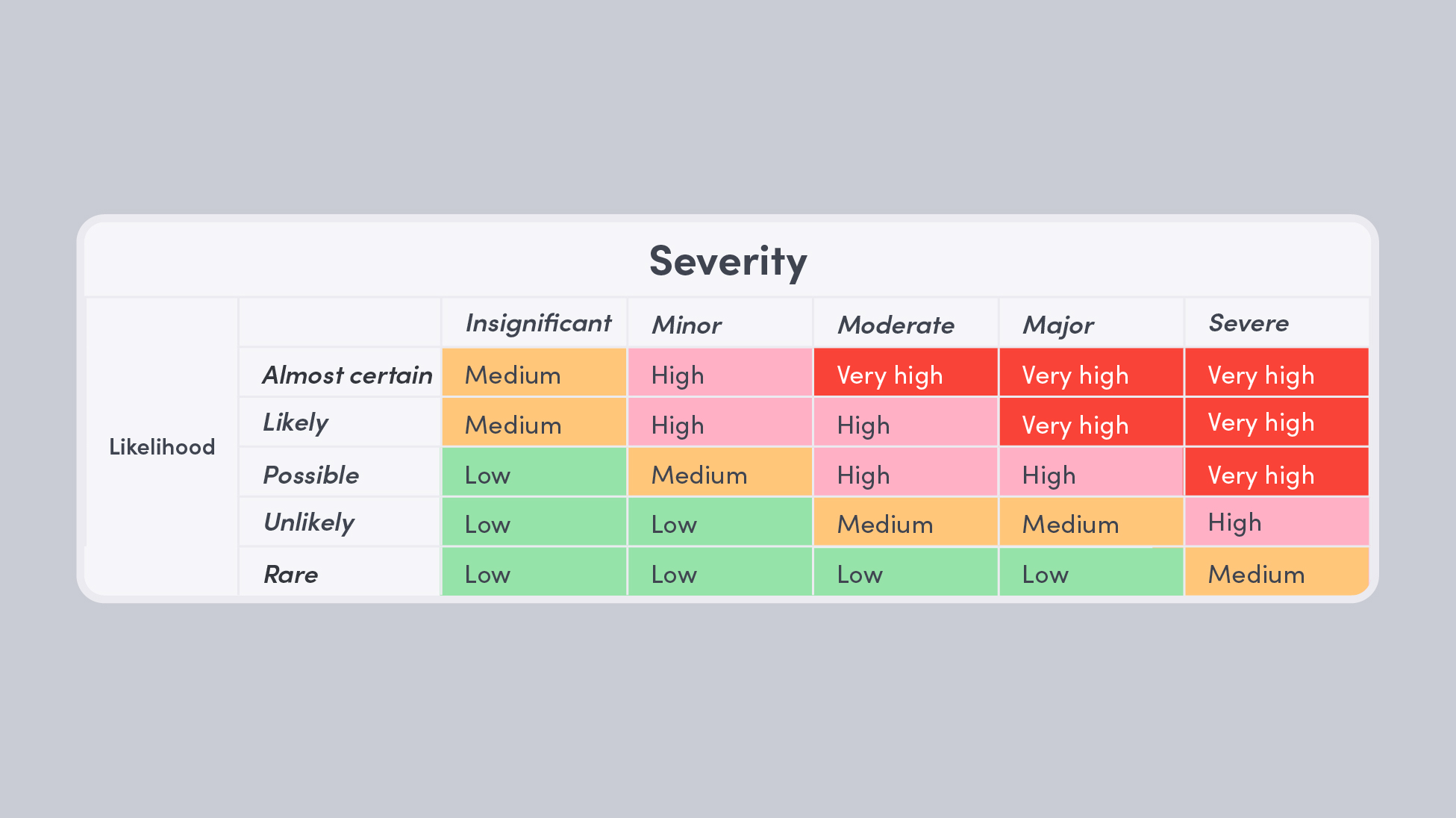
For a multi-site organization, this matrix is what makes risk comparable across locations. A “high” at your Denver warehouse and a “high” at your New York headquarters mean the same thing, even if the underlying risks look nothing alike. This is what lets you build a single, enterprise-wide priority list instead of reconciling multiple separate ones.
{{protip-2}}
Risk categories to assess at every site: people, process, systems, external events
Most operational risks fall into one of four categories. Checking each one at every location separates an enterprise assessment from a headquarters-only checklist.
- People. Staffing gaps, training inconsistencies, and unclear accountability during an incident. Knowledge that doesn’t travel as site managers turn over. For example, a regional office loses its safety-trained front desk lead, and no one there knows the evacuation headcount process.
- Process. Manual workflows and procedures that only work if one specific person remembers to run them, and often break as sites scale. For example, one site uses a paper visitor log while another uses a spreadsheet. Neither gives security a real-time, enterprise-wide headcount.
- Systems. Disconnected tools and platforms with no failover plan, a gap that grows with every added location and integration. For example, your access control and emergency notification systems don’t talk to each other, so a badge deactivation triggers no alert to security.
- External events. Weather, infrastructure failures, civil unrest, and other disruptions that hit some locations and not others. For example, a winter storm closes three offices, but without location-level monitoring, the response team finds out only once employees are already trying to commute in.
That last category, in particular, is where a lot of multi-site organizations feel the most exposed—it’s hard to have real-time visibility into every location’s threat picture without the right systems tying it together. If you want to hear how top security leaders are approaching this, our webinar on closing the gaps between people, access, and emergency systems is worth a watch.
—
A one-time risk assessment is a snapshot. What actually reduces risk is treating it as a recurring program, reassessing as sites, vendors, and threats change, and keeping a live view of your highest-priority risks across the whole portfolio. That gets harder to manage with spreadsheets and standalone tools as the number of sites grows.
Curious how Envoy supports emergency management across every location? Learn more on our website.
Want a deeper look at building resilience across your emergency planning, not just the assessment side? Our workplace emergency planning guide is a good next read.
Want to skip building this from scratch? We put together a free, downloadable operational risk assessment template that includes this matrix along with a ready-to-use inventory worksheet and action plan.
Read more

Compare leading mass notification vendors, their best-fit use cases, and key tradeoffs. Learn what to evaluate before choosing a system.
New Envoy research reveals where physical security gaps emerge and whether organizations can prove their controls are working.
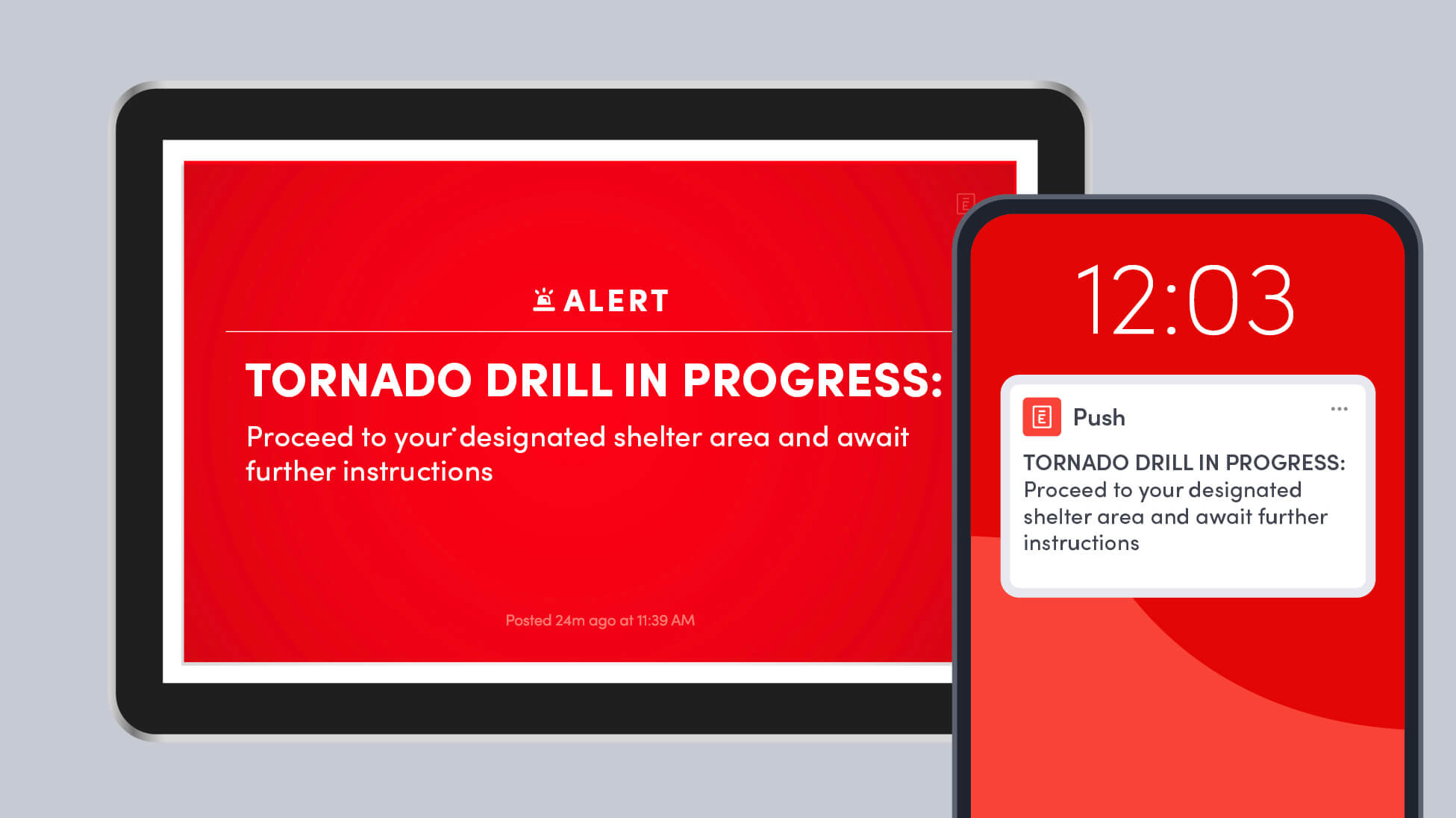
Learn how to run a workplace tornado drill, choose safer shelter areas, account for everyone onsite, and improve your emergency response plan.
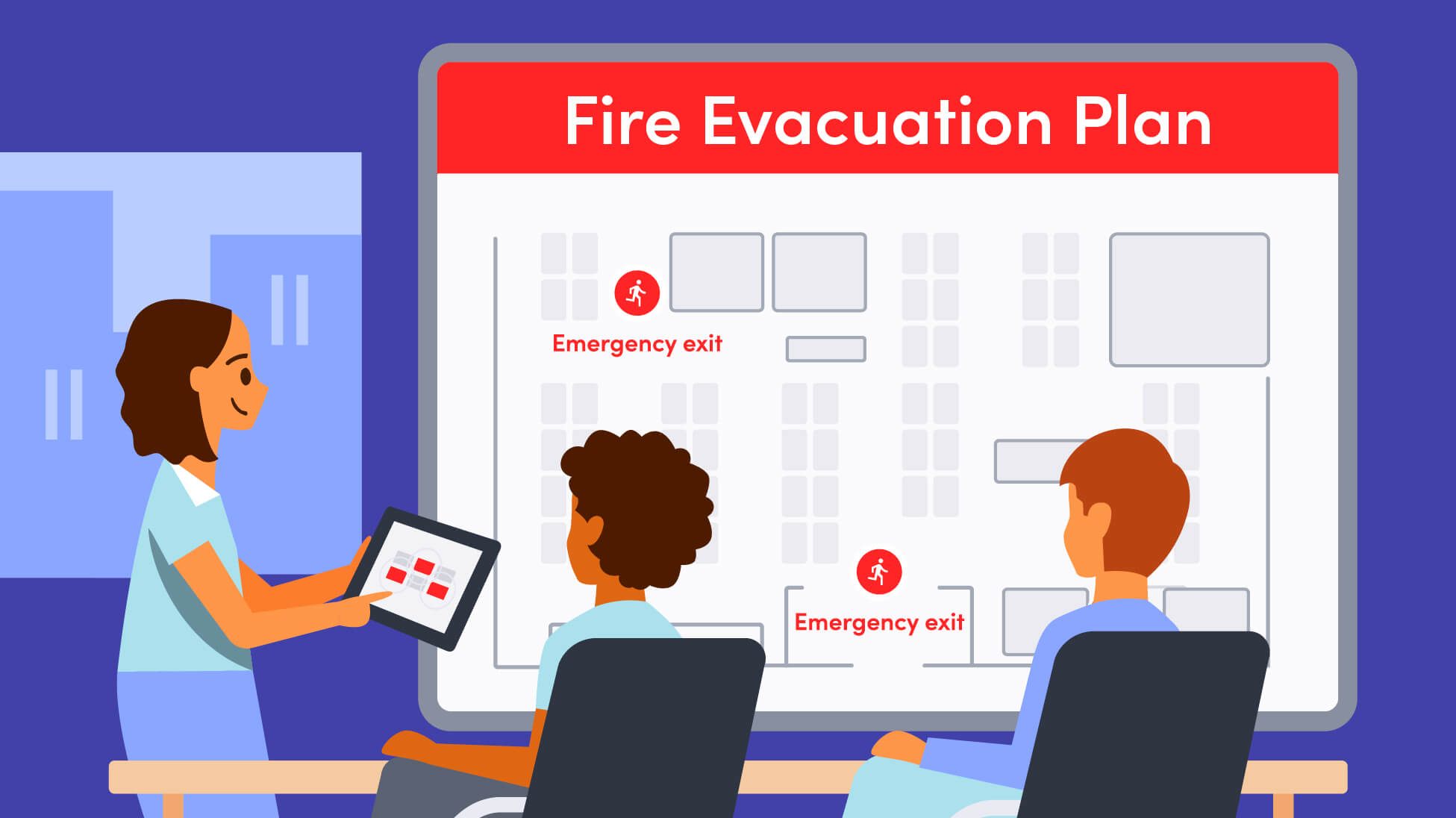
A strong fire evacuation plan goes beyond exit routes. Here’s how to plan for alerts, muster points, accountability, response roles, accessibility, and everyone who may be onsite.
This guide breaks down the key response roles every workplace should define, from incident leads and wardens to communications, accountability, and backup coverage.
Active shooter drills should build preparedness without creating unnecessary fear. Here’s how to test communication, decision-making, accountability, and response roles with a safer, more thoughtful exercise.