

40 workplace safety topics for meetings (+ discussion prompts)


Studies show that people are more likely to remember what they’ve heard multiple times than what they learned once. That’s why regular safety meetings are so critical. They help employees stay aware of risks, discuss emerging threats, reinforce response procedures, and build confidence when unexpected situations arise.
Below, we’ve compiled 40 workplace safety meeting topics, along with discussion prompts to help teams build safer habits and stronger emergency preparedness.
Emergency preparedness topics
These topics help employees understand what to do before an incident happens so they can respond faster and with more confidence when it does.
1. Emergency evacuation procedures
Evacuations move faster when expectations are clear. Review exit routes, assembly areas, accountability procedures, and any workplace changes that could affect evacuation plans.
Discussion prompts:
- Do employees know their nearest exit routes?
- How are visitors and contractors accounted for?
- Who is responsible for headcounts?
2. Shelter-in-place procedures
Some emergencies are safer to ride out inside the building than outside it. Review when shelter-in-place procedures are used, where employees should go, and how updates are communicated.
Discussion prompts:
- What events trigger a shelter-in-place order?
- Where are designated shelter locations?
- How are updates communicated during the event?
3. Severe weather preparedness
Severe weather can escalate quickly. Review the threats most relevant to your locations and the actions employees may need to take before, during, and after an event.
Discussion prompts:
- What weather threats are most relevant to our locations?
- How are employees notified of changing conditions?
- When do operations shift to remote work?
4. Active threat response
During an active threat, clear guidance matters more than perfect information. Review how emergency instructions are delivered and what response options may be available.
Discussion prompts:
- How would employees receive emergency instructions?
- What response options are available during an active threat?
- Where can employees find emergency resources?
5. Business continuity awareness
Most employees don't think about business continuity until something disrupts normal operations. This topic helps connect everyday responsibilities to the plans that keep work moving during an outage, closure, or emergency.
Discussion prompts:
- Would employees know what to do if their normal workplace became unavailable?
- Which tasks are most important to keep operations running?
- Where can employees find continuity procedures or updates?
6. Emergency communications
During a crisis, teams need to quickly understand what’s happening, who may be affected, and how to respond. Review how threats are identified, how employees receive trusted updates, and how your organization coordinates communication and response as the situation develops.
Discussion prompts:
- How are potential threats identified and escalated?
- How would employees receive emergency alerts and instructions?
- Do employees know which communication channels to trust during an incident?
- How does your team know who may be onsite or affected?
- Where should employees look for the latest information as the response unfolds?
7. Crisis decision-making and escalation
Not every emergency is straightforward, so help employees understand how decisions are made during fast-moving situations and when issues should be escalated.
Discussion prompts:
- Have employees signed up for emergency alerts and verified their contact information?
- Would employees recognize an official emergency notification if they received one?
- What should employees do after receiving an emergency alert?
8. Building lockdown procedures
Lockdowns can be confusing if employees haven't discussed them beforehand. Review what a lockdown means, how notifications are delivered, and what actions may be required.
Discussion prompts:
- Would employees recognize a lockdown notification?
- What should employees do during a lockdown?
- How can employees help keep themselves and others safe?
9. Emergency roles and responsibilities
Emergency response runs more smoothly when everyone knows their role. Review who employees can turn to for information, assistance, and guidance during an incident.
Discussion prompts:
- What role, if any, do employees play during an emergency?
- Who should employees contact if they need help or information?
- Do employees know who their floor warden or emergency contact is?
10. Employee accountability and reunification
One of the first questions during an emergency is whether everyone is safe. Help employees understand accountability procedures and how reunification works after an evacuation or site closure.
Discussion prompts:
- How should employees report that they’re safe after an evacuation?
- Where should employees go after leaving the building?
- How will employees receive reunification instructions?
{{protip-1}}
Workplace security topics
These topics help employees understand their role in maintaining a safe, controlled environment, and give them the confidence to act when they suspect a security issue.
11. Visitor awareness and workplace access
Visitor procedures help protect employees, guests, and facilities. Reviewing them regularly helps everyone understand what to expect and what to do when something seems off.
Discussion prompts:
- Why do visitor procedures matter?
- What should employees do if they encounter an unbadged visitor?
- How are deliveries and contractors managed?
12. Tailgating and unauthorized access
One of the most common security risks is also one of the easiest to overlook. Employees should understand why access controls exist and how to address situations where someone bypasses them.
Discussion prompts:
- Would employees challenge someone entering behind them?
- What barriers prevent unauthorized access?
- Are employees aware of reporting procedures?
13. Workplace violence prevention
Recognizing warning signs early can help prevent escalation. Be sure to reinforce reporting procedures and available support resources.
Discussion prompts:
- What behaviors should employees report?
- What support resources are available?
- Who receives reports?
14. Suspicious activity reporting
Employees sometimes notice problems before systems do, so encouraging reporting helps organizations identify and address concerns earlier.
Discussion prompts:
- What types of activity should be reported?
- Who should reports go to?
- How quickly should concerns be escalated?
15. Civil unrest and local disruptions
Events outside the workplace can quickly affect workplace operations. Teams should understand how external events are monitored and when response plans are activated.
Discussion prompts:
- How could local events affect employee commutes or workplace access?
- How would employees be notified if workplace operations change?
- What should employees do if they feel unsafe traveling to or from work?
16. Contractor and vendor security
Contractors and vendors often require access to facilities, systems, or sensitive areas. Employees should know how third-party access works and when to raise concerns about unusual or unauthorized activity.
Discussion prompts:
- What should employees do if they encounter a contractor without proper credentials?
- When should employees escort visitors or vendors?
- Who should employees contact with security concerns?
17. Access badge security
A lost or shared access badge can create security gaps that are easy to overlook. Review reporting procedures and reinforce expectations around badge use.
Discussion prompts:
- How are lost badges reported?
- Are employees displaying badges properly?
- What risks come with badge sharing?
18. Protecting sensitive workplace information
Sensitive information can be exposed through everyday workplace habits. Reviewing common risks helps reinforce good security practices both inside and outside the office.
Discussion prompts:
- What types of information should never be left unattended?
- What risks exist when discussing work in public or shared spaces?
- How should sensitive documents be handled or disposed of?
19. Package and mail screening awareness
Unexpected deliveries or suspicious packages can create safety and security concerns. Employees should know how to recognize potential warning signs and escalate concerns appropriately.
Discussion prompts:
- What signs could indicate a suspicious package?
- What should employees do if they encounter one?
- Who should be notified?
20. Security culture and employee vigilance
Security is everyone’s responsibility, not just your security team’s. Encouraging employees to speak up when something doesn't seem right can help address problems before they escalate.
Discussion prompts:
- What types of situations should employees report?
- Do employees feel comfortable raising concerns?
- What can everyone do to help create a safer workplace?
Physical safety topics
These topics are especially important for teams in industrial, warehouse, or mixed-use environments, but apply broadly.
21. Slips, trips, and falls
Slips, trips, and falls remain one of the most common workplace injuries. To prevent them from happening, review common hazards with employees to help them identify risks before incidents occur.
Discussion prompts:
- What hazards are commonly overlooked?
- How should hazards be reported?
- Are response procedures clear?
22. Ergonomics and workstation setup
Small adjustments to workstation setup can prevent discomfort and long-term injuries. Review ergonomic best practices for both office and remote work environments.
Discussion prompts:
- Are workstations properly configured?
- Do employees know ergonomic best practices?
- Are remote workers included?
23. Safe lifting techniques
Improper lifting causes preventable injuries every year, especially in factory and warehouse settings. Reviewing lifting practices helps employees recognize when to use equipment or ask for assistance.
Discussion prompts:
- Are employees lifting correctly?
- When should lifting equipment be used?
- Are risks being reported?
24. Personal protective equipment (PPE)
PPE is only effective when it’s used correctly, so communicate proper use, maintenance, and storage requirements.
Discussion prompts:
- Is required PPE clearly defined?
- Do employees understand proper use?
- Are supplies readily available?
25. Electrical safety
Damaged equipment, overloaded outlets, and unsafe workarounds can create serious hazards. Review how to spot common electrical risks and what to do when one is found.
Discussion prompts:
- Are damaged cords being reported?
- Are power strips being used properly?
- What should employees do during an electrical emergency?
26. Fire safety and extinguisher awareness
Fire response procedures should be reviewed regularly, even in low-risk environments. Employees should know evacuation procedures and understand when fire extinguishers can be used safely.
Discussion prompts:
- Do employees know evacuation procedures?
- Where are extinguishers located?
- When should employees evacuate versus intervene?
27. Housekeeping and hazard reporting
If your workspace is cluttered or has unresolved hazards, workplace injuries are more likely to occur. Regular discussions help reinforce reporting expectations.
Discussion prompts:
- What housekeeping issues are most common?
- How are hazards reported?
- Are corrective actions communicated?
28. Ladder and elevated work safety
Falls from height are a serious workplace risk, so ensure employees understand proper equipment use and when additional precautions are required.
Discussion prompts:
- Are ladders being inspected regularly?
- Do employees know proper setup procedures?
- When is fall protection required?
Health and wellbeing topics
These topics address the human factors that underlie many workplace safety failures.
29. Mental health and psychological safety
People are more likely to report concerns, ask questions, and follow procedures when they feel supported at work. That's why psychological safety is an important part of workplace safety.
Discussion prompts:
- Are employees aware of support resources?
- How can managers recognize signs of burnout?
- What creates a psychologically safe workplace?
30. Fatigue and burnout
Exhausted employees make more mistakes, and understanding early signs of burnout can help reduce physical safety risk as well as risk to your operations.
Discussion prompts:
- What signs of fatigue are most common?
- How can workloads be adjusted?
- What support is available?
31. Stress management during emergencies
Stress affects decision-making and communication, discussing common reactions can help employees respond more effectively during high-pressure situations.
Discussion prompts:
- How do people typically react under pressure?
- What coping strategies are effective?
- What support systems exist?
32. First aid awareness
When someone needs first aid, every minute counts. Regular reviews help ensure employees know where supplies are located and who to contact for assistance.
Discussion prompts:
- Where are first aid kits located?
- Who is trained in first aid?
- What is the reporting process after an injury?
33. Illness prevention and workplace hygiene
Simple hygiene practices can help reduce the spread of illness and keep teams healthier throughout the year, so communicate expectations and available resources.
Discussion prompts:
- What hygiene practices are most important?
- What should employees do if they become ill?
- Are supplies readily available?
34. Heat stress and cold weather safety
Extreme temperatures can create safety risks both indoors and outdoors, so it’s important that employees understand warning signs and prevention measures.
Discussion prompts:
- What symptoms should employees watch for?
- How can risks be reduced?
- What response procedures are in place?
Multi-site and emerging risk topics
These topics address the coordination challenges, visibility gaps, and emerging threats that organizations with multiple locations need to discuss regularly, not just when something goes wrong.
35. Location-specific risks
Every facility faces different threats. Reviewing local risks helps ensure plans reflect operational reality.
Discussion prompts:
- What risks are most relevant to this location?
- Would employees know what to do if one of those events occurred?
- Where can employees find location-specific emergency information?
36. Coordinating across multiple locations
A disruption rarely stays isolated to one site. Teams should understand how information and decisions flow across locations.
Discussion prompts:
- How might an incident at another location affect employees here?
- How are updates shared across locations?
- Do employees know where to find company-wide emergency information?
37. Occupancy awareness during emergencies
Emergency response is easier when organizations know who’s onsite. This topic helps reinforce the role employees play in keeping occupancy and visitor information accurate.
Discussion prompts:
- Why is it important to know who is onsite during an emergency?
- What should employees do when hosting visitors?
- How can employees help ensure accountability information is accurate?
38. Tabletop exercises and drills
Emergency procedures are easier to follow when employees have practiced them. Use this topic to revisit recent drills, answer questions, and clarify areas of uncertainty.
Discussion prompts:
- Has the team participated in a drill or exercise recently?
- What lessons stood out?
- Are there procedures employees would like more clarity on?
39. Lessons learned from recent incidents
Real-world examples often create the most productive safety discussions. Reviewing incidents and near misses helps teams identify opportunities for improvement.
Discussion prompts:
- What happened?
- What can employees learn from it?
- Have any procedures changed as a result?
40. Maintaining situational awareness across locations
Risks don't always stay contained to one location. Discuss how emerging threats are monitored, communicated, and shared across sites so employees know what information matters and where to find it.
Discussion prompts:
- How do employees stay informed about potential disruptions?
- What types of events should employees pay attention to?
- Where should employees look for updates during developing situations?
{{protip-2}}
—
Focusing your safety meeting conversations on something specific and relevant will go a long way toward developing your organization’s emergency preparedness. Cover one or two topics with enough depth for real discussion and connect safety content to the risks employees are actually facing right now, rather than generic hazards from a compliance checklist.
Ready to turn safety conversations into faster, more coordinated emergency response? Learn more about Envoy for emergency management.
Use the Workplace emergency planning guide to build and maintain emergency plans that hold up in an actual crisis.
See how security leaders are improving coordination and emergency response across multiple sites. Watch our People, access, and emergencies webinar.
Read more

In this guide, we’ll break down how cloud digital signage works, how it compares with on-premise signage, cost factors, and what to look for in a solution.

Learn how to support ITAR compliance with visitor screening, access approvals, onsite controls, and records that document each visit.

Compare leading mass notification vendors, their best-fit use cases, and key tradeoffs. Learn what to evaluate before choosing a system.

New Envoy research reveals where physical security gaps emerge and whether organizations can prove their controls are working.
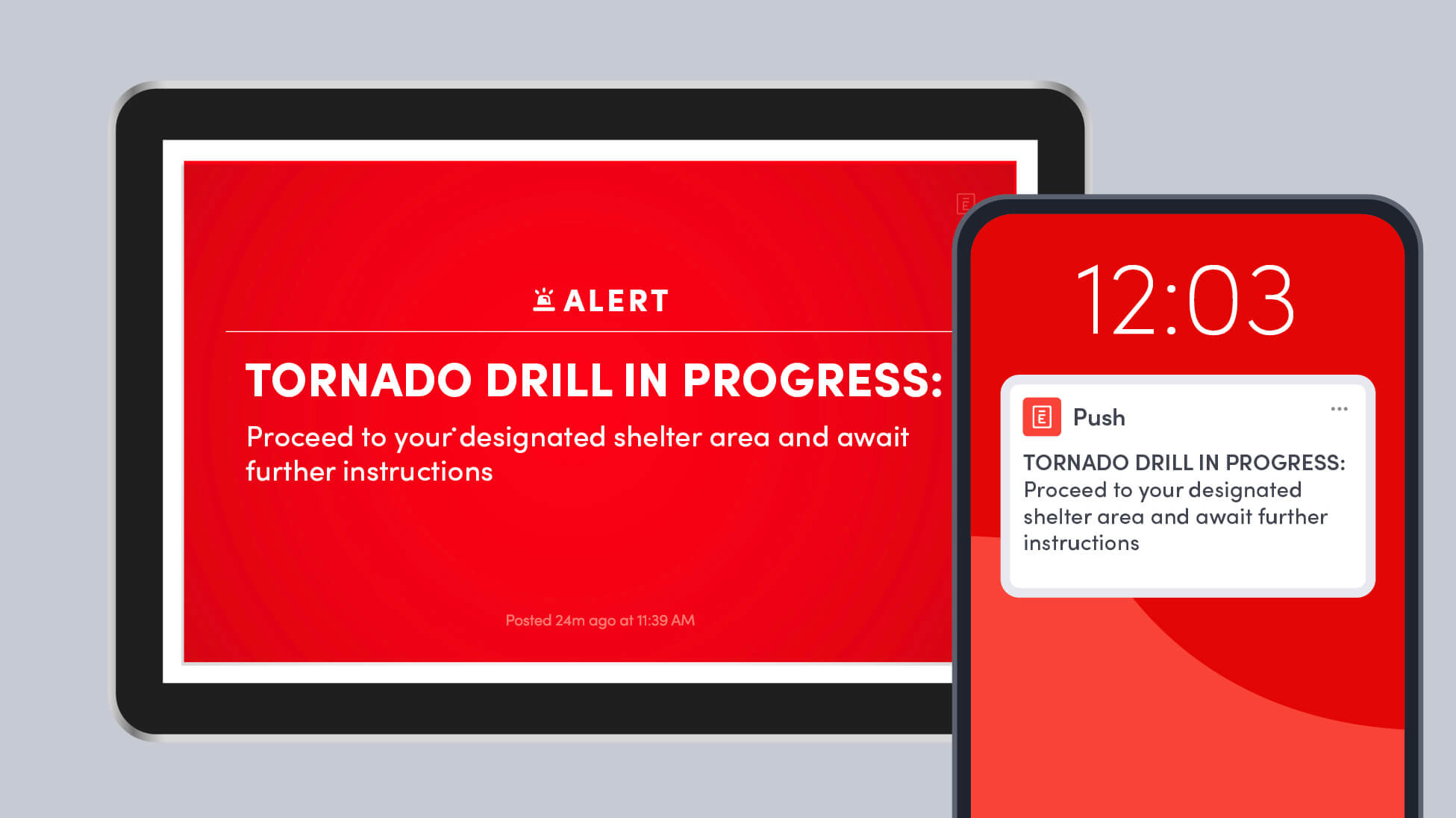
Learn how to run a workplace tornado drill, choose safer shelter areas, account for everyone onsite, and improve your emergency response plan.
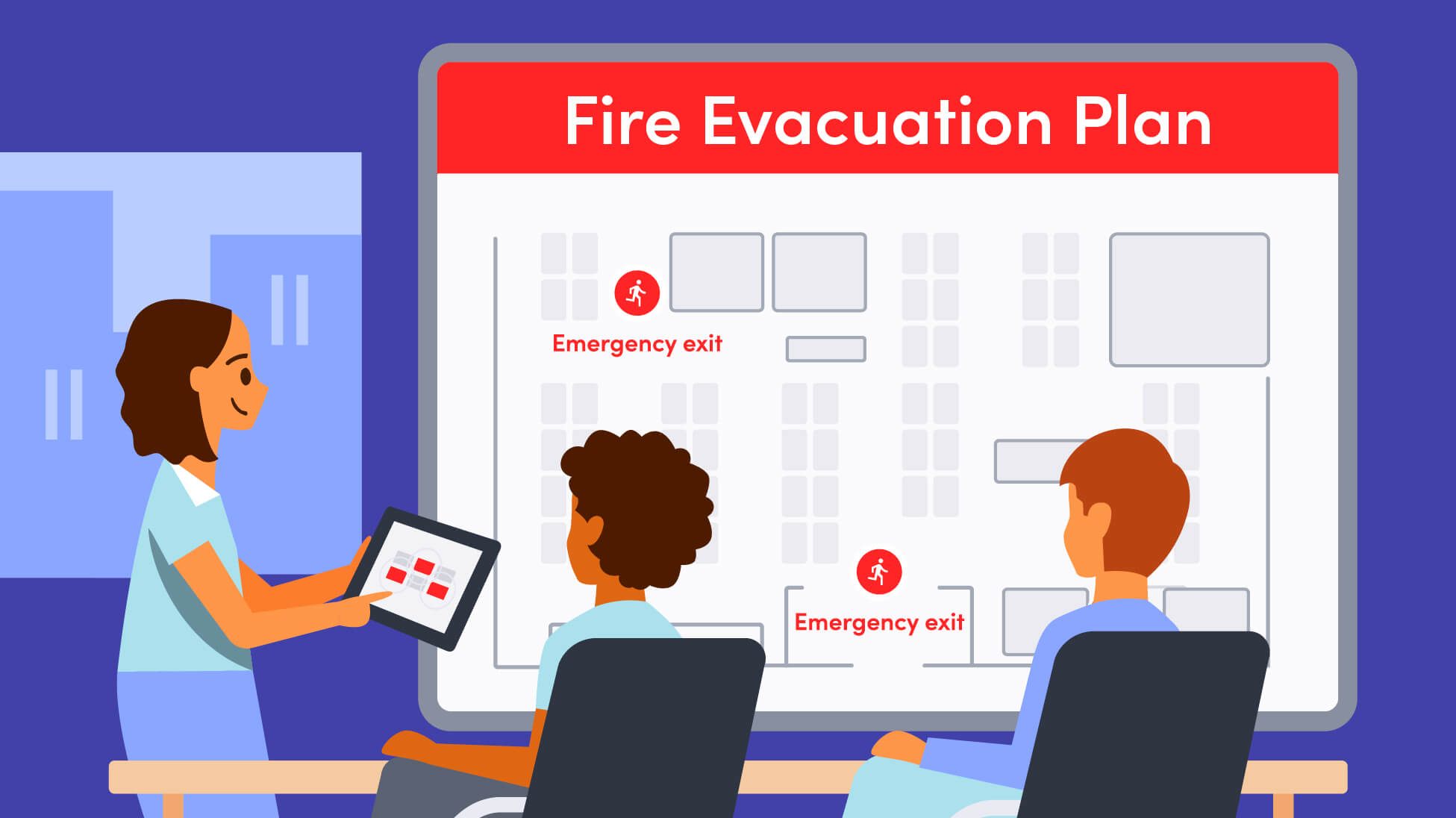
A strong fire evacuation plan goes beyond exit routes. Here’s how to plan for alerts, muster points, accountability, response roles, accessibility, and everyone who may be onsite.