

What is crisis management? A practical guide for security and workplace leaders

One moment operations are normal, and the next, you’re managing an evacuation, a data breach, or a severe weather event. What separates organizations that respond well from those that don’t is preparation and the systems they’ve built before anything goes wrong.
Below, we’ll go over the crisis management definition, how it differs from incident response and business continuity, the types of crises teams should plan for, and how to build and run a practical crisis management plan.
What is crisis management?
Crisis management is how an organization prepares for, responds to, and recovers from serious disruptions that threaten its people, operations, or reputation. Effective crisis management relies on having clear plans, defined responsibilities, reliable communication, and operational systems already in place before a crisis happens.
How does crisis management differ from incident response and business continuity planning?
These three terms often get used interchangeably. While they’re related, they have a few key differences.
- Crisis management is the strategy. It covers the full lifecycle of a critical event (from early detection through recovery) and coordinates across teams, locations, and stakeholders.
- Incident response is the reaction. It typically refers to the immediate, tactical actions taken to contain a specific event. Think of it as a component of crisis management.
- Business continuity planning is the recovery. It focuses on keeping operations running during and after a disruption, asking: what do we need to maintain critical functions if our systems, facilities, or people are unavailable?
All three need to work together, but they serve different purposes and require different plans.
What types of crises should security teams prepare for?
No two organizations face the same risk profile, but most security and workplace teams need plans that address the following categories of crisis.
Natural disasters
Hurricanes, wildfires, earthquakes, and severe winter storms don’t discriminate by industry. For multi-site organizations, the challenge is managing simultaneous exposure across locations in different geographies, often with different risk profiles and different regulatory environments.
Workplace violence
According to OSHA, nearly 2 million workers report being victims of workplace violence each year in the US alone. Workplace violence often starts with a warning sign that wasn’t logged, an escalation path that wasn’t followed, or an access credential that wasn’t revoked after a termination. Organizations that manage this well treat it as a process problem before it becomes a safety problem.
Cyber incidents
When attackers compromise a managed service provider or a core identity system, the impact can spread across multiple downstream organizations, disrupting business applications and critical operational systems.
In environments where physical security tools rely on shared identity, networking, or cloud infrastructure, a cyber incident can quickly become a broader operational and safety issue—especially when teams don’t have a unified view of what’s affected and where action is needed.
Civil unrest
Protests, demonstrations, and localized unrest can affect employee safety, building access, and business continuity with very little warning. For organizations in dense urban areas or near politically sensitive locations, civil unrest has become a routine planning consideration and not an edge case.
Public health events
Public health crises can affect workforce availability, building access policies, and business continuity across every location at once. For organizations with multiple locations, managing evolving guidance, operational disruption, and long-term response coordination across different jurisdictions becomes daunting.
Infrastructure and utility failures
Power outages, water disruptions, gas leaks, and building system failures are some of the most common operational crises organizations face. Even a localized infrastructure issue can disrupt access control, emergency communications, and visibility across multiple facilities simultaneously.
{{protip-1}}
How do you build a crisis management plan?
1. Prioritize the risks your teams are most likely to face
Identify the scenarios most likely to disrupt your people, operations, or facilities. For most organizations, this includes things like natural disasters, workplace violence, cyber incidents, civil unrest, infrastructure failures, and public health events.
You don’t need to plan for every possible scenario. Focus on the events that would create meaningful operational disruption, safety concerns, or communication challenges across your organization.
This step should also account for how risk changes across locations. A downtown office may face very different threats than a warehouse, manufacturing facility, or regional branch office. Multi-site organizations should look for overlapping risks, shared dependencies, and single points of failure that could affect multiple locations at the same time.
2. Decide who is responsible for what
A crisis management team is a group of people with defined roles, clear authority, and enough cross-functional coverage to make decisions quickly across every dimension of a crisis.
Most effective crisis teams include representation from security, operations, IT, HR, legal, and communications, with at least one executive sponsor who can authorize major decisions without delay. Each member should own a specific domain, not just be available.
A few things that separate functional teams from ones that struggle:
- Defined roles, not just assignments. Everyone on the team should know what they’re responsible for before a crisis happens.
- A designated crisis lead. Someone needs to be accountable for coordinating the overall response, managing communication, and making calls when information is incomplete. This person needs to be empowered to act, not just facilitate.
- Coverage across locations. For multi-site organizations, crisis teams need local contacts at each facility who understand site-specific risks and can execute response plans on the ground. A centralized team alone can’t see or manage what’s happening across dozens of locations in real time.
3. Define how response actually works
Map out how a response will happen in practice. Account for the following:
- How alerts are triggered and sent
- How information moves between teams
- How decisions get escalated
This is where many plans break down. If systems are disconnected or responsibilities are unclear, teams lose time trying to confirm information, coordinate updates, or determine who owns the next step. The simpler and more operationalized the response structure is, the easier it is for teams to act quickly under pressure.
4. Keep the plan aligned to reality
A crisis plan only works if it reflects how your organization actually operates today. To keep it current, update it whenever headcount changes, offices open or close, vendors shift, or critical systems evolve.
Plans should also be reviewed after drills, exercises, and real incidents to identify gaps that weren’t obvious on paper. Outdated plans fail in predictable ways: missing people, wrong contacts, unclear ownership, and assumptions that no longer reflect how the organization actually works.
What makes a crisis management plan actually work?
- Tied to live data, not static documents. During a crisis, teams are relying on accurate headcounts, current employee building locations, and up-to-date visitor information to make decisions in real time. If that information is outdated or lives in separate systems, teams lose time manually verifying basic facts instead of coordinating response.
- Accounts for multi-site complexity. A crisis at one location doesn’t stay there. Severe weather affecting your Austin office may simultaneously disrupt your supply chain, impact employees commuting to Chicago, and trigger regulatory notification requirements in three jurisdictions. Crisis management plans for multi-site organizations need a unified view of risk across every location, not a collection of separate site-level plans no one can see all at once.
- Integrated tools, not fragmented ones. When your emergency notification system doesn’t know who’s in the building, and your visitor management platform doesn’t connect to your access control system, you’re managing a crisis across different browser tabs and applications. The organizations that respond best have consolidated the signals, from threat feeds, occupancy data, and employee and visitor records to communication tools. This gives responders one clear place to work from.
- Clear ownership at every level. Every action in a crisis management plan needs a specific owner, not a team or a department. When responsibility is diffuse, decisions get delayed and tasks fall through the gaps between ownership boundaries.
{{protip-2}}
How do you test a crisis management plan?
A plan that hasn’t been tested is a hypothesis. Testing is what turns it into something you can rely on. Testing should happen regularly, and more frequently when your operations change significantly.
Tabletop exercises
Bring your crisis team together around a specific scenario (e.g., a severe weather event or an active threat near one of your facilities). Walk through the response step by step. Where does the plan hold up? Where do people hesitate, disagree, or discover they don’t have the information they need? Discovering these roadblocks now will help your response hold up in an actual event.
Scenario-based drills
Tabletop exercises test the plan on paper, but drills test it in practice. Run evacuation drills that reflect your actual current occupancy, including contractors and visitors. Send test notifications through your actual notification system and confirm that your headcount process works the way you think it does.
Single points of failure review
Every crisis plan has assumptions baked in. What happens if your primary notification system goes down? What if the crisis manager is unavailable? What if a key vendor is part of the incident itself? Systematically stress-testing those assumptions is how you find the gaps before an incident does.
Post-drill reviews
Every drill, exercise, or real incident should end with a structured debrief. What worked? What didn’t? What assumptions turned out to be wrong? The answers should help your team update the plan, strengthening it so it holds up better in an actual crisis.
—
The organizations that handle crises well are monitoring signals before they become incidents, maintaining plans that reflect operational reality, and building the kind of integrated infrastructure that lets them move fast without making things worse.
Ready to strengthen your organization’s crisis management and emergency response capabilities? Explore how Envoy helps organizations with emergency management.
Building your organization’s response plans? Check out our Workplace emergency action plan for a simple, actionable framework for emergency planning.
See how security leaders are closing the gaps between people, access, and emergency systems in our webinar with the Senior Physical Security Manager at the Chan Zuckerberg Initiative.
Read more
Compare leading mass notification vendors, their best-fit use cases, and key tradeoffs. Learn what to evaluate before choosing a system.
New Envoy research reveals where physical security gaps emerge and whether organizations can prove their controls are working.
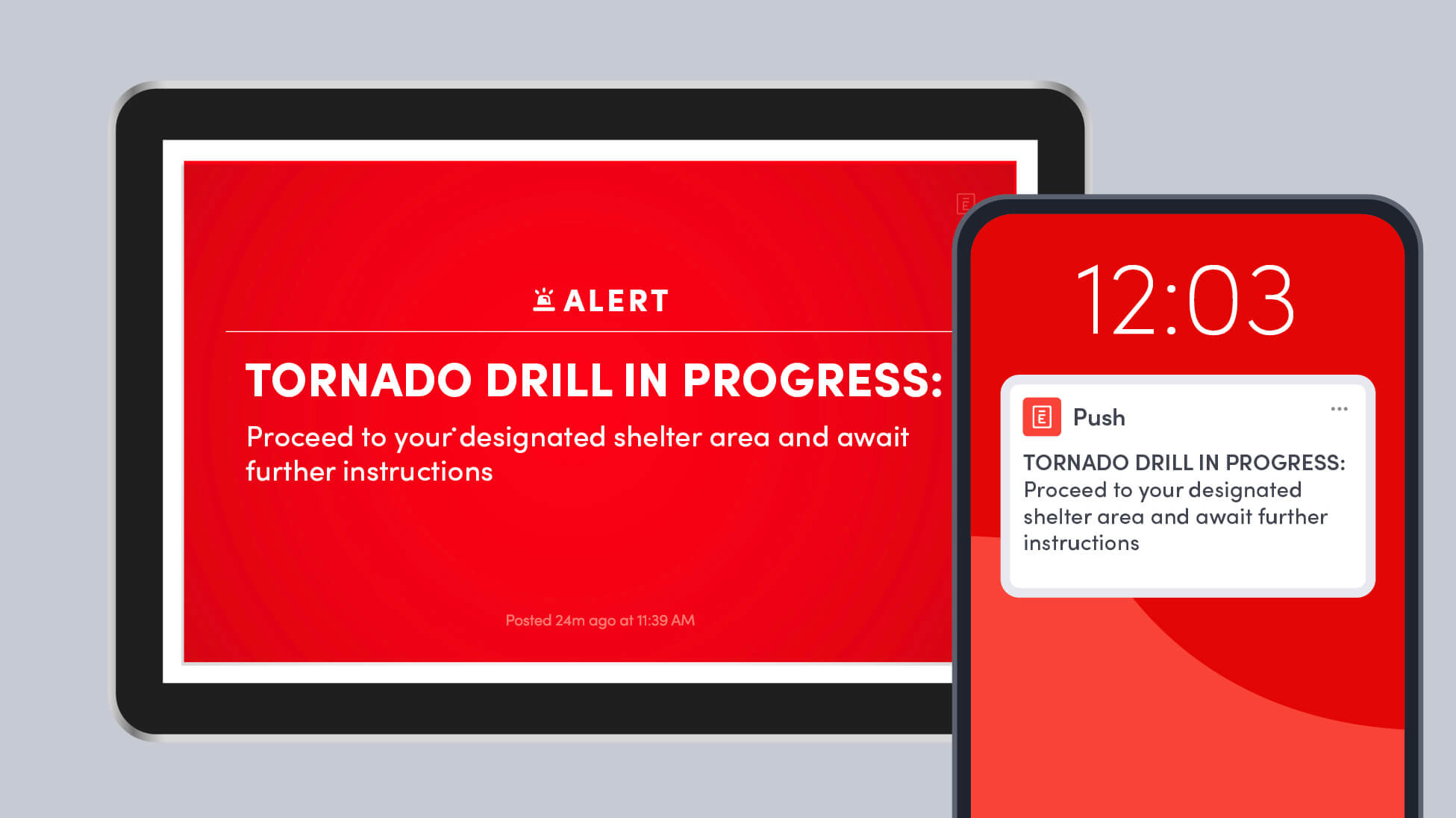
Learn how to run a workplace tornado drill, choose safer shelter areas, account for everyone onsite, and improve your emergency response plan.
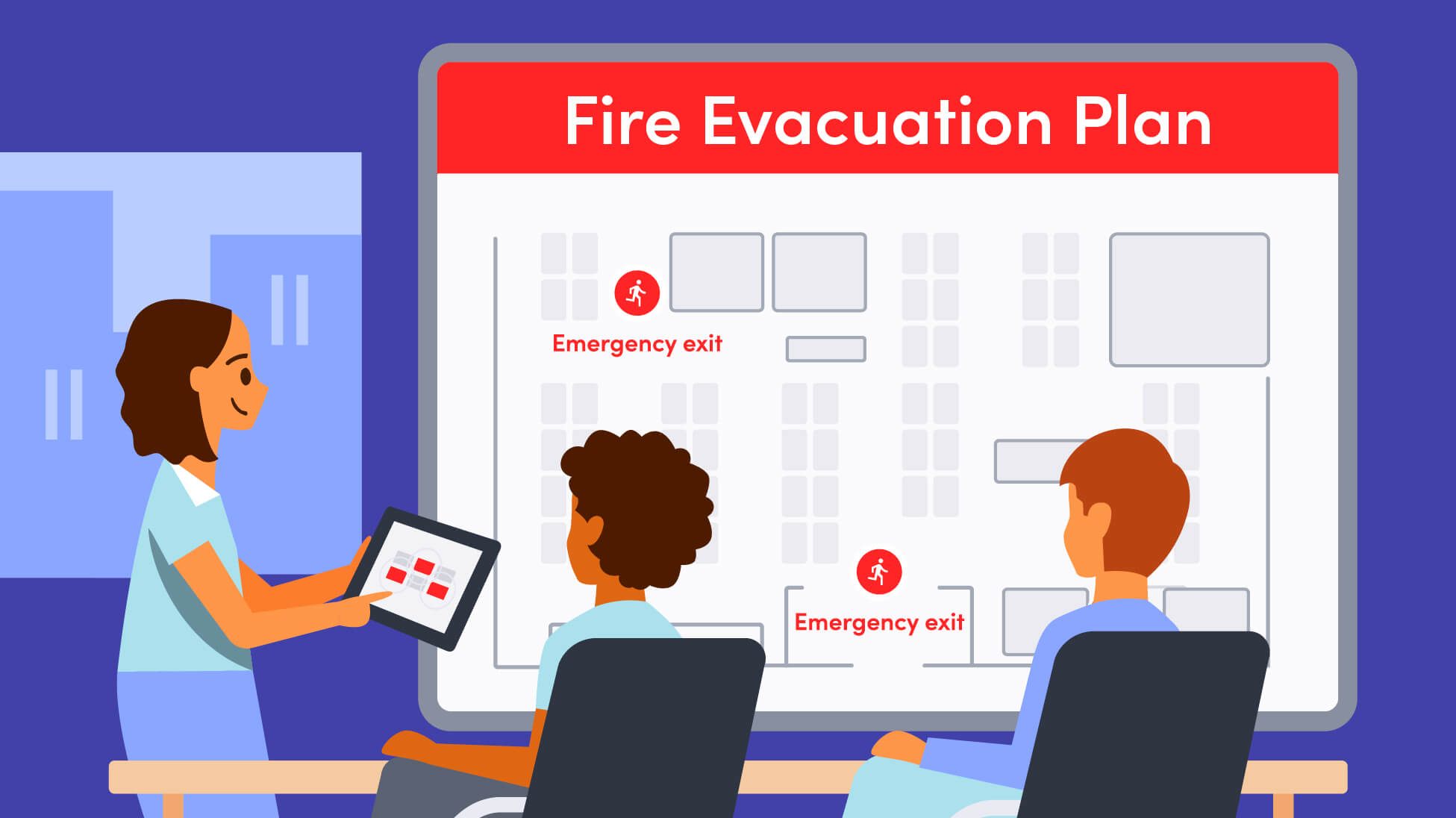
A strong fire evacuation plan goes beyond exit routes. Here’s how to plan for alerts, muster points, accountability, response roles, accessibility, and everyone who may be onsite.
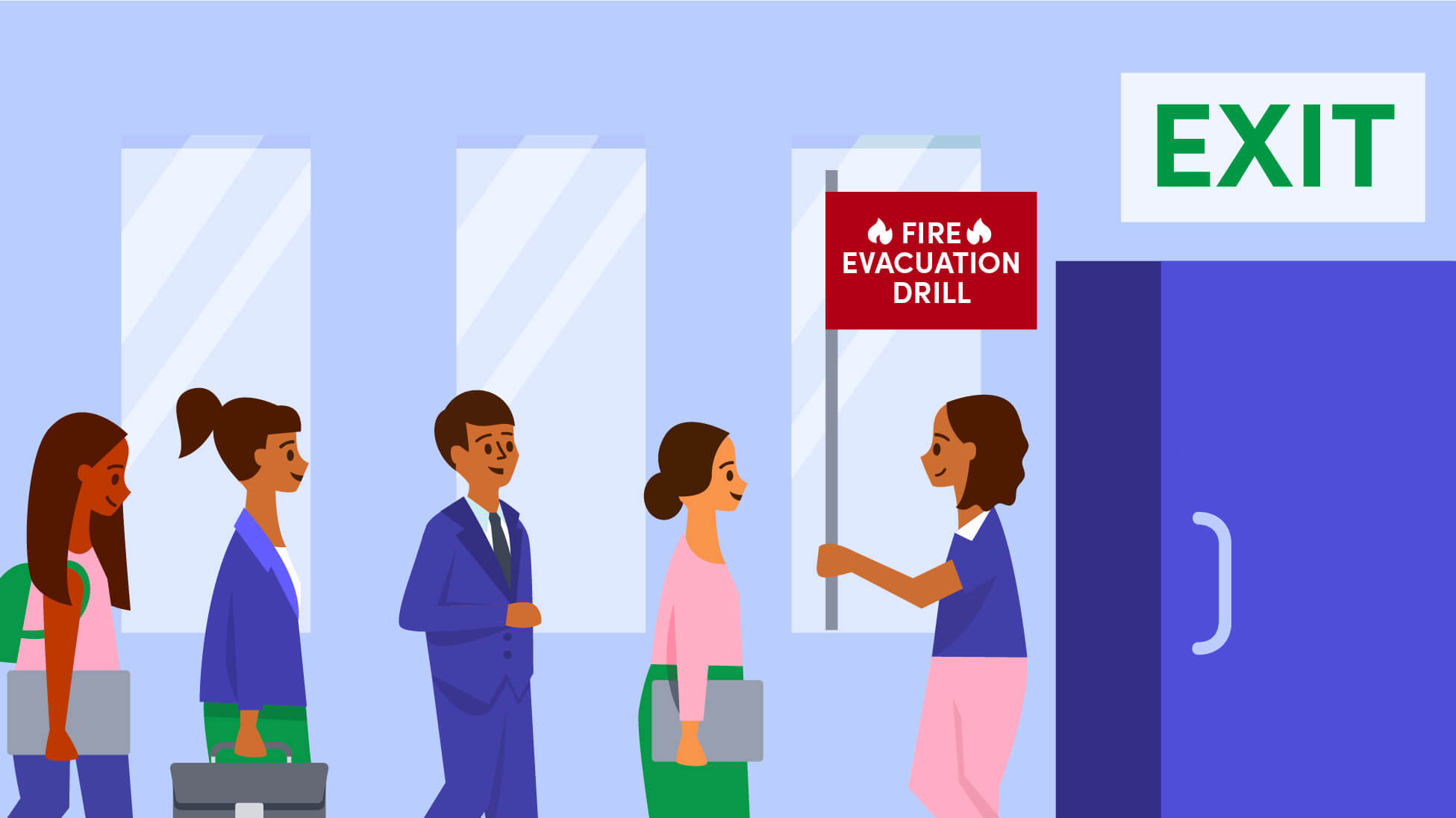
This guide breaks down the key response roles every workplace should define, from incident leads and wardens to communications, accountability, and backup coverage.
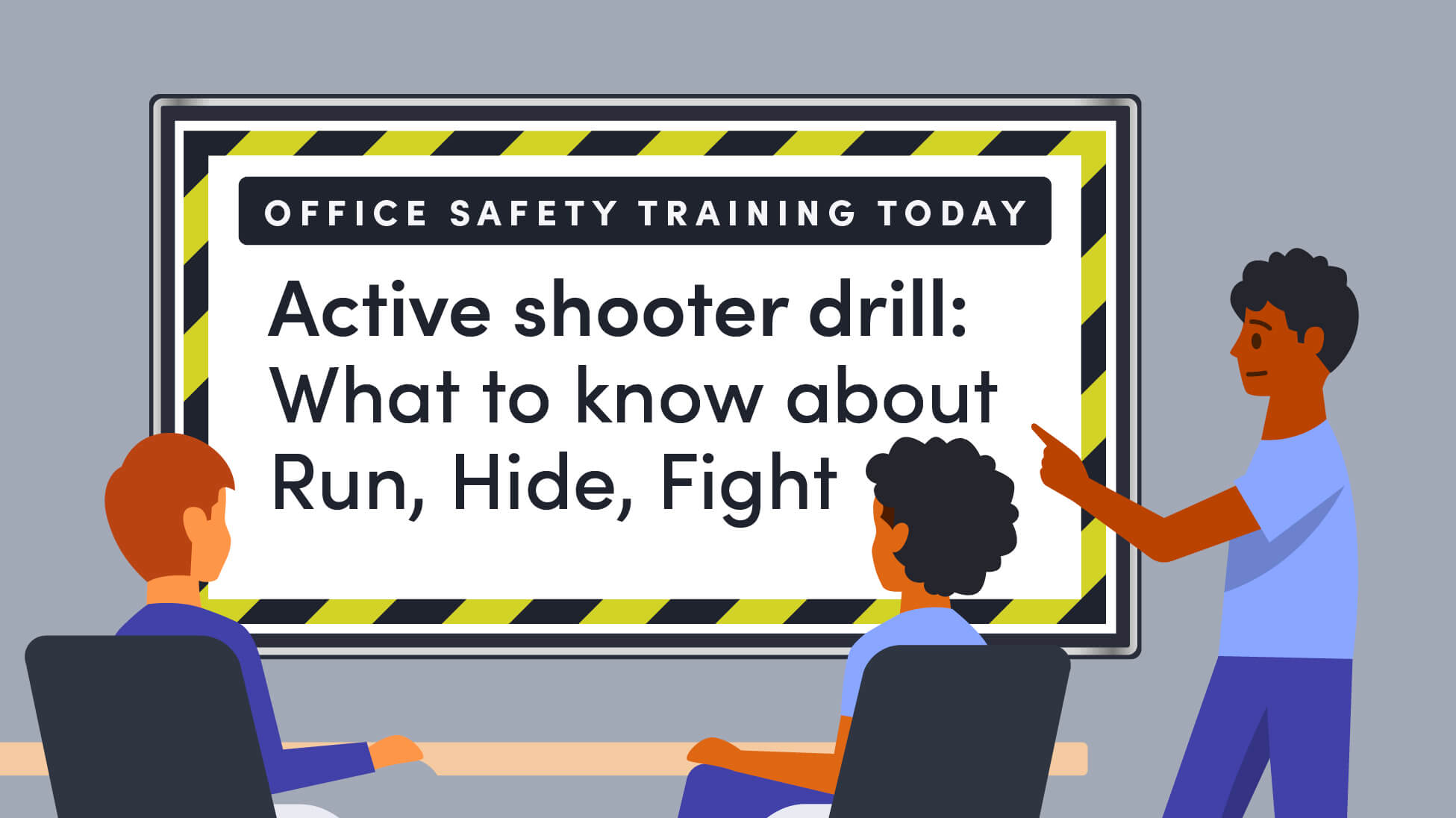
Active shooter drills should build preparedness without creating unnecessary fear. Here’s how to test communication, decision-making, accountability, and response roles with a safer, more thoughtful exercise.