

How to run a tornado drill at work: A practical guide

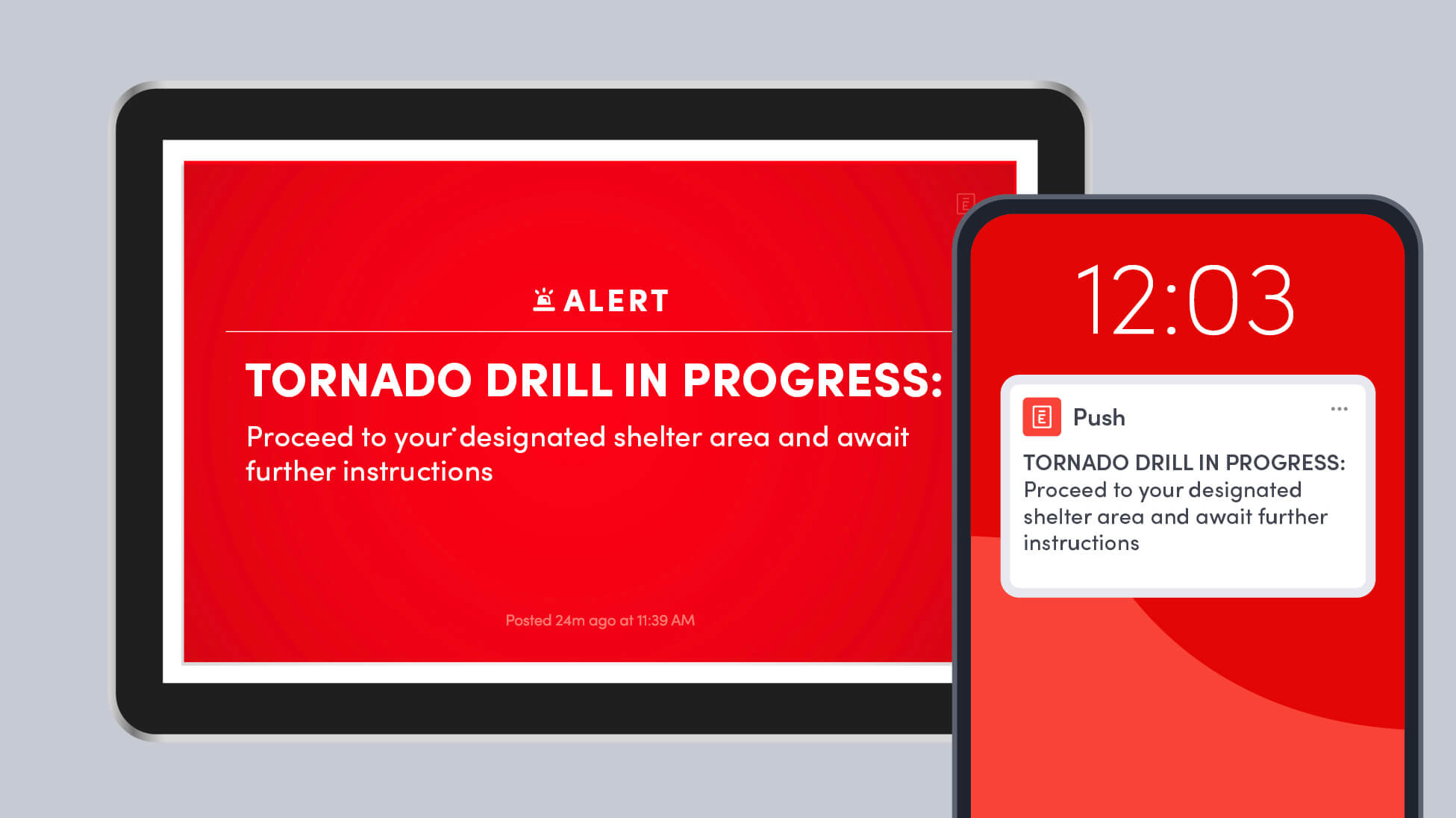
A tornado warning can turn an ordinary workday into a complicated logistics problem fast: people may be spread across floors or buildings, visitors may not know where to go, and response teams need to quickly account for everyone onsite.
That’s why tornado drills deserve their own playbook. Below, we’ll go over how to choose safe areas, set clear procedures, and practice the response with everyone onsite.
Tornado watch vs. warning: Know when to act
Your workplace tornado plan should make one distinction especially clear: a tornado watch and a tornado warning call for different actions.
The National Weather Service uses a simple shorthand: a watch means you should be prepared, while a warning means you should take action.
For a workplace drill, the simulated tornado warning is usually what starts the shelter procedure. Your employees and visitors should already know where to go before that message arrives.
How to choose tornado shelter areas at work
Choose shelter areas before severe weather hits. Use a FEMA-compliant safe room or storm shelter if your workplace has one. Otherwise, OSHA recommends:
- Go low. Use a basement or other underground area when available.
- Move inward. If you can’t go underground, choose small interior rooms or hallways on the lowest floor, away from windows, exterior walls, and doors.
- Avoid wide-span spaces. Cafeterias, auditoriums, gymnasiums, and similar areas may be more vulnerable during a tornado.
- Check capacity and access. Make sure shelters can hold the people likely to be onsite and that everyone can reach them quickly and safely.
- Plan by building. On multi-building campuses, designate shelter areas for each building so people don’t need to cross exposed outdoor areas once a warning is issued.
Set your emergency communication plan
Before a drill, decide how emergency instructions will reach people and who is responsible for sending updates, directing people to shelter, and confirming everyone is accounted for.
The incident management system you used to communicate should be able to reach people quickly across the channels they’re most likely to see. That can include digital signage (e.g., kiosks, tablets, and TVs) in high-traffic or frontline areas, where visible alerts can reinforce shelter instructions for people who may not have a phone nearby.
Make sure your plan covers everyone onsite, including visitors and contractors. OSHA recommends having a way to identify who’s in the building and account for workers and visitors in designated shelter areas. An up-to-date onsite roster can help you reach the right people as well as confirm who’s made it to safety and who may need assistance.
How to run a tornado drill at work
Once you’ve mapped out where people will shelter and how you’ll communicate, the drill should test the full process from start to finish.
- Send the drill notification. Start with a simulated tornado warning and clearly label the message as a drill. Deliver the alert through the channels your organization would use during a real incident. The message should tell people to move immediately to their designated tornado shelter.
- Move everyone to shelter. Employees, visitors, and contractors should follow the routes in your emergency plan. Designated response leads should watch for congestion, wrong turns, accessibility issues, or areas where people do not hear or see the alert.
- Account for people in the shelter. Once everyone has moved to safety, run a digital roll call to see who’s checked in, who’s still unaccounted for, and whether anyone needs help. This gives response teams a real-time view of who made it to shelter without relying on manual headcounts.
- Practice the hold procedure. Keep participants in shelter long enough to test what happens after the initial alert. Make sure teams can send updates, confirm who’s safe, and respond if someone needs help.
- Send a clear all-clear. End the drill with the same communication process you would use after a real warning. People should know that the drill has ended and when they have the official “all clear” to leave the shelter.
- Debrief and update the plan. Record how long it took people to reach shelter and complete roll call. Review missed alerts, bottlenecks, shelter capacity, visitor procedures, accessibility concerns, and any confusion about roles. Assign owners and deadlines to the changes you uncover.
A drill is most useful when you test more than movement. You want to know whether the whole response works when people, locations, communications, and accountability all have to come together.
{{protip-1}}
How often should workplaces conduct tornado drills?
OSHA recommends conducting tornado shelter drills at least once a year. Workplaces in higher-risk areas may choose to practice more often, especially after facility changes or when a drill reveals gaps in the plan. These lessons should also feed back into your broader emergency management program so procedures, communication plans, and response workflows stay current.
Be sure to schedule drills before your region’s higher-risk season so procedures are fresh when severe weather is more likely.
On that note, tornadoes can happen at any time of year, but risk shifts by location and season. NOAA notes that activity is generally higher in the Southeast earlier in the year, the central and southern Plains in spring and early summer, and the northern Plains and Midwest later in summer.
Rather than relying on a fixed idea of “Tornado Alley,” use local National Weather Service guidance to understand when tornado risk is highest for each workplace.
Stay ready for severe weather with Envoy Response
During a tornado warning, teams need to know who’s affected, how to reach them, and whether they’ve made it to shelter. Envoy Response brings those workflows together in one system.
- Spot threats near your people. Real-time threat intelligence helps teams identify severe weather near locations and remote employees, while AI scores signals for relevance and severity so teams can quickly understand what matters and who may be affected.
- Send targeted alerts. Use up-to-date location and presence data to reach the right employees, visitors, and contractors across multiple channels—whether it’s a mass notification or more targeted alerts. Then, use two-way chat to share updates, answer questions, and check in as the situation unfolds.
- Track who’s safe. People can mark themselves safe while response teams use roll call and two-way communication to account for anyone who may need help.
- Automatically build a defensible incident record. Capture alerts, responses, status updates, and key actions in a timestamped record your team can review after the event and use to support compliance or reporting needs.
For a broader approach to workplace readiness, see our guide to building an emergency preparedness plan.
The Chan Zuckerberg Initiative put these workflows to the test during a full evacuation drill using Envoy Response, earning a 98 out of 100 from an external grader. Check out their case study to learn how they used Envoy to coordinate the drill.
Ready to learn more about Envoy Response? Schedule a demo today.
Workplace tornado drill FAQs
What is a tornado drill at work?
A workplace tornado drill gives everyone onsite a chance to practice what to do during a tornado warning. People move to their designated shelter areas, check in as safe, and stay there until the all-clear is given.
Should employees evacuate during a tornado warning?
Generally, no. A tornado warning calls for immediate shelter in a safe location rather than evacuation outdoors. Follow your site-specific emergency plan and local emergency instructions. OSHA and the National Weather Service recommend moving to a designated shelter, basement, or interior area on the lowest floor and staying away from windows and large, wide-span rooms.
Where is the safest place to shelter from a tornado at work?
A purpose-built tornado safe room or storm shelter provides the best protection. If there isn’t one available, look for a basement or small interior room or hallway on the lowest floor possible, away from windows, doors, and exterior walls. Building structure matters, so workplaces should evaluate shelter areas as part of site-specific emergency planning.
How often should a workplace conduct tornado drills?
OSHA recommends running a tornado shelter drill at least once a year. You may want to practice more often if your area has a higher tornado risk, your workplace changes, or a previous drill uncovered gaps.
How should you account for visitors and contractors during a tornado?
Include visitors and contractors in both your alerting and shelter accountability procedures. OSHA recommends maintaining a way to know who’s in the building and accounting for workers, visitors, and customers as they arrive at the shelter.
What should a multi-building campus do during a tornado warning?
Each building should have a clear shelter procedure that does not depend on people crossing exposed outdoor areas once immediate shelter is required. If occupants need to relocate to another building for adequate protection, the site plan should establish when that move happens before conditions become dangerous.
For emergencies where people need to leave the building instead, see our guide to creating a workplace fire evacuation plan.
Read more

Compare leading mass notification vendors, their best-fit use cases, and key tradeoffs. Learn what to evaluate before choosing a system.

New Envoy research reveals where physical security gaps emerge and whether organizations can prove their controls are working.
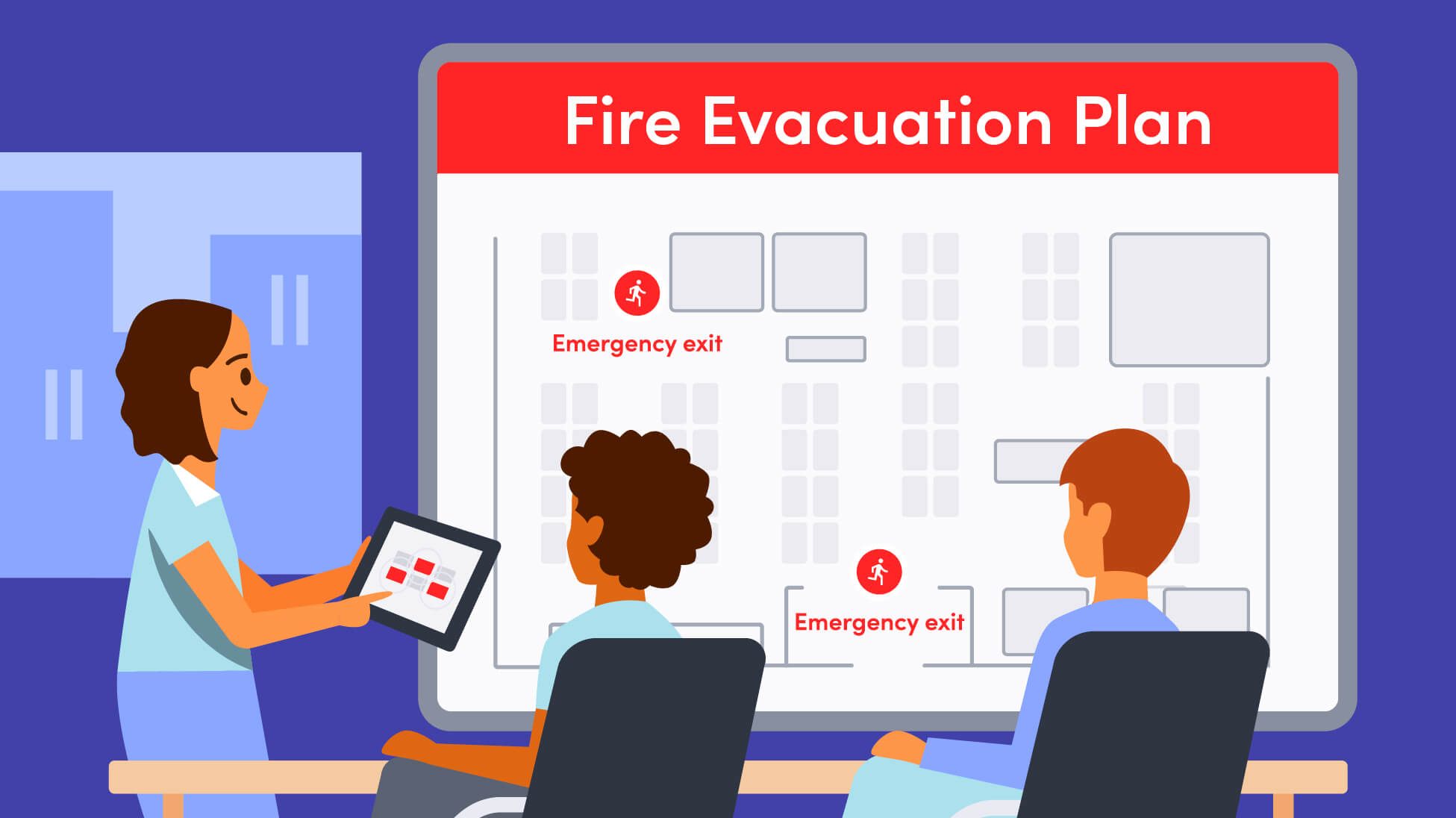
A strong fire evacuation plan goes beyond exit routes. Here’s how to plan for alerts, muster points, accountability, response roles, accessibility, and everyone who may be onsite.
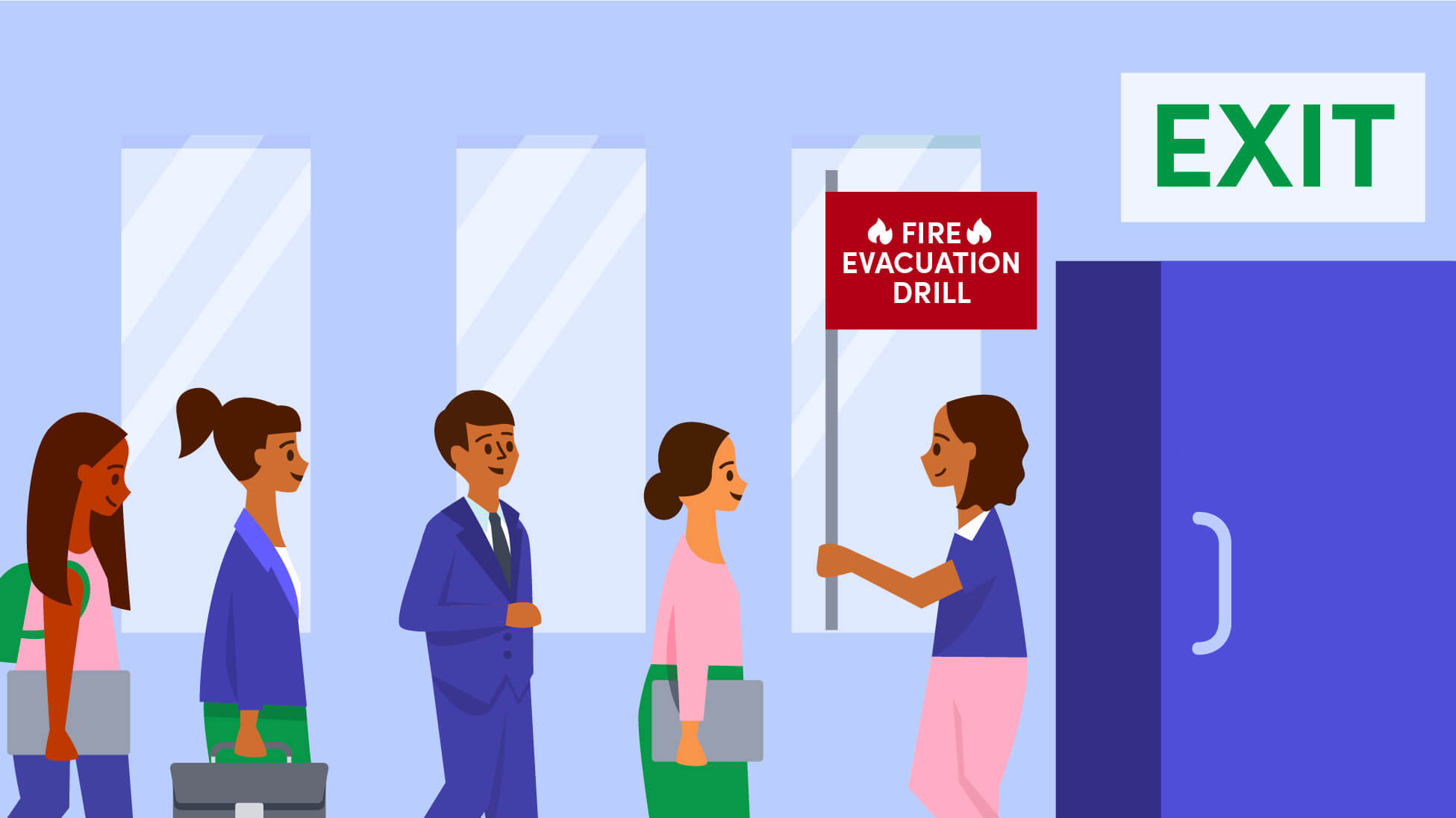
This guide breaks down the key response roles every workplace should define, from incident leads and wardens to communications, accountability, and backup coverage.
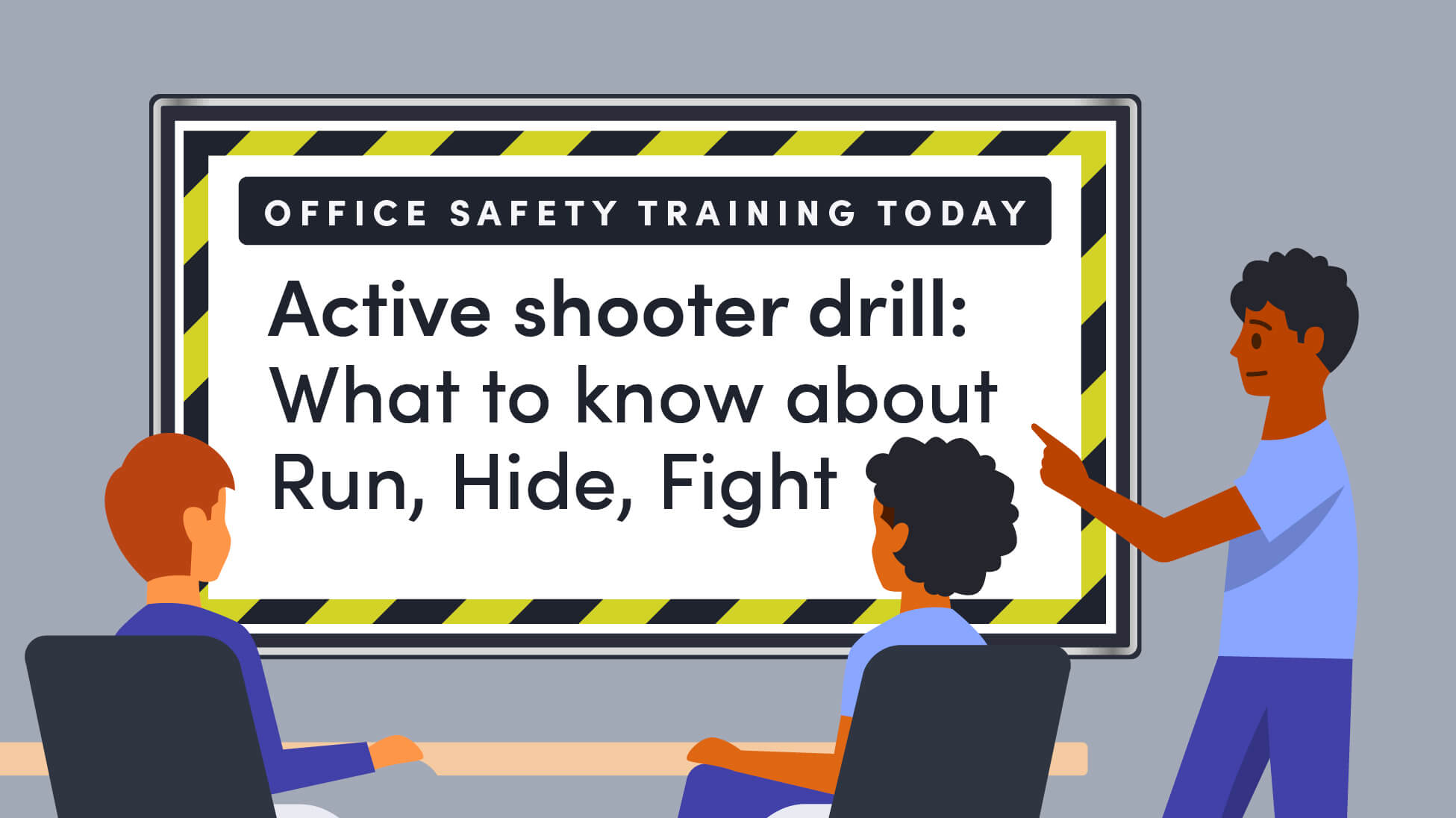
Active shooter drills should build preparedness without creating unnecessary fear. Here’s how to test communication, decision-making, accountability, and response roles with a safer, more thoughtful exercise.
A successful fire drill is about more than getting people out fast. Here’s how to test evacuation routes, muster points, accountability, and communication so your team is better prepared when it counts.