

How Envoy helped us respond to a real workplace fire emergency at our SF HQ

Last month in our San Francisco office, it was a typical afternoon. People were wrapping up meetings, grabbing a quick coffee refill, and pushing through the last stretch of the workday.
Everything felt routine. Until someone noticed a strong electrical burning smell.
At first it was faint, easy to brush off. But within minutes it became impossible to ignore. The sharp smell of electrical burning drifted through the office, and conversations quickly shifted from project updates to concerned glances across desks.
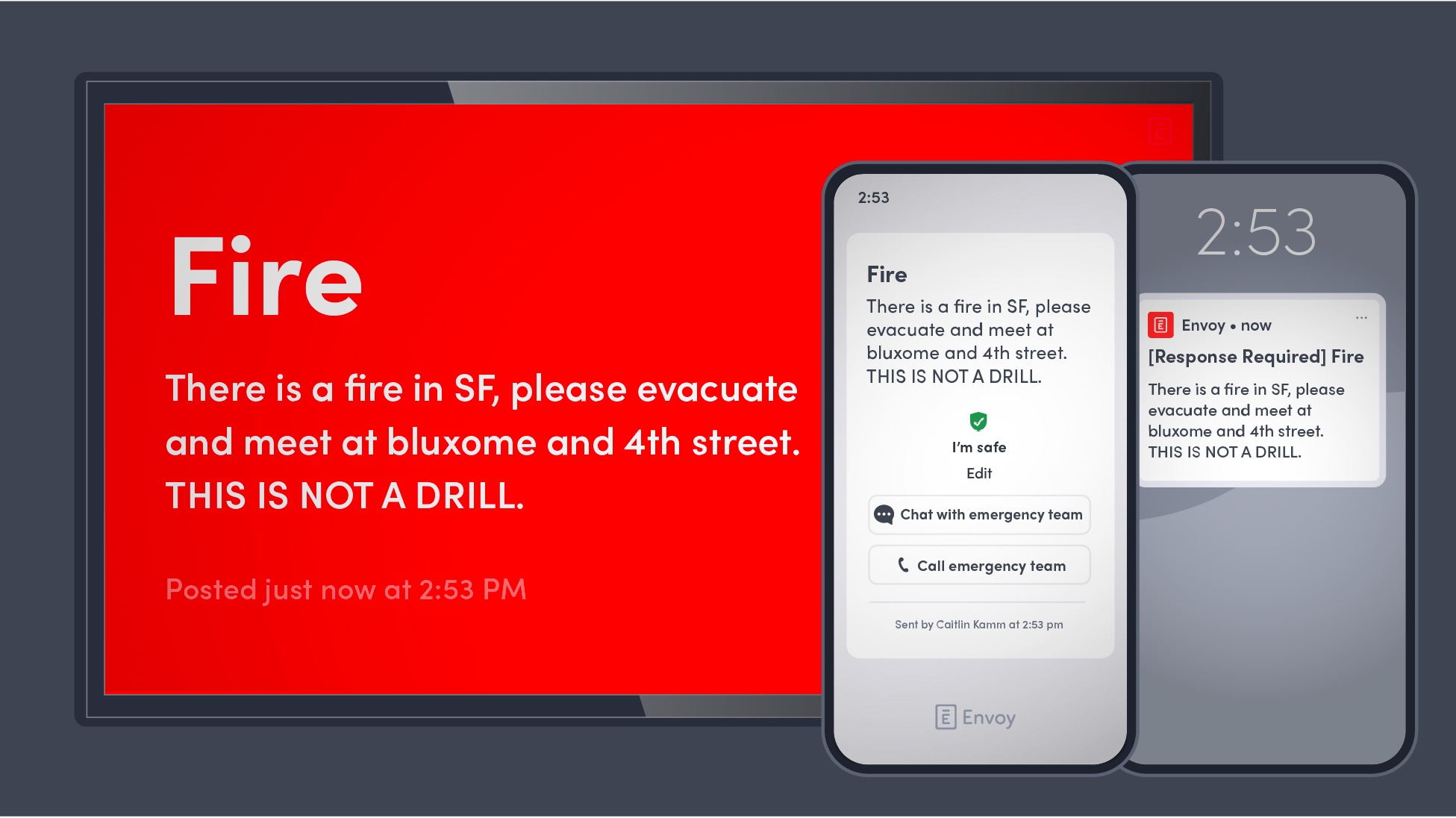
Soon after, we learned there was a fire near our building. And then something else happened. Our phones, Slack, and digital signage around the office lit up.
“There is a fire in SF, please evacuate. THIS IS NOT A DRILL.”
Our People team had used Envoy to trigger an emergency notification to alert the entire office.
Within seconds, the message reached everyone across multiple channels:
- Text messages
- Push notifications
- Email alerts
- Red evacuation alerts across workplace screens and devices
The instructions were clear: evacuate the building immediately.
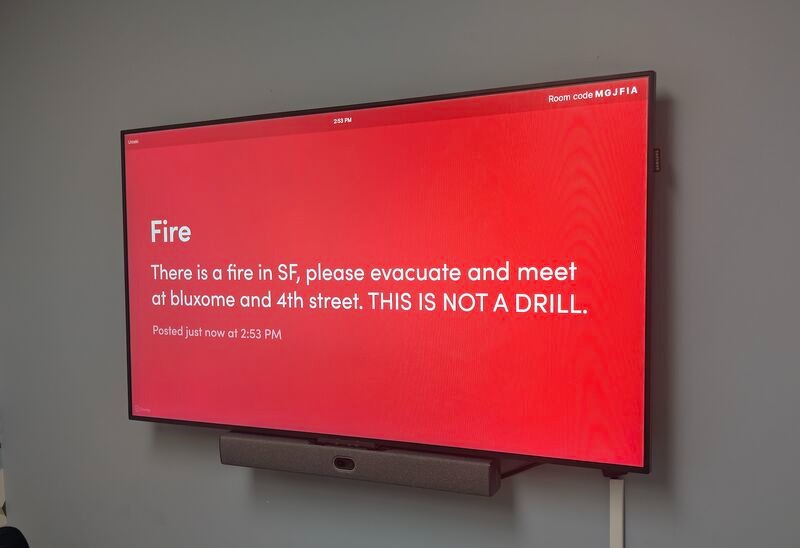

Real-time emergency communication in action
What struck me most was how quickly everything happened.
There was no scrambling for information or wondering what to do next. Everyone received the same message at the same time, with clear instructions.
People calmly grabbed their belongings, headed for the exits, and moved outside to our designated meeting area.
Once outside, employees began marking themselves safe directly from the notification on their phones.
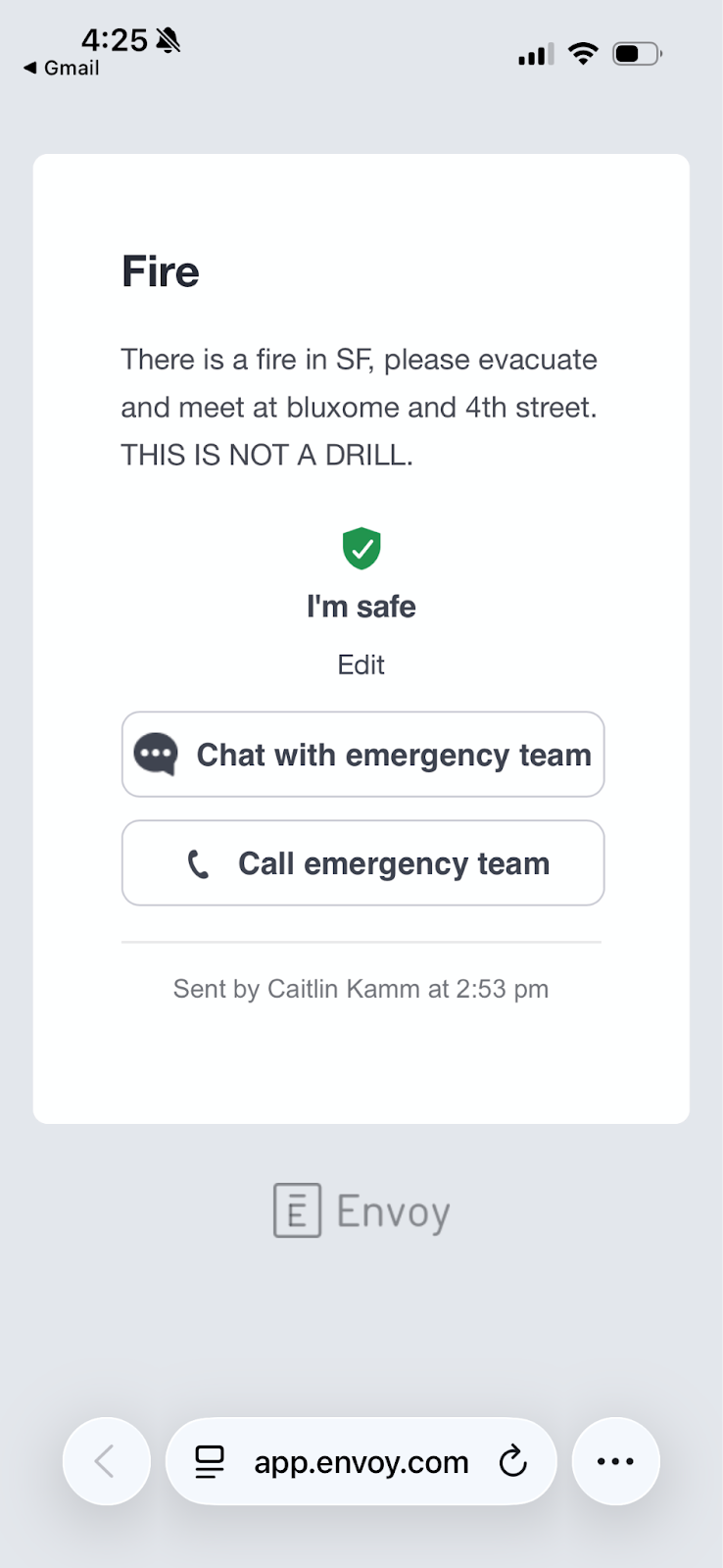
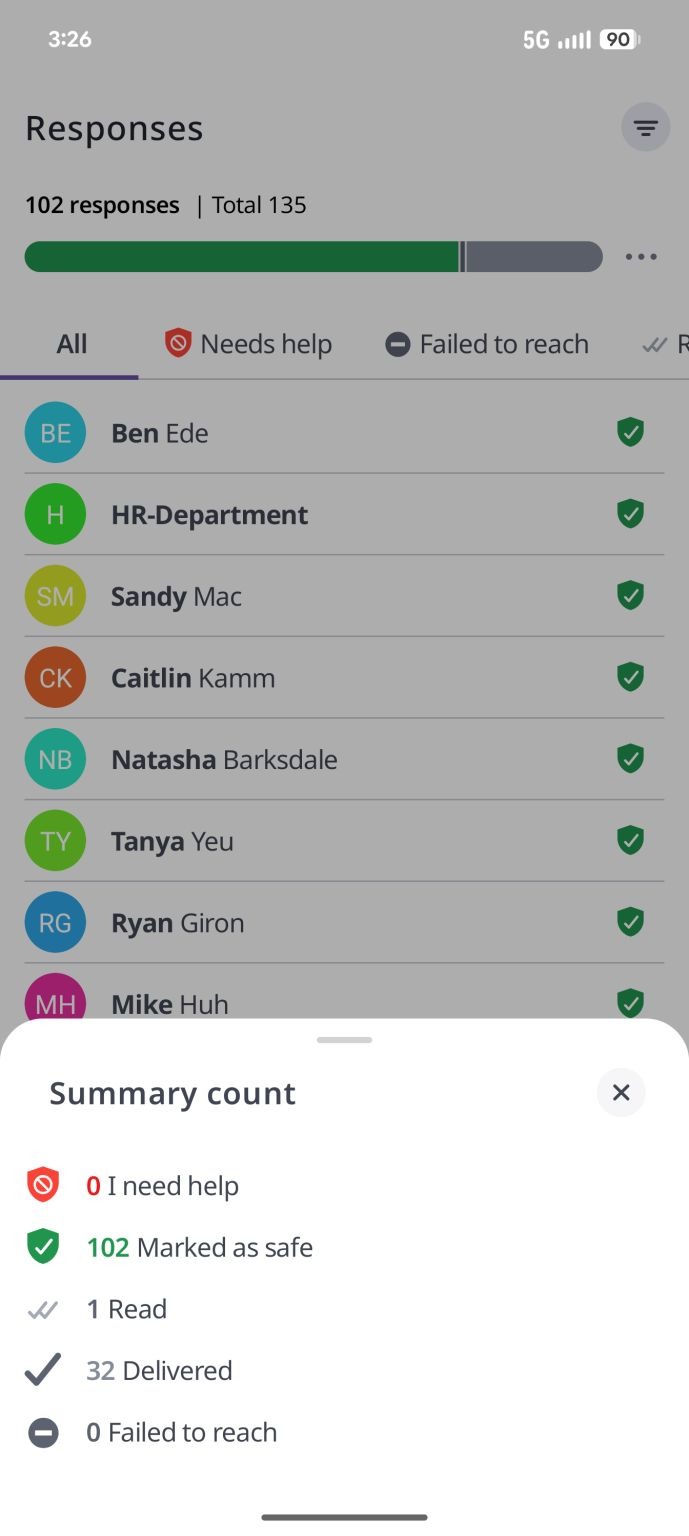
In a matter of minutes, our People team could see who had evacuated and who was accounted for.
It seemed like a simple step, but in a real emergency, knowing where your people are and that they’re safe matters immensely.
When the product you market becomes real
As someone on Envoy’s content and social media team, I spend a lot of time telling the story of how our workplace platform helps organizations run smoothly and safely.
I’m usually sharing product updates, customer stories, and real-world examples of how teams use Envoy every day.
But seeing the system activate during a real emergency felt different.
- You can write about workplace safety.
- You can talk about how teams prepare for emergencies.
- You can schedule posts about safety tips.
But seeing Envoy’s emergency response tools help guide people to safety in real time is a whole different experience.
What stood out most wasn’t just the technology, it was how clear everything was.
Everyone received the same message at the same time, with the same instructions. There was no guessing or second-guessing what to do next.
People simply followed the guidance and evacuated.
Even from a cruise ship
One part of the story that stuck with me: My manager was on vacation, on a cruise ship, when the alert went out.
Even miles away, she got the notification on her phone and was able to check in to make sure everyone was safe.
In emergencies, information matters just as much as speed. Being able to reach employees whether they’re in the office, working remotely, or halfway across the ocean ensures no one is left behind.
Emergency notifications aren’t just for fires
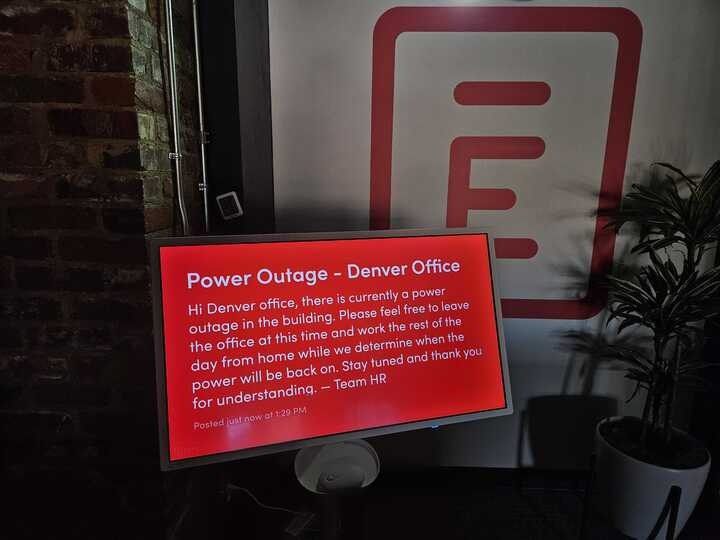
Around the same time, our Denver office experienced a power outage.
Instead of employees wondering what was happening or waiting for updates through word of mouth, the workplace team sent an emergency notification there as well. Screens across the office displayed a takeover message letting employees know about the outage and what to expect next. The goal wasn’t alarm, it was clarity.
And clarity is exactly what people need during unexpected workplace disruptions.
Why workplace emergency communication matters
Most workplace emergencies don’t begin with dramatic alarms or flashing lights. Sometimes they start quietly with a strange smell, flickering lights, or something that simply feels off.
What determines whether those situations stay calm or turn chaotic is communication.
When employees receive clear, immediate instructions, they know:
- What’s happening
- What action to take
- Where to go
- That someone is actively managing the situation
That’s the purpose of a connected emergency response: to get the right information to the right people at exactly the right time and give teams the visibility they need to coordinate what happens next.
A reminder of why workplace safety matters
Thankfully, everyone evacuated safely that day in San Francisco. The fire, which we'd later learn started on the roof a nearby building, was handled quickly, and we were able to return to work later that day.
What really hit me was seeing our technology in action. It’s not just dashboards or features. It’s about helping people stay safe when it matters most.
It was a moment that really drove home why we do what we do.
Protect your people when every second counts. Learn more about Envoy Response.
Read more

Compare leading mass notification vendors, their best-fit use cases, and key tradeoffs. Learn what to evaluate before choosing a system.
New Envoy research reveals where physical security gaps emerge and whether organizations can prove their controls are working.
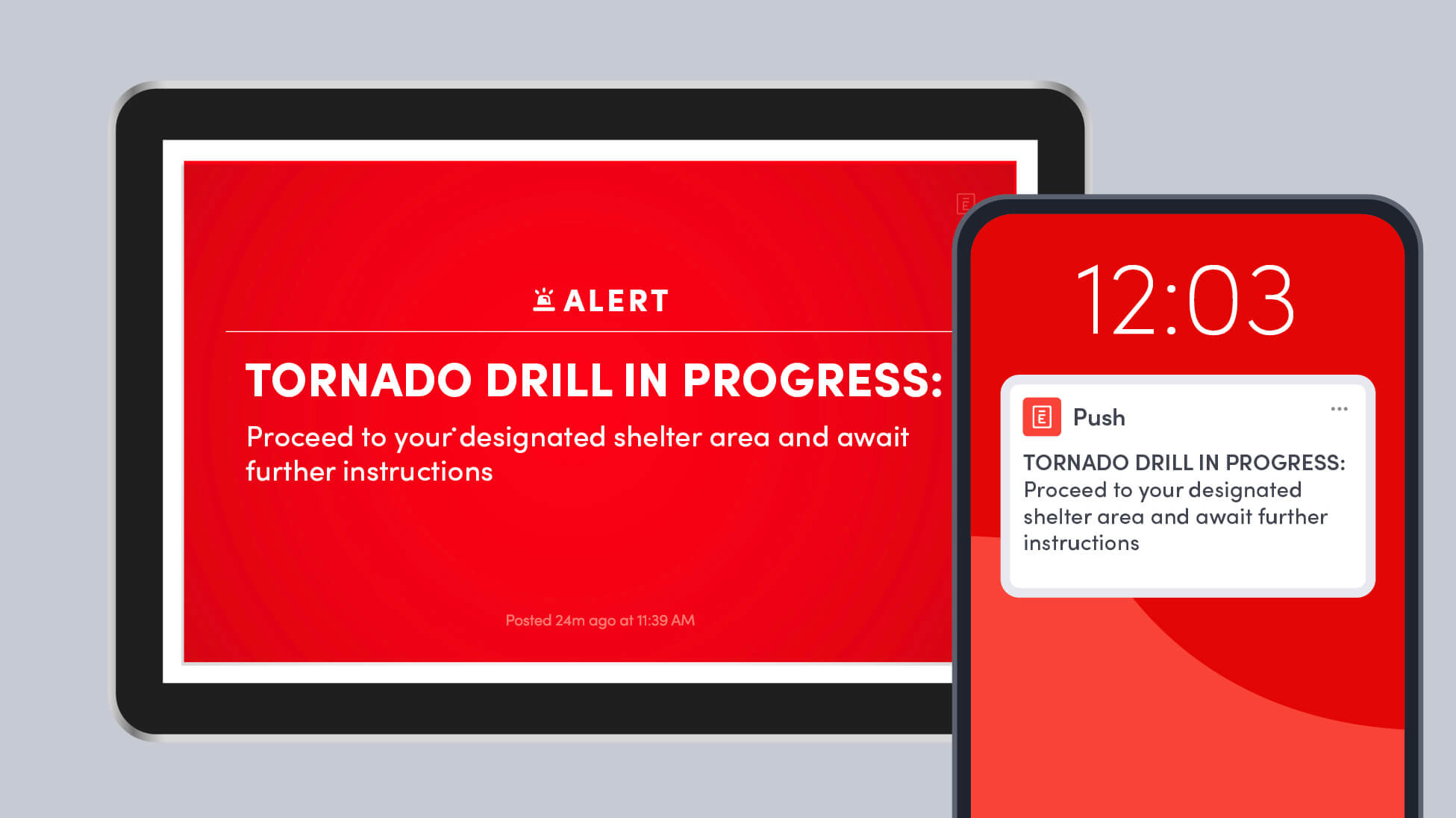
Learn how to run a workplace tornado drill, choose safer shelter areas, account for everyone onsite, and improve your emergency response plan.
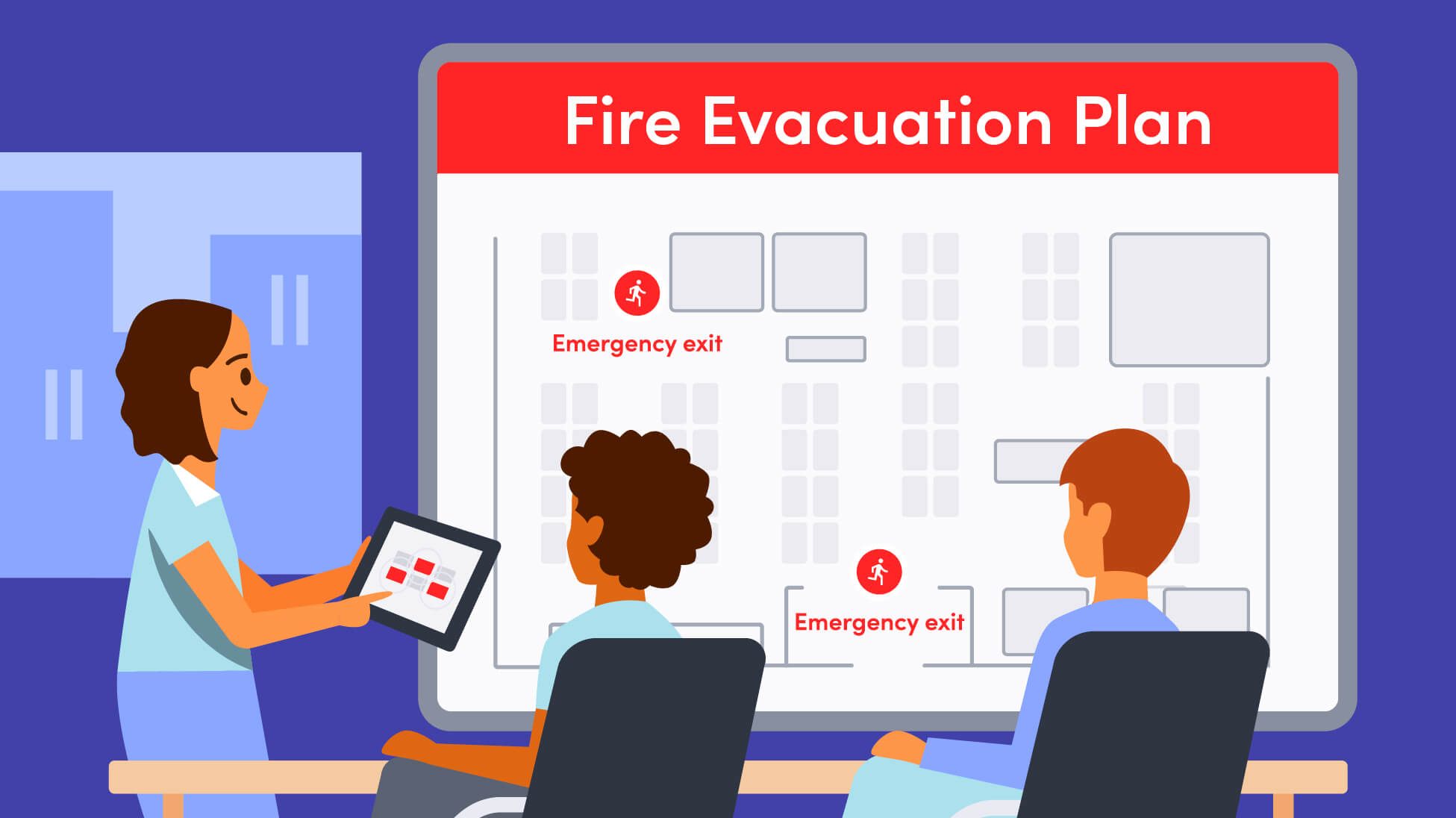
A strong fire evacuation plan goes beyond exit routes. Here’s how to plan for alerts, muster points, accountability, response roles, accessibility, and everyone who may be onsite.
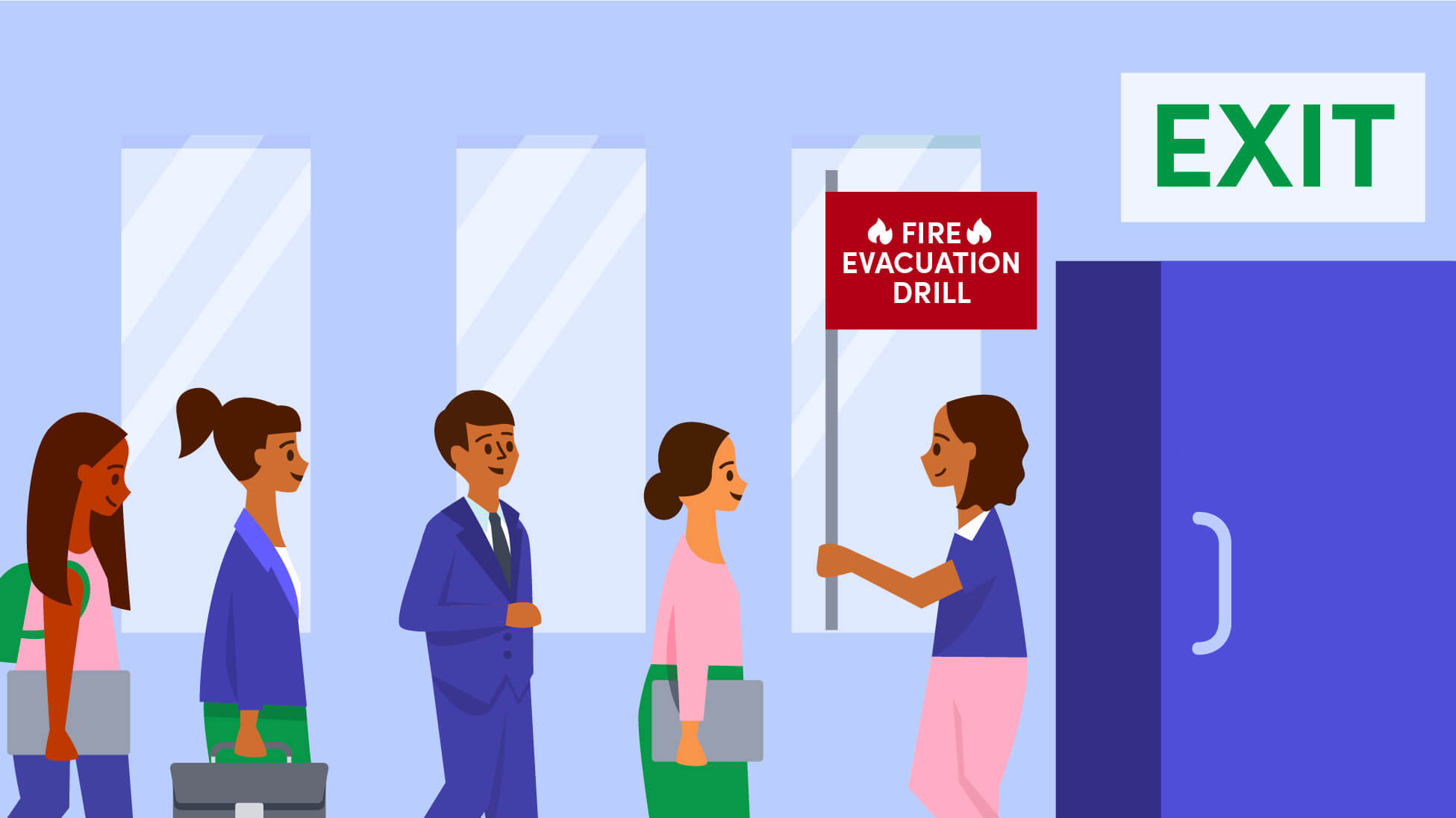
This guide breaks down the key response roles every workplace should define, from incident leads and wardens to communications, accountability, and backup coverage.
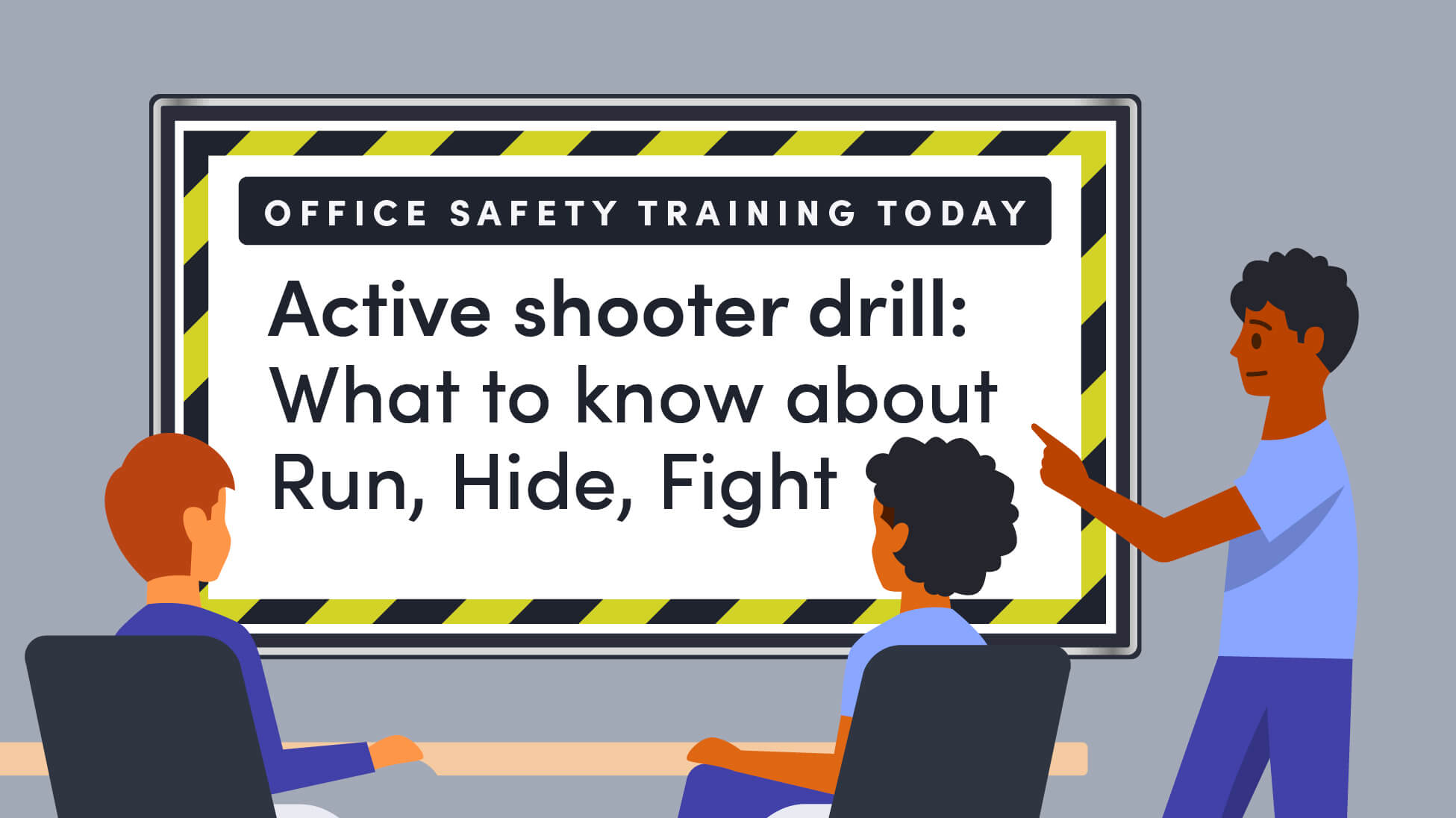
Active shooter drills should build preparedness without creating unnecessary fear. Here’s how to test communication, decision-making, accountability, and response roles with a safer, more thoughtful exercise.