

Duty of care: What it is and employer responsibilities in today’s workplace


Duty of care isn’t a new concept, but today’s organizations do face new challenges in fulfilling it. Employees, contractors, and visitors move through multiple locations every day, while severe weather, security incidents, and operational disruptions can affect workplaces with little warning.
Organizations are still expected to keep people safe, communicate clearly, and respond effectively when incidents occur. That’s where duty of care comes in.
What is duty of care?
Duty of care is an employer’s responsibility to take reasonable steps to help protect employees from harm. In practice, that can include everything from maintaining safe workplaces and security procedures to communicating during emergencies and supporting remote employees.
The exact requirements vary by organization, industry, and location, but the core idea is simple: identify risks, prepare for them, and take reasonable action to keep people safe.
As organizations become more distributed, it’s harder to understand who may be affected by an incident, communicate with them quickly, and coordinate a response. That has made duty of care a much bigger focus for workplace, security, and business continuity teams.
What do duty of care responsibilities include?
Duty of care responsibilities vary by organization, but most programs include a mix of workplace safety, security, communication, and emergency preparedness.
Physical safety
For many organizations, duty of care starts with creating a safe working environment. That includes identifying hazards, providing training, maintaining facilities, and making sure employees know what to do during an emergency.
Workplace security
Duty of care also includes helping protect employees, visitors, and contractors from security threats. This can involve access control systems, visitor screening processes, workplace violence prevention programs, security awareness training, and procedures for responding to incidents.
For organizations with multiple locations, maintaining consistent security practices across facilities is often one of the biggest challenges.
Emergency communication
During an emergency, people need clear information quickly. Employees should know how alerts are delivered, where to find updates, and which communication channels to trust.
Remote and hybrid employees
Often, duty of care extends beyond the physical workplace. Organizations should think about how they communicate with remote employees during emergencies and what support they provide to help employees work safely and effectively from anywhere.
Business travel
Business travel introduces risks that don’t exist in a typical office environment. Organizations should have a way to communicate with traveling employees and support them when conditions change unexpectedly.
Visitors and contractors
In many organizations, hundreds of non-employees may enter facilities each week. Managing access, maintaining safe environments, and accounting for visitors during emergencies are all important parts of duty of care.
Duty of care examples
Duty of care shows up in everyday decisions, not just emergency plans. Let’s look at some example scenarios.
The challenge of duty of care in multi-site organizations
Duty of care becomes more complex as organizations scale. One location may have clear procedures, a dedicated security team, and a reliable understanding of who’s onsite at any given time. A multi-site enterprise operating across dozens or hundreds of locations rarely has that luxury.
A severe weather event might affect one region while a security incident unfolds at another. Employees, contractors, and visitors may be spread across multiple facilities at the same time.
In those moments, security and workplace teams need answers to a few critical questions:
- Which locations may be affected?
- Who is currently onsite?
- How can impacted employees, visitors, and contractors be reached quickly?
- Have emergency communications been received and acknowledged?
- How are response efforts progressing across locations?
Without visibility across every location, those questions become difficult to answer.
That’s why many organizations are investing in threat intelligence, emergency communication systems, and workplace platforms that bring people, locations, and incident response into a single view. These tools help teams identify risks earlier, understand who may be affected, and coordinate a faster, more informed response when it matters most.
{{protip-1}}
How to strengthen your duty of care program
1. Understand your risks
Every organization faces different challenges. Start by identifying the operational, environmental, and security risks most relevant to your workforce and locations.
2. Establish clear response plans
Employees shouldn’t have to figure out what to do during an emergency. Document procedures, define responsibilities, and make plans easy to access. (Our Workplace emergency action plan is a practical starting point for building plans that reflect how your organization actually operates.)
3. Improve visibility
To effectively support people during an incident, you need to know who may be affected. Organizations should have reliable ways to understand occupancy, visitor activity, and employee status across locations.
4. Practice regularly
Training sessions, drills, and tabletop exercises help employees become familiar with procedures before they’re needed.
5. Strengthen communication capabilities
Communication is one of the most important parts of duty of care. Review how emergency messages are delivered, who receives them, and how updates are shared during an incident.
6. Connect systems where possible
Critical information is often spread across visitor management platforms, access control systems, occupancy tools, and emergency communication software. Connecting those systems can improve situational awareness and speed decision-making during an emergency.
—
Meeting duty of care obligations has always required knowing your risks, preparing your people, and having the right processes in place. As organizations become more distributed and threats more unpredictable, it also requires visibility into what’s happening across every location—and the ability to act on that information quickly.
Ready to strengthen duty of care across every location? Learn how Envoy helps organizations prepare for emergencies, account for everyone onsite, and coordinate response across every location.
See how security leaders are closing the gaps between people, access, and emergency systems in our webinar, People, access, and emergencies.
Read more

In this guide, we’ll break down how cloud digital signage works, how it compares with on-premise signage, cost factors, and what to look for in a solution.

Learn how to support ITAR compliance with visitor screening, access approvals, onsite controls, and records that document each visit.

Compare leading mass notification vendors, their best-fit use cases, and key tradeoffs. Learn what to evaluate before choosing a system.
New Envoy research reveals where physical security gaps emerge and whether organizations can prove their controls are working.
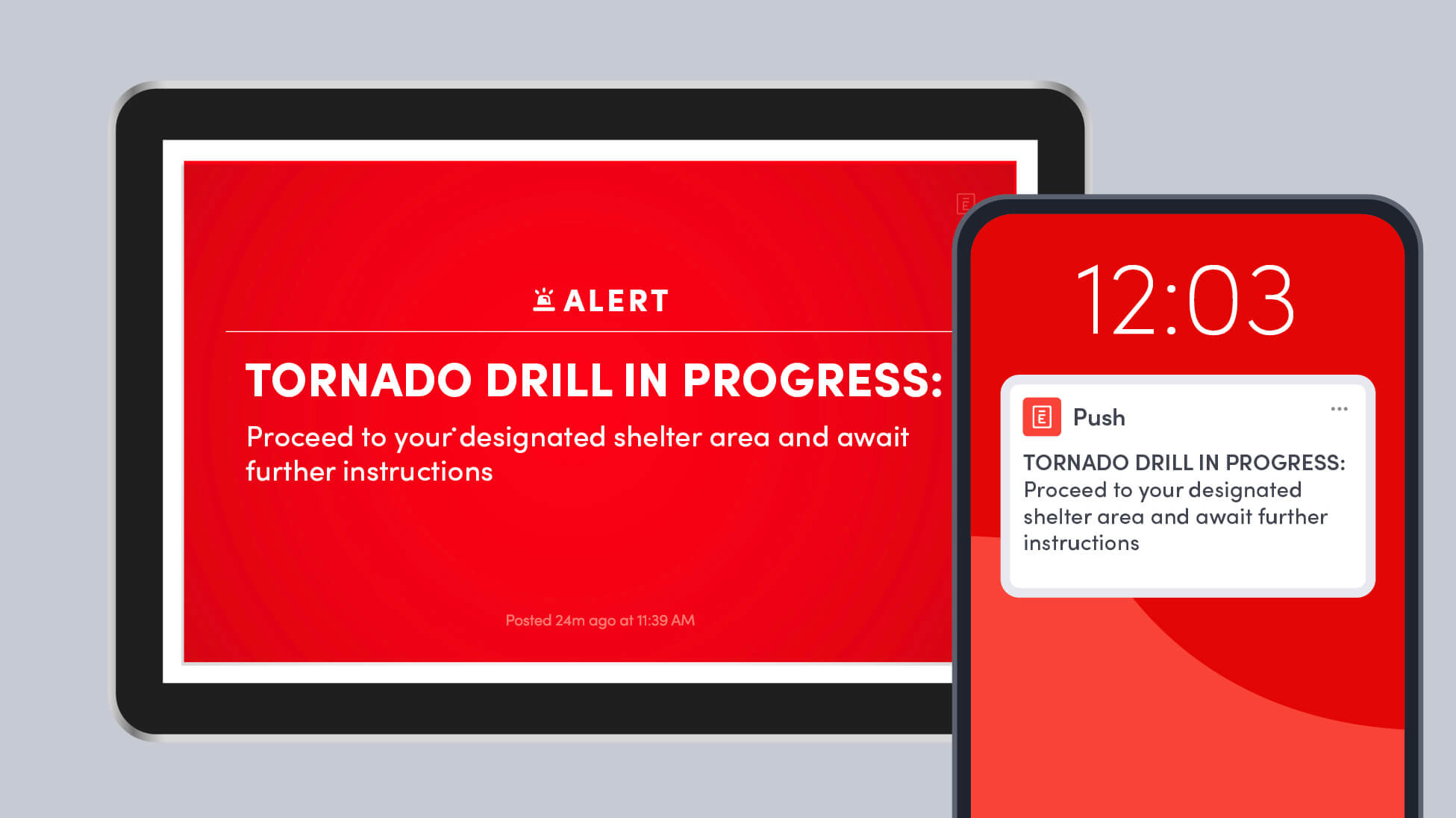
Learn how to run a workplace tornado drill, choose safer shelter areas, account for everyone onsite, and improve your emergency response plan.
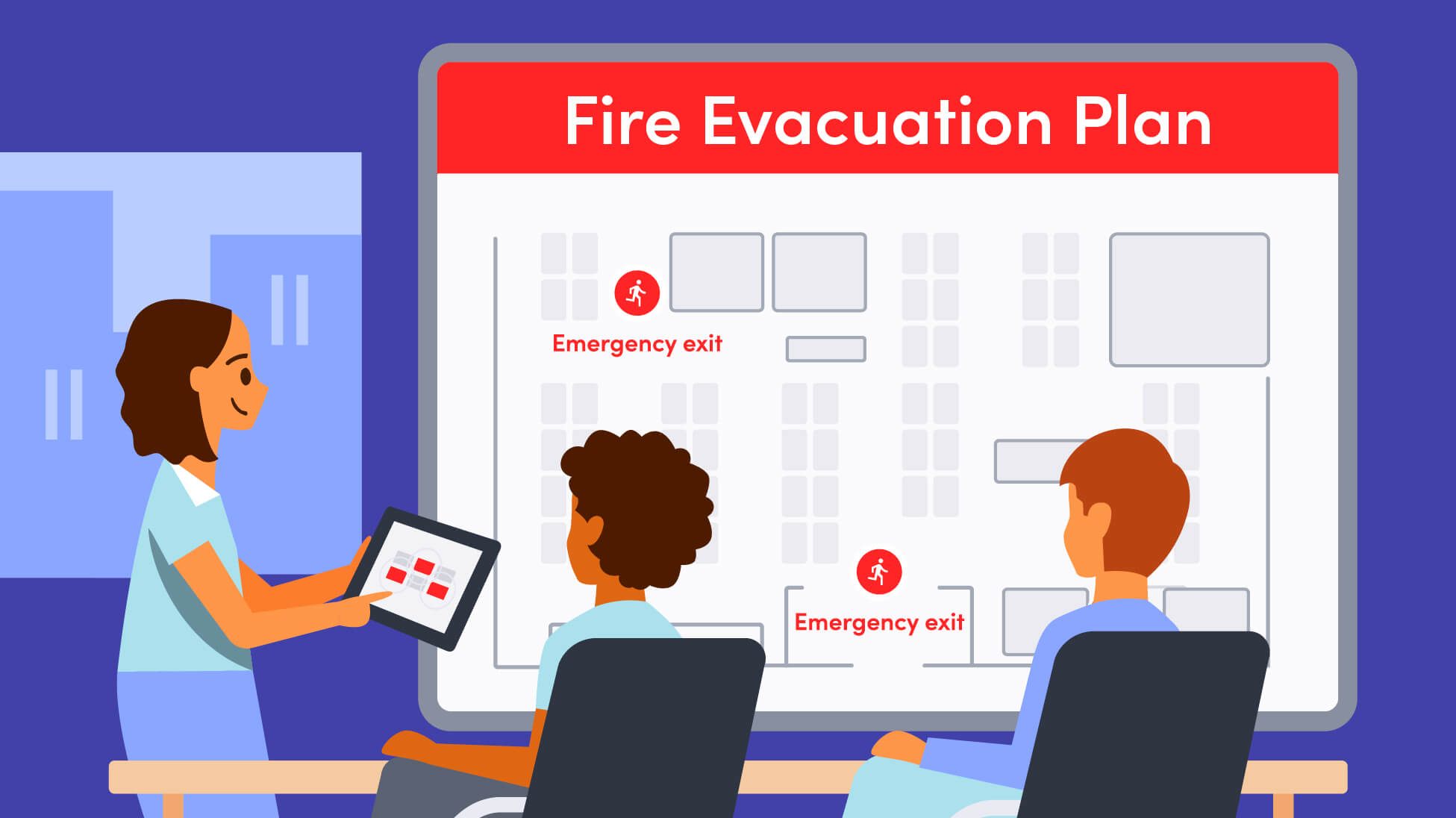
A strong fire evacuation plan goes beyond exit routes. Here’s how to plan for alerts, muster points, accountability, response roles, accessibility, and everyone who may be onsite.