

4 major benefits of technology in the workplace


Since the early days of the pandemic, when remote work was the norm, many companies have reopened under a hybrid work model. Now, employees can mix up their workweek, splitting time between the office and remote locations. To support a hybrid workforce, your workplace needs technology that can facilitate work across all settings: on-site, at home, and everywhere in between. Luckily, improving your company’s tools and technology comes with many advantages. Read on to learn about the benefits of technology in the workplace.
Benefit #1 - Less hassle and more productivity
Technology in the workplace should simplify tasks and streamline processes. This frees up time for employees to focus on their work. For example, let’s say that an employee plans to come into the workplace on a Wednesday. They might prepare for their day in the office by booking a desk using your company’s hot desk booking software. The technology also lets them see who else on their team will be in the office so they can book a nearby desk for easy, in-person collaboration. (More on this later.)
Later in the day, the employee may need to host a meeting on-site. Using a calendar app like Google Calendar and conference room scheduling software, you can find the best time and room to meet. With a video-equipped meeting room, remote attendees can join over video conferencing software like Zoom or Google Meet. Technology in the workplace is a natural extension of the way your employees already work. It helps them stay organized, increase productivity, and create more efficiencies.
Benefit #2 - More collaboration between coworkers
Think of all the in-person interactions that happen in the workplace: chats by the water cooler, impromptu huddles in the hallway, and quick back-and-forths at the desk. In a hybrid work model, these interactions aren’t always possible. Luckily, thanks to new technology in the workplace can help. Here are some examples of workplace technology that facilitates collaboration:
- Hot desking software. This technology gives employees the ability to book a desk on the fly (flexibility, for the win) next to the person or team they need to collaborate with most. You can even group desks by function, project team, or activity type so employees can find a spot near the folks they collaborate with often.
- Meeting room booking tools. This technology makes it easy to find a space to meet with coworkers. This is essential since more people on-site means more competition for meeting rooms. Some tools even allow employees to end their meetings early so they can free up their room for others to book.
- Communication tools. This technology helps employees communicate with both on-site and remote folks. This can include chat, video conferencing, and project management tools. Some companies also leverage more advanced technology, like virtual whiteboards and tools that enable telepresence.
Benefit #3 - A more secure network of tools
Technology can also help improve your company’s overall security posture. Integrated workplace technology can help to reduce security risks. This is especially true at hybrid work companies, where folks work on-site and remotely. As a result, they use a range of devices and tools that can pose significant security risks if not secure. To weed out vulnerabilities, start with assessing your company’s cybersecurity posture. Here’s a hybrid work security assessment template that can help.
Benefit #4 - A better workplace experience
Everybody has a stake in the workplace experience, whether you’re in charge of IT or HR, sitting at the front desk, or running the company. That’s why you need to design your workplace, and the technology within it, with employees in mind. To be successful, your IT team should help you understand how different roles interface with technology. Consider how those technologies will best work together. Then solve for how you can create a seamless experience for employees on-site. Consider what tools you can connect to make your employees’ lives easier. For example, link your hot desking software, room booking software, and video conferencing technology. This will help managers set up meetings with their hybrid teams, arrange productive in-person workdays, and ensure participation.
—
The benefits of technology in the workplace are only as great as you make it. With careful planning, you can design a secure, flexible system, bridge remote and in-person work, and foster a culture of collaboration.
Read more
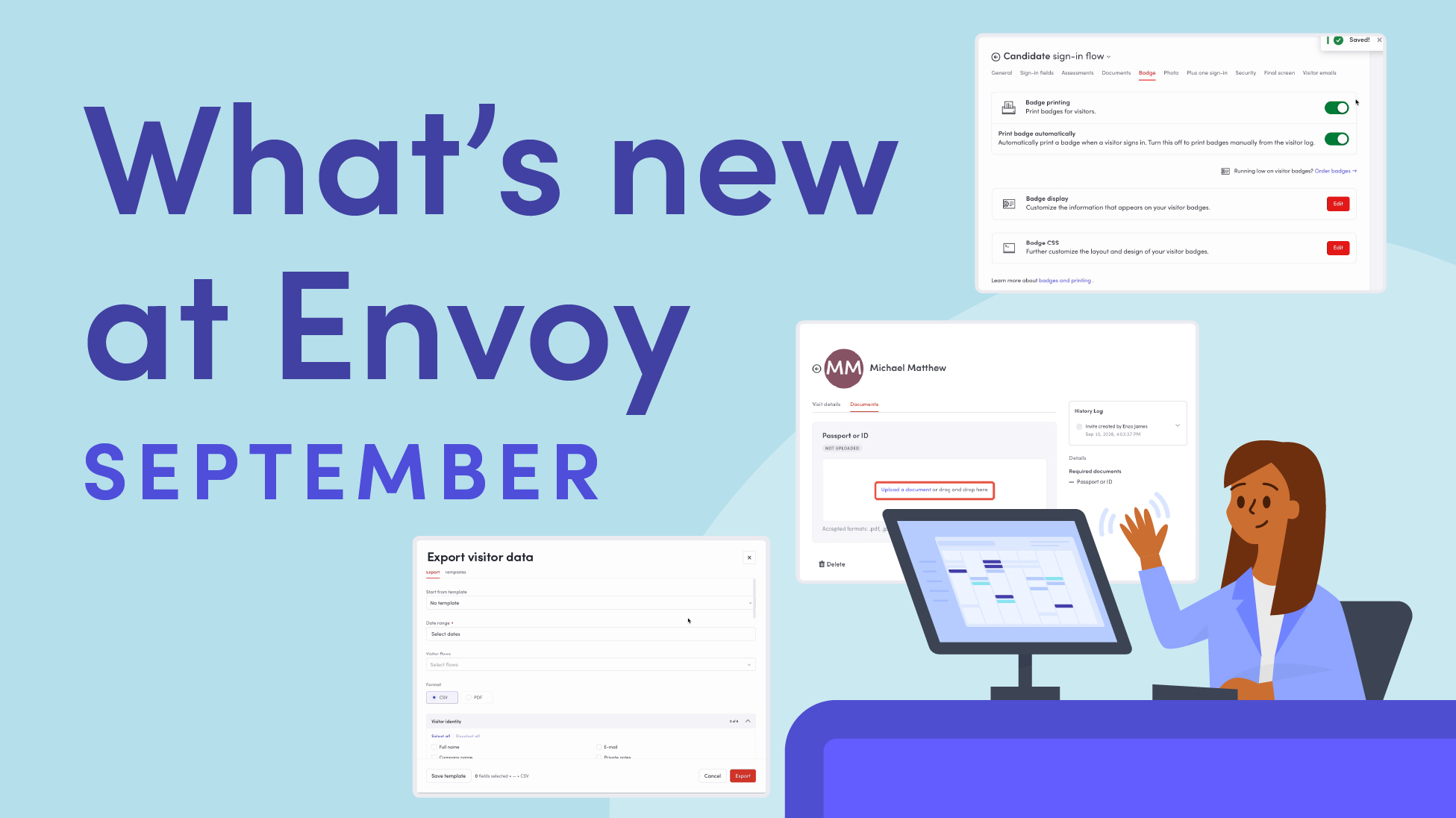
Envoy’s September 2026 releases help teams manage visitors with less manual work, streamline compliance reporting, and keep access systems in sync.
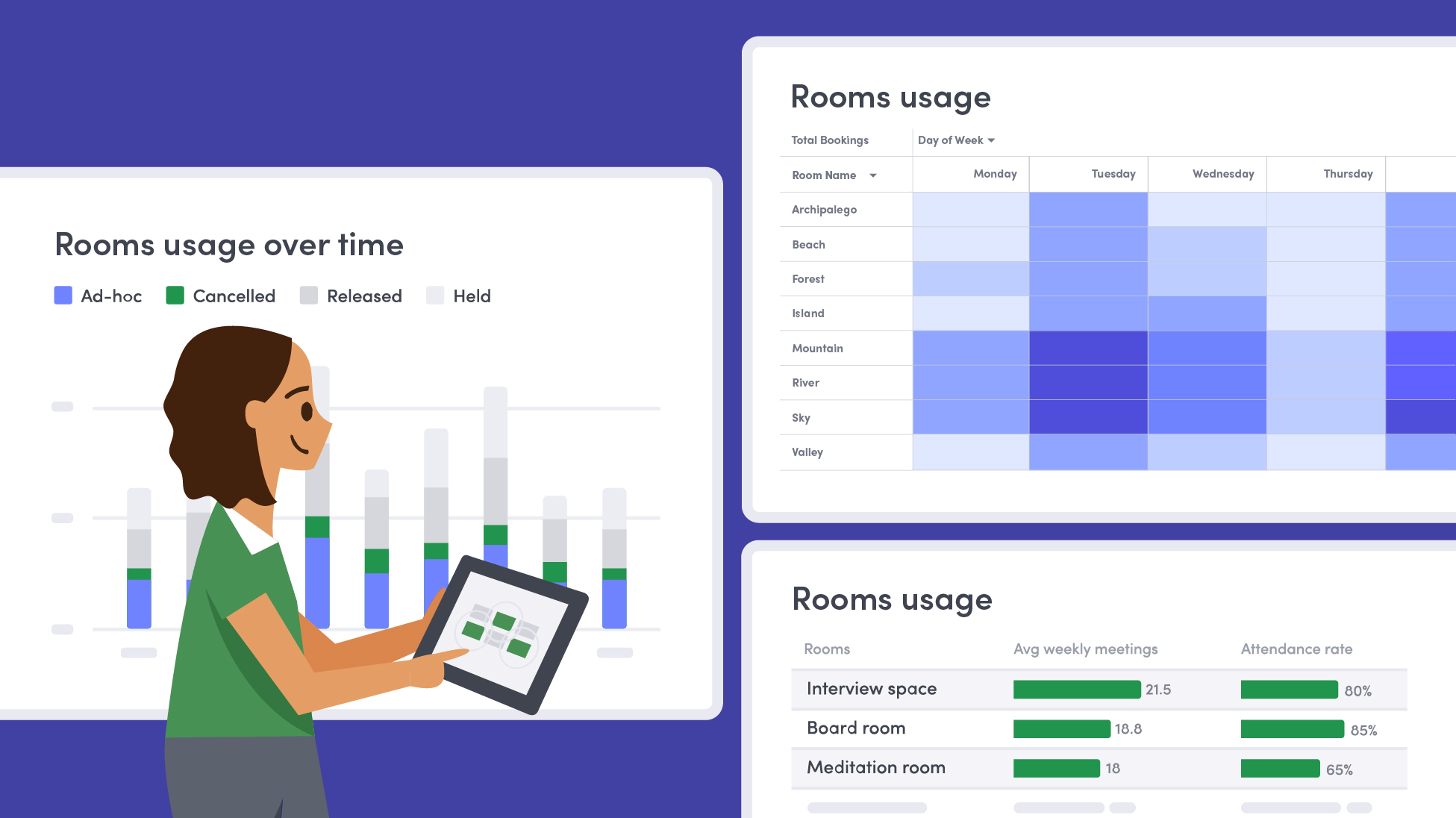
Learn how to measure conference room utilization, occupancy, no-shows, booking density, and more, and use the data to make smarter space decisions.
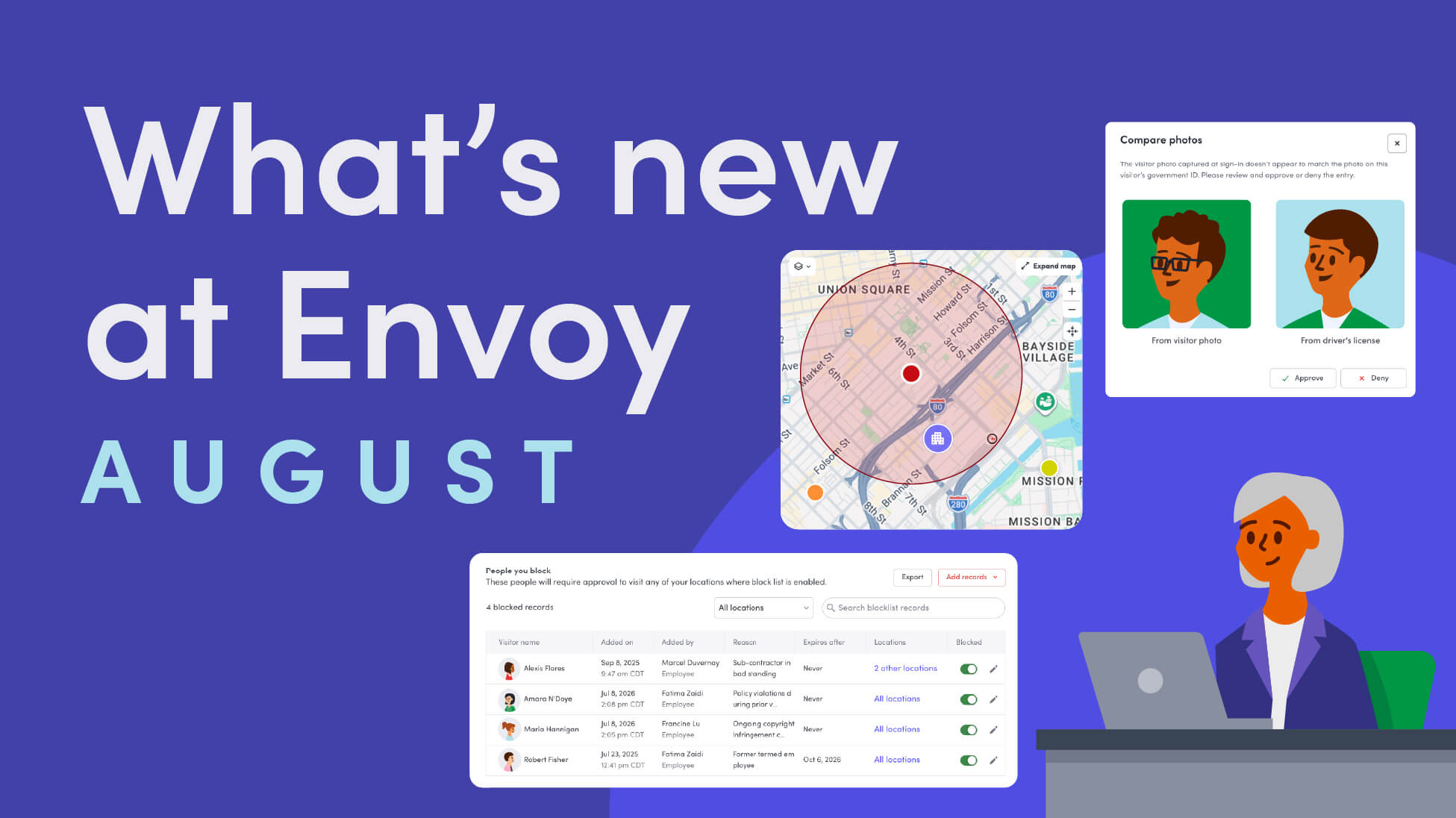
Envoy’s August 2026 releases introduce Envoy Response for emergency management, bringing emergency response into the same platform you already use for visitor and workplace management.

Envoy's July 2026 releases focus on workplace intelligence features like HRIS directory sync, workplace map file exports, and mailroom management improvements through the Developer API.

Envoy data across 300+ U.S. metros reveals the one morning the World Cup actually emptied the office, and it wasn't when you'd think.

Envoy Academy is back with a full refresh. Still free, still on-demand, and organized by role so admins get fluent in Envoy fast.