

CMMC 2025 deadline: What defense contractors and compliance leaders need to know

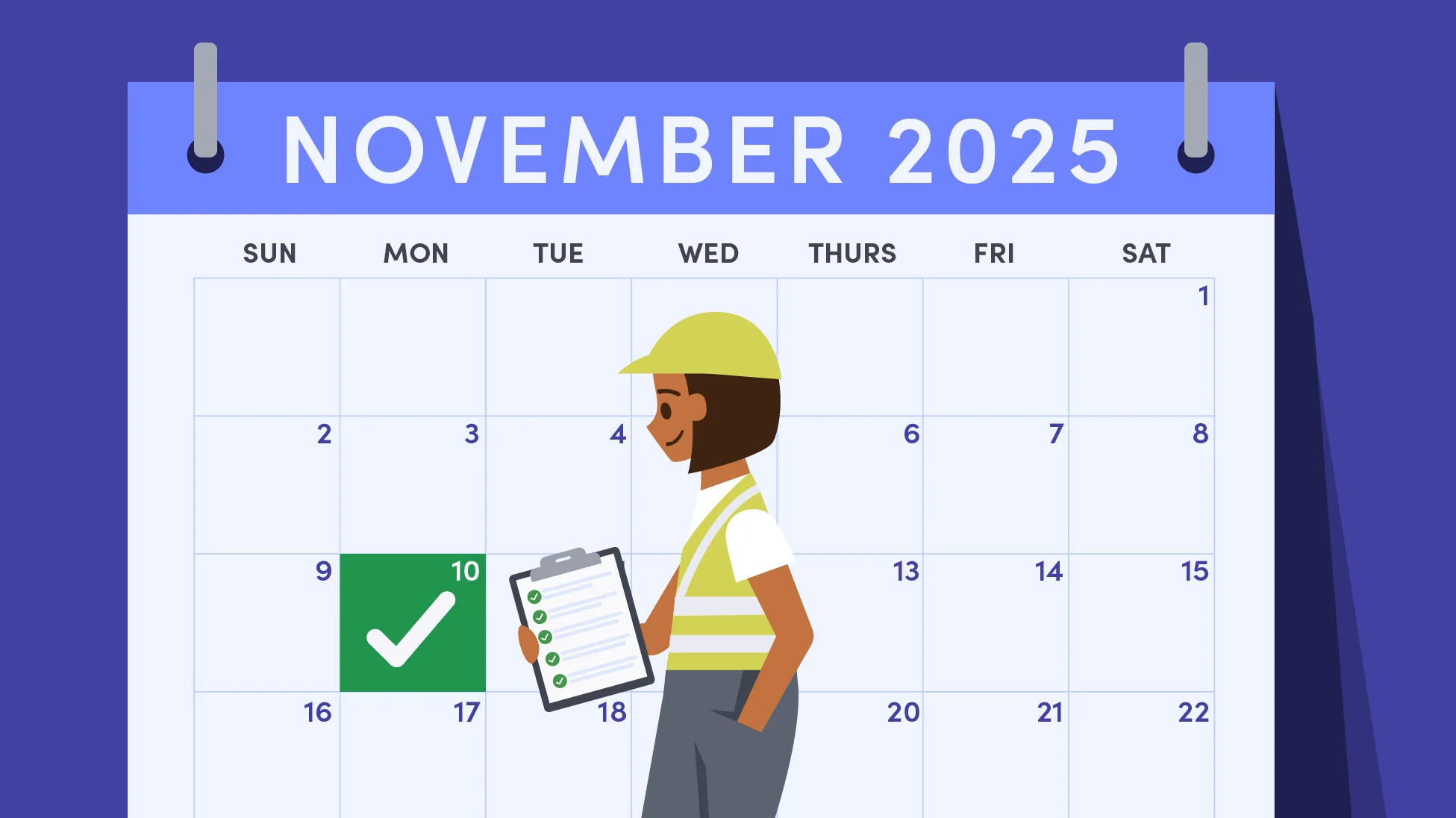
Mark your calendars: Nov 10, 2025 is the day CMMC compliance moves from self-reported to officially audited. If your company works with DoD contracts—whether in aerospace, defense, or manufacturing—every contract you hold is on the line.
It’s a high-stakes shift, but don’t worry. Below, we’ll walk you through exactly what’s changing and how to prepare for this change with confidence.
What is CMMC?
The Cybersecurity Maturity Model Certification (CMMC) is the DoD’s framework for protecting sensitive information across the defense supply chain. It sets the rules for how your organization must meet Department of Defense cybersecurity requirements.
CMMC has three certification levels—ranging from basic cyber hygiene to advanced, proactive security—and you need to achieve the level required by your contracts. Starting Nov 10, 2025, compliance will be verified through official assessments, not just self-attestation, so it’s essential to understand where you stand now.
What’s changing with the November update
Until now, companies could self-report compliance with NIST 800-171 or other cybersecurity requirements. Starting Nov 2025:
- Third-party CMMC assessments are now mandatory. You’ll need to pass these reviews to qualify for DoD contracts.
- Compliance is tied directly to contract eligibility. Failing an assessment could mean losing access to bids and renewals
- Scrutiny is rising. With cybersecurity threats growing, the DoD is holding suppliers to a higher standard
In other words, the Nov 10 deadline marks a shift from flexibility to accountability. You’ll need to show, not just tell, that your organization meets DoD standards.
What’s at stake if you fall behind
The risks of non-compliance are real:
- Lost contracts and revenue
- Strained relationships with regulators and partners
- Reputational damage across the defense ecosystem
For companies in aerospace, defense, and advanced manufacturing—where federal contracts drive much of the business—compliance gaps can threaten long-term survival.
For example, a missed audit or gap in workplace compliance in aerospace or defense could delay production schedules, halt contract bids, or even put critical supply chain partnerships at risk. If CMMC applies to your organization, staying aligned isn’t optional. It’s mission critical.
5 ways to start preparing for the CMMC Nov 10 2025 deadline now
Not sure where to begin? To stay on track for CMMC compliance and meet the CMMC Nov 10 deadline, focus on these five crucial steps:
- Assess your current compliance posture. Conduct an internal gap analysis against CMMC requirements so you know exactly where you stand today. This will help you prioritize fixes instead of spreading resources too thin.
- Engage with a C3PAO (Certified Third-Party Assessment Organization). Schedule your assessment as soon as possible. Slots fill quickly—especialy as the deadline approaches. Wait too long, and you could miss out on bidding on contracts.
- Strengthen operational security. Align your people, processes, and technology now to keep CUI protected. Even small weaknesses can derail your assessment.
- Document everything. Keep clear records of your security policies, employee training, and access controls so you’re always ready—even for a surprise audit. Incomplete documentation is one of the most common reasons for compliance failure.
- Close the loop with facilities and workplace systems. Make sure your physical security supports your digital safeguards, since both are essential for compliance. Auditors will look at how people access sensitive spaces just as closely as how you secure your networks.
Protect your workplace, protect your contracts
CMMC isn’t only about networks and firewalls. It’s about protecting data wherever people interact with your workplace. That means controlling who comes and goes, keeping accurate records, and ensuring people stay safe during critical events.
A workplace platform like Envoy helps you cover these areas by managing access control and visitor sign-ins, maintaining audit-ready logs of everyone onsite, and providing emergency communication tools to keep teams informed in real time.
With Envoy, your workplace systems work together to protect people, spaces, and data—supporting both safety and CMMC readiness.
—
The Nov 10 CMMC deadline is more than just another compliance milestone. It’s a gatekeeper for the future of your DoD contracts. Acting now means fewer surprises during assessments, stronger trust with regulators, and greater confidence that your business is protected against costly setbacks.
Learn how Envoy can help you connect people, spaces, and data securely to stay ahead of critical compliance requirements, including the CMMC Nov 10 deadline. Visit our website.
Read more

In this guide, we’ll break down how cloud digital signage works, how it compares with on-premise signage, cost factors, and what to look for in a solution.

Learn how to support ITAR compliance with visitor screening, access approvals, onsite controls, and records that document each visit.

Compare leading mass notification vendors, their best-fit use cases, and key tradeoffs. Learn what to evaluate before choosing a system.

New Envoy research reveals where physical security gaps emerge and whether organizations can prove their controls are working.
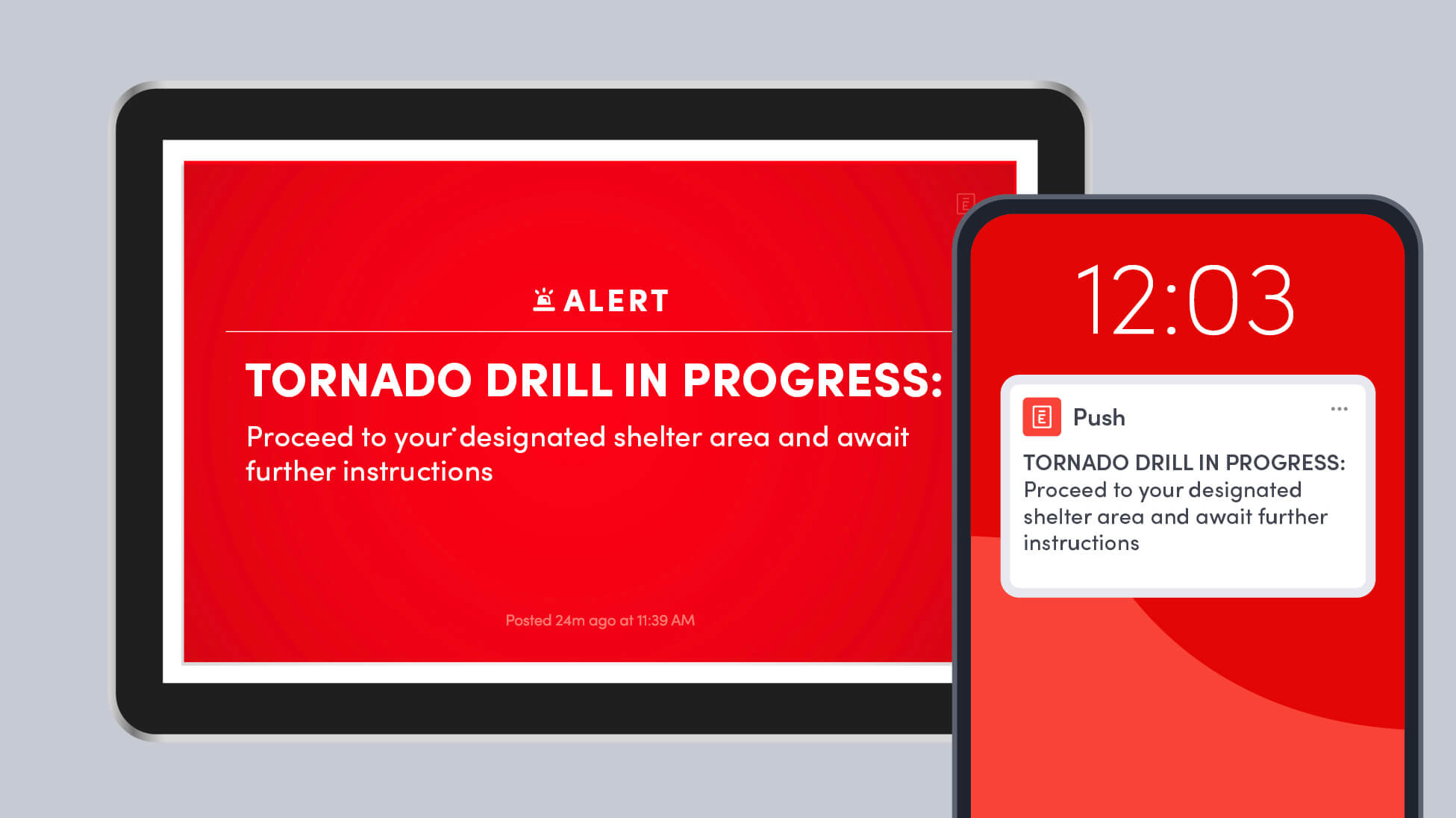
Learn how to run a workplace tornado drill, choose safer shelter areas, account for everyone onsite, and improve your emergency response plan.
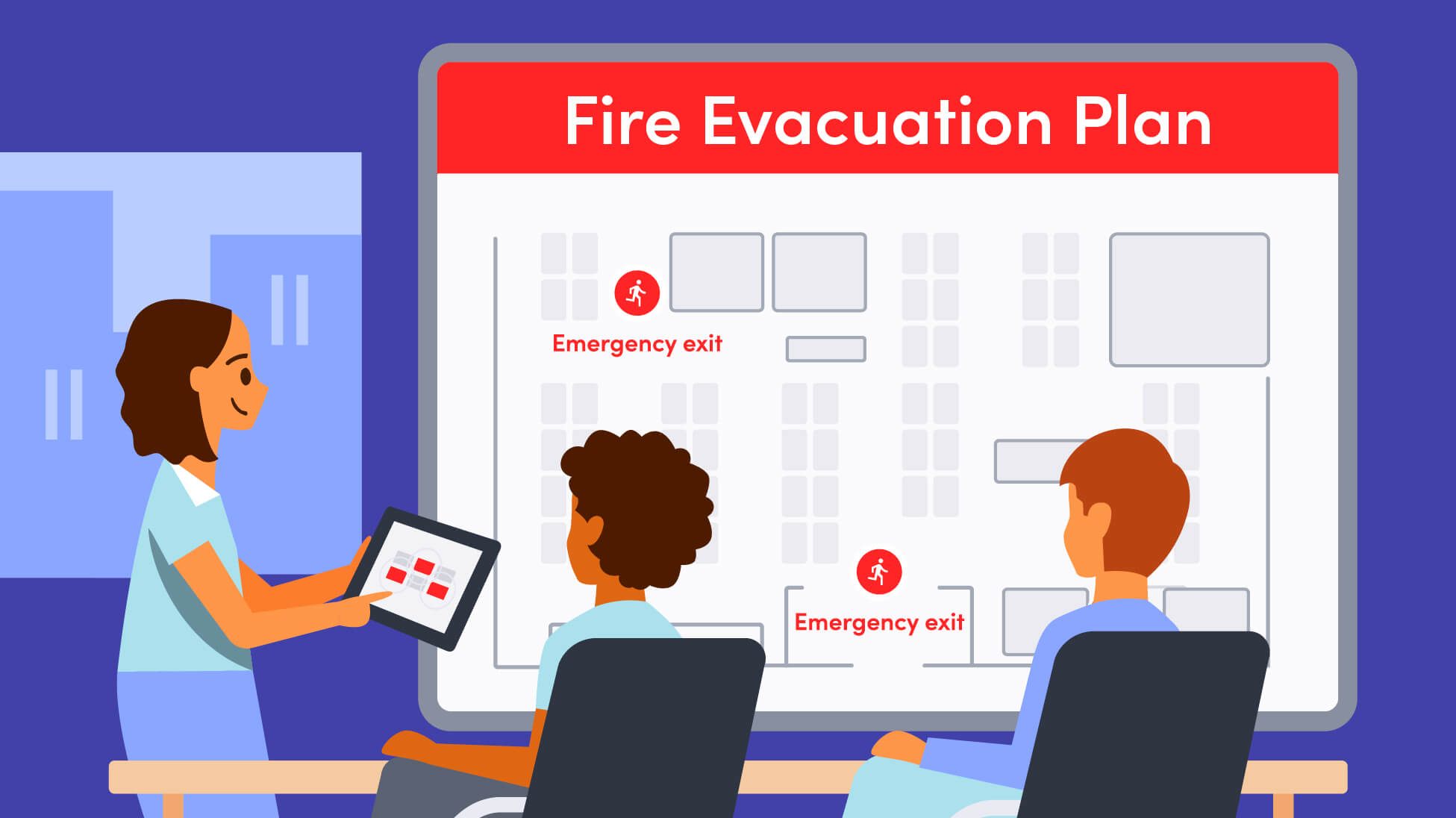
A strong fire evacuation plan goes beyond exit routes. Here’s how to plan for alerts, muster points, accountability, response roles, accessibility, and everyone who may be onsite.