

Why scattered systems put your biotech lab at risk—and how to stay audit-ready


When a freezer failure at a government-run virology lab in Queensland led to hundreds of virus samples going unaccounted for, the issue wasn’t theft. It was missing records. A single breakdown in storage and documentation created a major biosecurity concern.
If your lab is still relying on scattered tools, the same kind of slip-up could leave you scrambling. In biotech, you’re balancing two jobs at once: pushing science forward while proving compliance at every step. Even minor oversights can put your IP and your team’s safety at risk. With FDA, ITAR, EAR, and HIPAA regulations to navigate, the stakes add up fast.
Today’s biotech labs face new risks and blind spots
Modern labs look nothing like they did a decade ago. Research cycles are faster, and rules are tighter—ITAR and EAR, for example, put strict limits on sensitive materials and tech that can leave the lab. Labs also handle more data and track more processes than ever before, making oversight trickier. Here’s what’s changed in today’s labs:
- Hybrid work. Researchers and staff are in and out at different hours, across locations.
- Materials on the move. Reagents, samples, and high-value assets need precise tracking.
- Strict access controls. More areas require security to protect IP and meet regulations.
- More tools, more complexity. Multiple point solutions can create blind spots.
- High turnover. When key people leave, processes can break down fast.
These shifts can cause major headaches during audits. For example, a surprise FDA inspection, staff might scramble through spreadsheets, emails, and tracking systems—only to find missing delivery records and incomplete visitor approvals.
Even when teams are careful, they can falter, because it’s usually not carelessness that creates risk. It’s complexity, scattered logs, and missed steps. When teams spend hours hunting down logs or reconciling tools, morale drops, critical work slows, and costly errors are made.
How labs can build resilience into daily operations
The most successful labs take a different approach. Instead of stacking point solutions or following outdated processes, they unify safety, compliance, and operations into a single system, like Envoy. As a result, compliance stops being a last-minute scramble and becomes part of your team’s everyday workflow. Here’s what that could look like in your lab:
- Visitor vetting. Every person who enters is screened against entrance requirements and cleared only if they meet them all.
- Compliance-ready logs. Records are complete and automatically stored, so audits don’t require last-minute scrambling.
- Delivery chain-of-custody. Samples and sensitive materials are monitored from arrival through use, keeping the chain-of-custody clear.
- Emergency protocols. Alerts and responses are coordinated across teams, so nothing falls through the cracks if a crisis hits.
- Interactive maps. Teams always know where they can go, and sensitive spaces are clearly marked to prevent accidental access.
With all these pieces working together, your lab can stay secure and audit-ready without hunting through scattered files and disparate systems. Your team is freed up to focus on the work that matters most: science and innovation.
—
Moving from patchwork to resilient compliance isn’t just about being ready for audits. It lets your team focus on research, protect valuable IP, and drive innovation without constant firefighting.
You can turn compliance into a smooth, everyday part of your lab’s work. See how it could work for you. Book a demo today.
Read more

Learn how to support ITAR compliance with visitor screening, access approvals, onsite controls, and records that document each visit.

Compare leading mass notification vendors, their best-fit use cases, and key tradeoffs. Learn what to evaluate before choosing a system.
New Envoy research reveals where physical security gaps emerge and whether organizations can prove their controls are working.
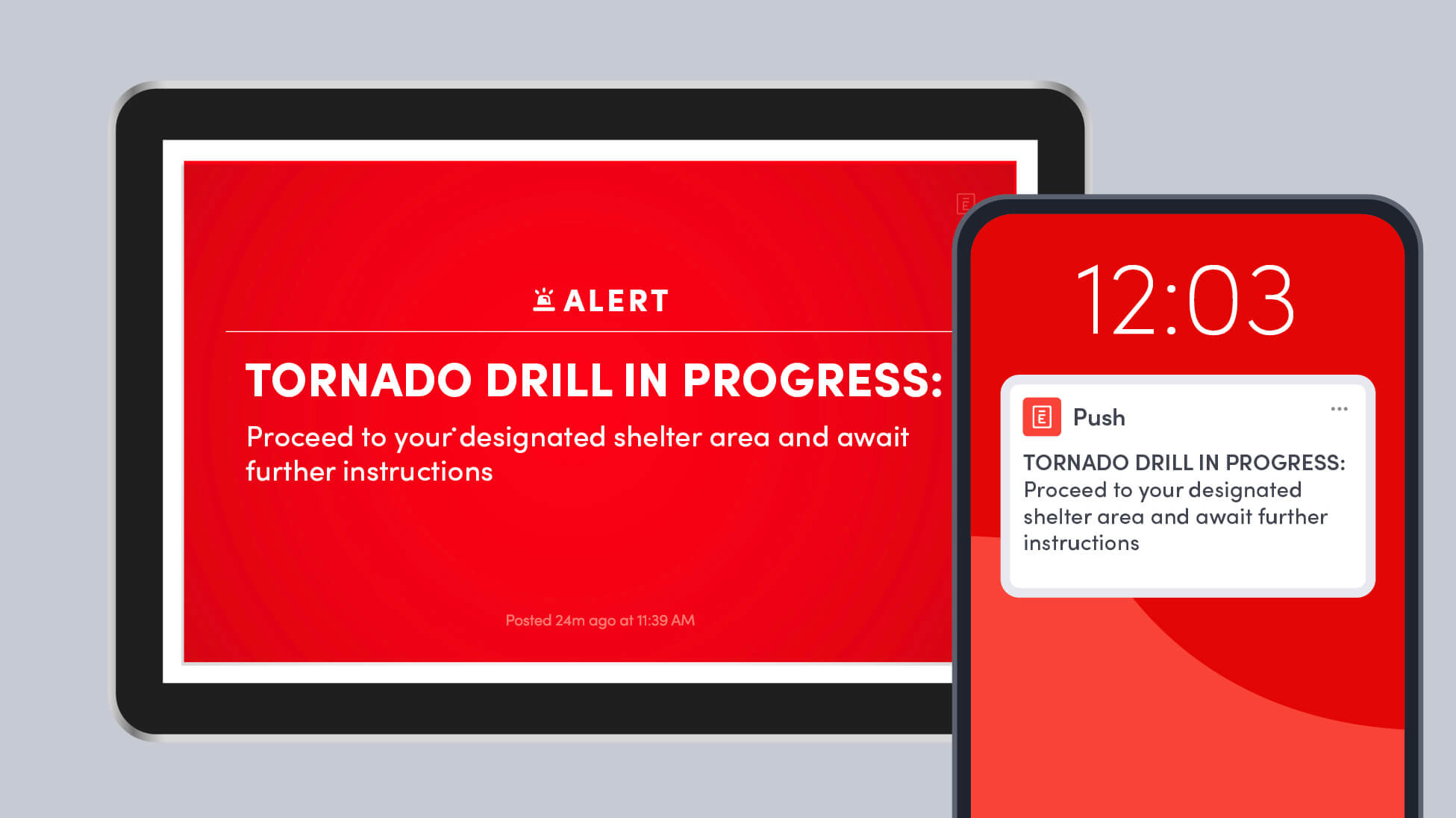
Learn how to run a workplace tornado drill, choose safer shelter areas, account for everyone onsite, and improve your emergency response plan.
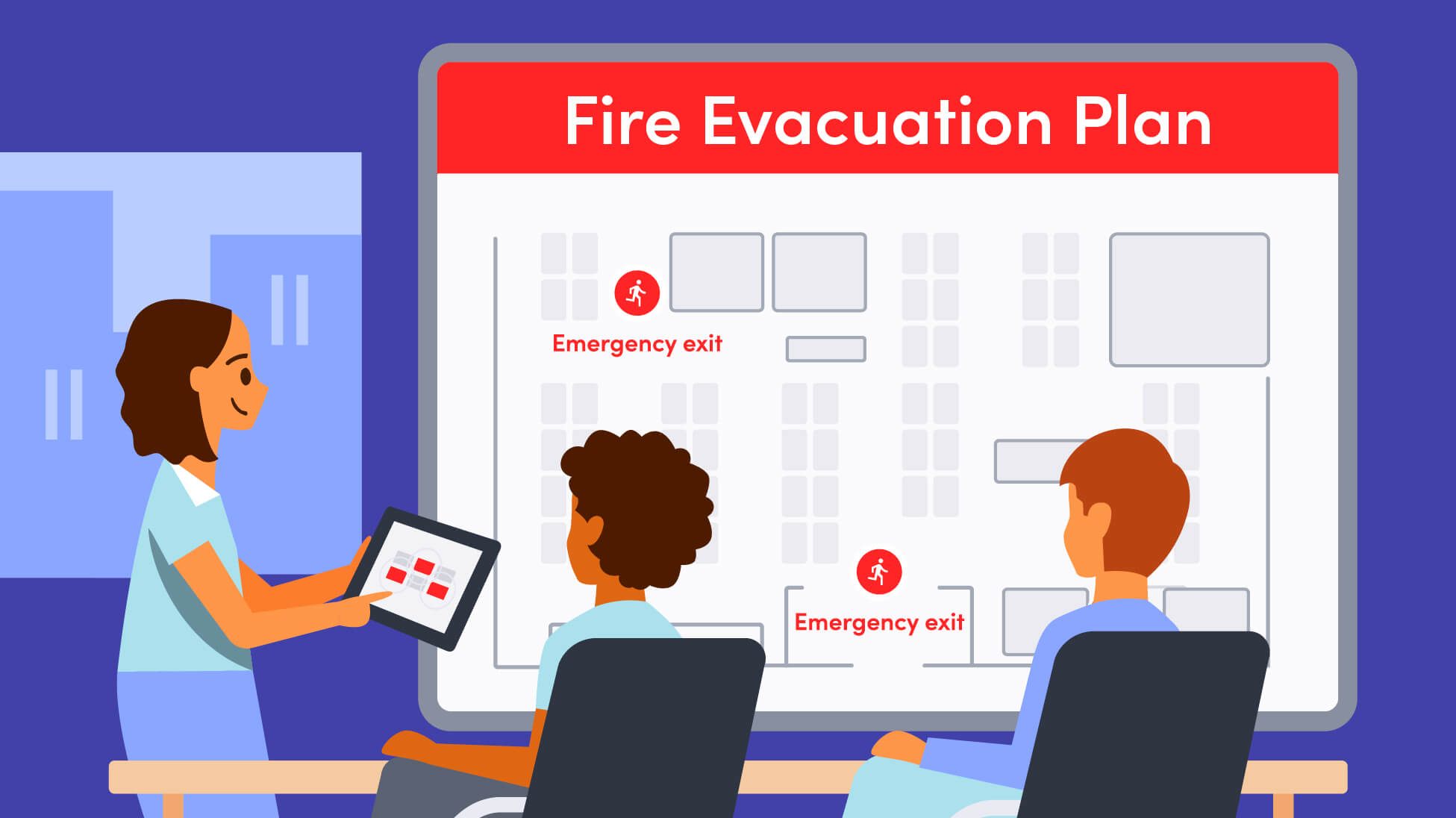
A strong fire evacuation plan goes beyond exit routes. Here’s how to plan for alerts, muster points, accountability, response roles, accessibility, and everyone who may be onsite.

This guide breaks down the key response roles every workplace should define, from incident leads and wardens to communications, accountability, and backup coverage.