

Compliant visitor management for manufacturing starts at the front door

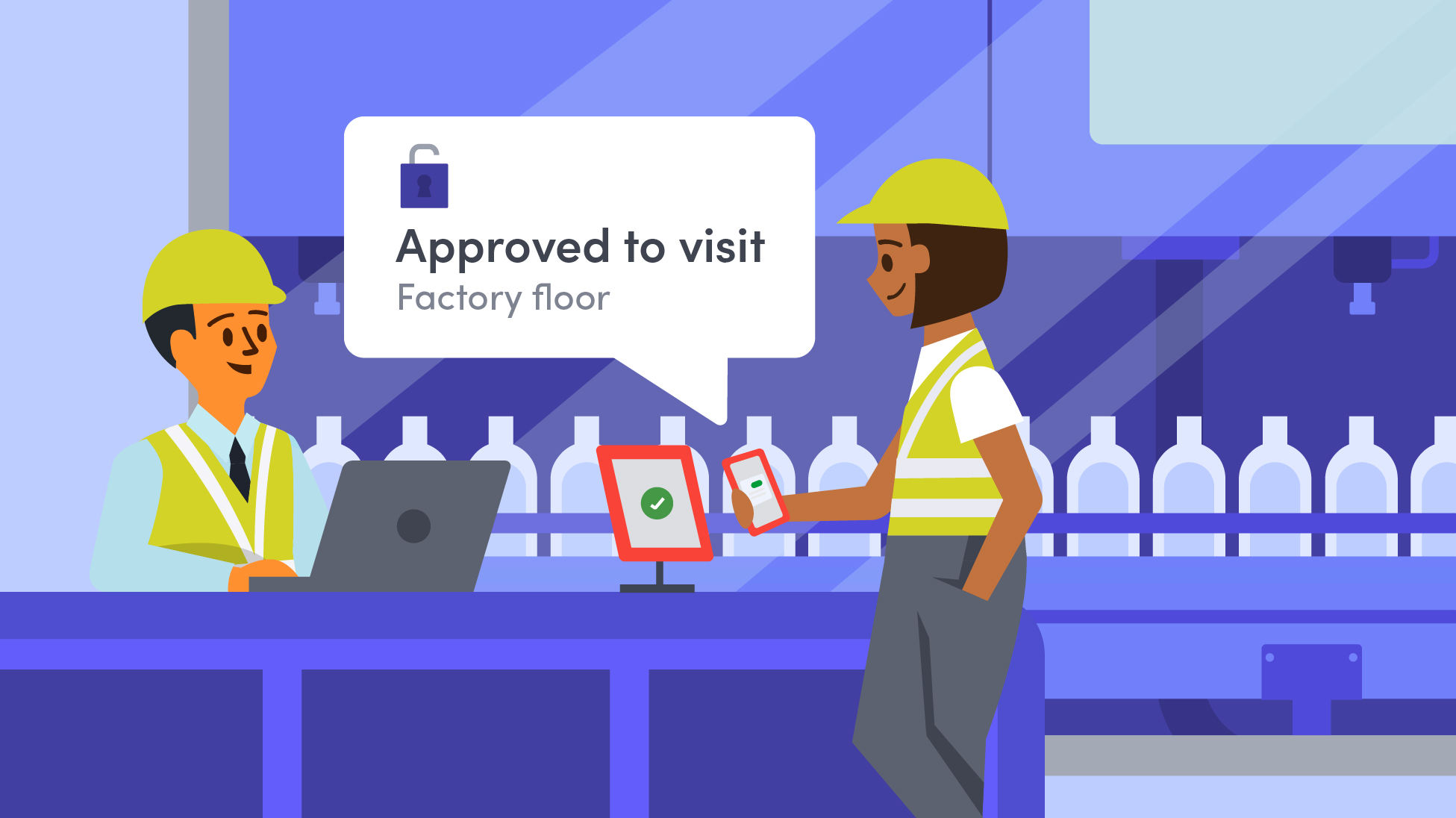
On its own, manufacturing in the United States would be the eighth-largest economy in the world. With $2.91 trillion in value added from manufacturing in 2024, only seven other nations (including the U.S.) would rank higher in terms of their GDP. But the U.S.’s manufacturing sector is continuing to see a hit to its true profits.
Even with strong value, manufacturers are navigating persistent challenges impacting their margins, ranging from economic uncertainty and labor shortages to the rapid adoption of new technologies in production environments. Adding to this strain is the need to keep pace with evolving regulations in response to increasingly sophisticated threat actors.
The price tag of staying compliant
While there’s an undeniable strength in the United States’ manufacturing sector, the total cost of federal regulations is estimated at more than $3 trillion dollars—nearly matching the sector’s total output. For the average U.S. firm, that translates to roughly $277,000 annually, or about 19% of payroll expenses. For smaller manufacturers, the burden is even higher.
Compliance is no longer a once-a-quarter audit exercise. It’s an ongoing operational risk. And one of the most overlooked risk areas is also the most visible: your front door.
Every delivery driver, contractor, supplier, and guest who enters your workplace is part of a compliance checkpoint. One missed sign-in, one unverified badge, or one unsecured door can create gaps in your compliance posture. When combined with rising cyber-physical threats, those gaps can quickly turn into serious business risks.
Front-of-house practices matter just as much as the policies and systems behind them. The reception desk is often your first line of defense, as well as your first opportunity to enforce compliance in real time.
What does a compliant visitor management process actually look like at a manufacturing facility?
A compliant visitor management process is structured, consistent, and tailored to the realities of a manufacturing environment. It demands that your team ensures every visitor meets the requirements tied to their role before they step onto the floor.
In practice, that process should include:
- Pre-registration & approval. Visitors are registered ahead of time, with hosts reviewing and approving access before arrival.
- Role-based sign-in workflows. Contractors, vendors, auditors, and guests each follow different check-in steps based on compliance requirements.
- Required documentation & acknowledgments. This can include NDAs, safety waivers, certifications, or policy sign-offs collected during sign-in.
- Safety training or briefings. Visitors complete required training (e.g., safety videos) before being granted access.
- Badge printing & access control coordination. Visitors receive clear identification, and access is aligned with their role and clearance level.
- Real-time visibility into who is onsite. Teams can see exactly who’s in the building at any given time.
- Accurate check-out & recordkeeping. Every visit is logged with timestamps and details for audit purposes.
Without a defined process like this, compliance becomes inconsistent and dependent on manual effort, which increases the likelihood of errors, missed steps, and audit gaps. When evaluating solutions, manufacturers should look for systems—like Envoy—that can enforce these steps automatically and consistently across every location.
The reception desk dilemma
Bad actors aren’t just targeting data centers, they’re eyeing factory floors, supply chains, and physical access points. With attacks on manufacturing organizations often taking the form of extortion (29%) and data theft (24%), financial assets and intellectual property are at risk.
That puts new pressure on the front desk. The lobby check-in point becomes a frontline defense against both regulatory violations and security breaches, which is a lot to expect from a manual process.
A clipboard and paper logbook can’t verify credentials, enforce training, or provide real-time visibility. And when something goes wrong, it can’t provide the documentation needed to prove compliance.
What documentation do companies need to maintain for workplace safety audits?
Audit readiness depends on having complete, accurate, and accessible records of visitor activity and compliance steps. Manufacturers need documentation that shows policies were followed, not a simple sign-in sheet.
Key records typically include:
- Visitor logs. Names, timestamps, host information, and purpose of visit
- Signed agreements. NDAs, liability waivers, and policy acknowledgments
- Safety training records. Proof that required training or briefings were completed
- Certifications & credentials. Contractor licenses, insurance, or safety certifications
- Access records. Where visitors were allowed to go and when
- Incident & emergency records. Documentation of any safety events or responses
The challenge is being able to retrieve it quickly during an audit. Digital visitor management systems make this easier by centralizing records, standardizing data collection, and ensuring nothing is missed, reducing audit prep time and the risk of incomplete or inconsistent documentation.
Redefining the first impression of manufacturing
Paper logbooks are outdated and introduce unnecessary risk. Modern visitor management systems (VMS) replace manual processes with automated workflows that handle everything from document collection to real-time tracking.
With the right system in place, manufacturers can create a digital record for every visitor, improve audit readiness, and respond more effectively during emergencies.
They can also enforce tiered access protocols, ensuring visitors only enter areas appropriate to their role. A vendor dropping off materials shouldn’t have the same level of access as a safety inspector. Clear access controls help protect sensitive areas and reduce risk.
Just as important, teams can run drills and prepare front desk staff to act as a communication hub during emergencies, turning the reception area into a coordinated part of your safety strategy.
Making compliance a competitive signal
Manufacturers that take visitor management seriously not only reduce risk but create operational advantages.
A modern approach to visitor management for manufacturing helps reduce audit prep time, improve consistency across locations, and provide confidence that processes are being followed. It also creates a more professional and secure experience for visitors, reinforcing your reputation as a well-run, forward-thinking organization.
When done right, compliance becomes more than a requirement. It becomes a signal—to regulators, partners, and customers—that your organization operates with discipline, transparency, and control.
—
Protect your people and facilities against physical security risks, without disrupting daily security operations and overall guest experience. Watch this on-demand webinar to learn field-tested tips for visitor management in high-risk environments. 🔐 Watch now!
Read more

Compare leading mass notification vendors, their best-fit use cases, and key tradeoffs. Learn what to evaluate before choosing a system.
New Envoy research reveals where physical security gaps emerge and whether organizations can prove their controls are working.
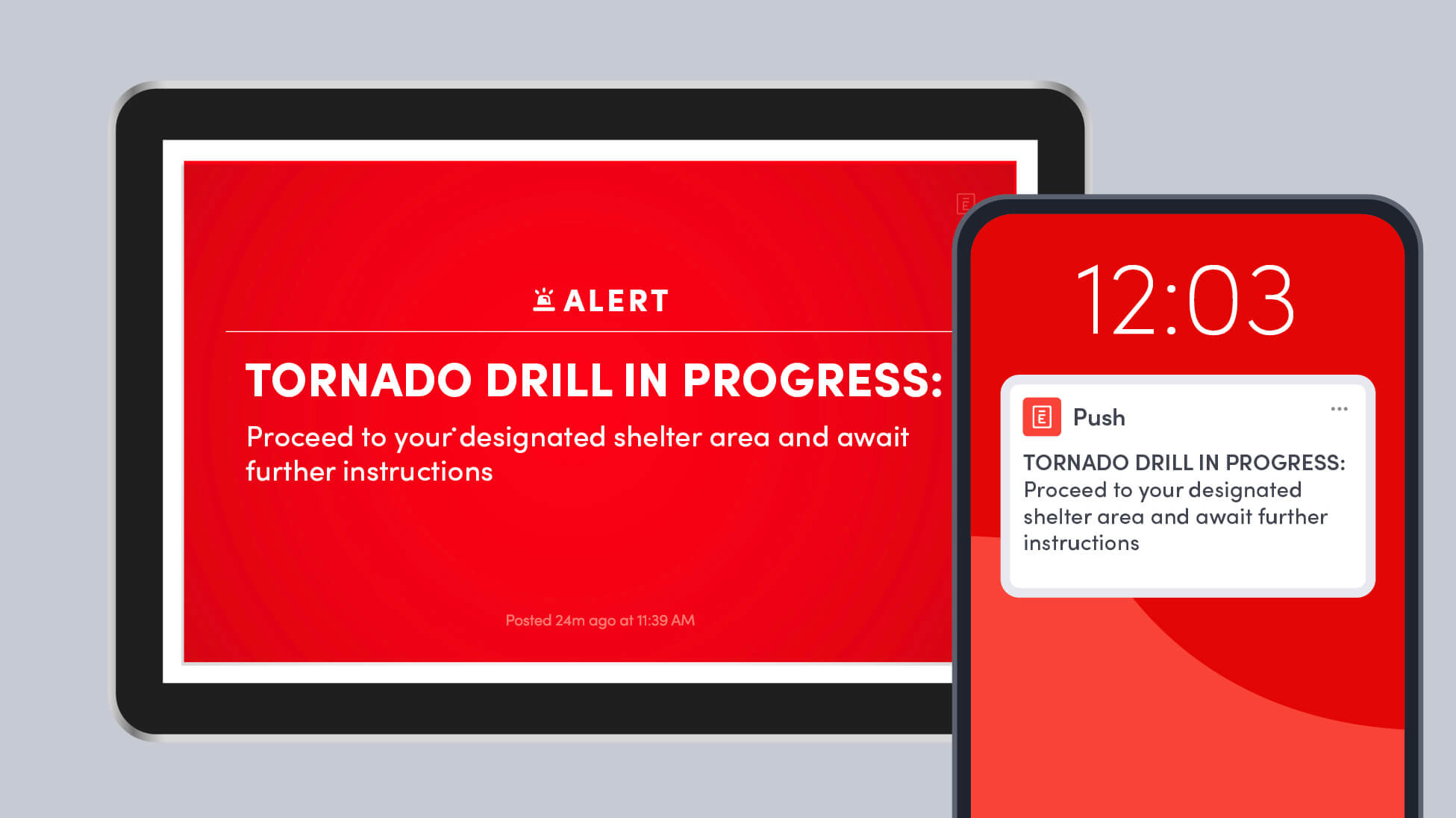
Learn how to run a workplace tornado drill, choose safer shelter areas, account for everyone onsite, and improve your emergency response plan.
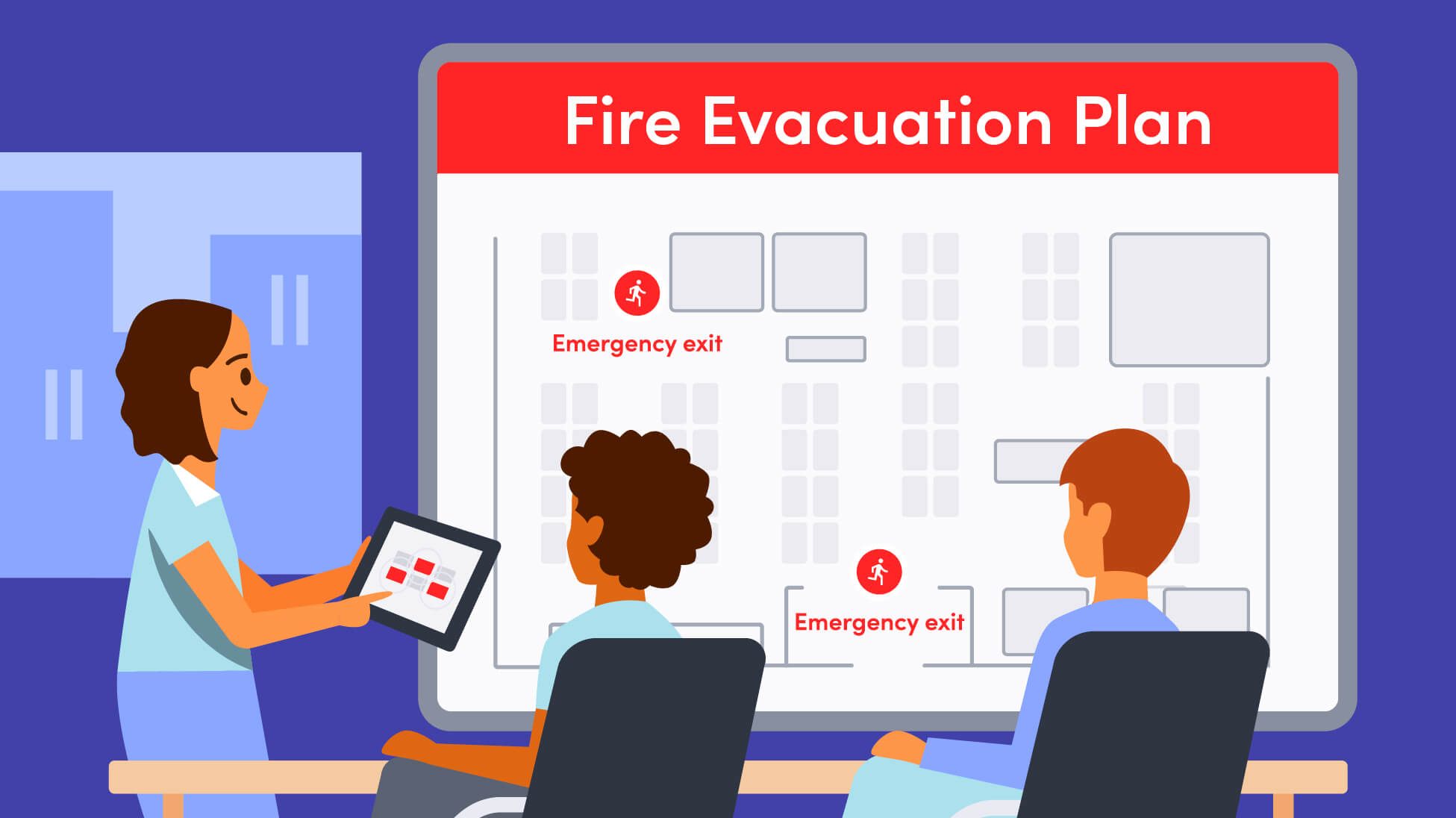
A strong fire evacuation plan goes beyond exit routes. Here’s how to plan for alerts, muster points, accountability, response roles, accessibility, and everyone who may be onsite.

This guide breaks down the key response roles every workplace should define, from incident leads and wardens to communications, accountability, and backup coverage.
Active shooter drills should build preparedness without creating unnecessary fear. Here’s how to test communication, decision-making, accountability, and response roles with a safer, more thoughtful exercise.