

Advanced visitor badge systems: Best practices for security and identity management


Most physical security incidents don’t start with a sophisticated breach. They start with a small identity gap. A contractor wanders beyond their approved area. A delivery driver walks in unchecked. A visitor badge doesn’t clearly show escort requirements, so employees assume the person belongs. These situations are more common than many organizations realize.
But incidents like these rarely happen because security teams lack policies. They happen because visitor identity isn’t clearly visible or enforced once someone is inside the building.
Visitor badges are one of the most visible security controls inside a facility. When implemented correctly, they help security teams verify identity, communicate visitor permissions, and maintain clear visibility into who is onsite. In more advanced environments, they also act as a real-time enforcement layer for identity, access, and compliance.
Where visitor identity breaks down
Most organizations manage employee access through badge systems and identity platforms. Visitors, however, often enter facilities through far less structured processes.
Contractors, vendors, delivery drivers, and interview candidates may all pass through reception in a single day. Without consistent visitor identification, these individuals can unintentionally become security blind spots.
Common risks include:
- Visitors moving through facilities without clear identification
- Contractors accessing areas beyond their intended destination
- Visitors remaining onsite longer than expected
- Employees assuming someone else has already verified a guest
What are advanced visitor badges?
Advanced visitor badges turn the check-in process into a structured identity workflow. They are digitally generated and physically printed during check-in, linking each visitor to a real-time record that verifies identity, tracks activity, and defines access permissions.
Every visitor badge printed should correspond to a digital visitor record capturing:
- Visitor name
- Photo captured during check-in
- Host or department
- Date and visit timestamp
- Signed documents such as NDAs or safety agreements
- Issued access credentials
These details allow employees to quickly answer a critical question: Is this person authorized to be here?
Many systems also connect to access control platforms to issue temporary credentials that restrict where a visitor can go within a facility. By linking identity verification, visitor badge printing, and access permissions, these badges help security teams maintain visibility into who is onsite and what areas they are authorized to access.
Best practices for advanced badge systems
For organizations looking to strengthen their physical security posture, these best practices for advanced badge systems provide a simple but powerful way to reduce risk and prevent avoidable security incidents.
Preventing access beyond approved areas
A common failure point occurs after check-in. Once a visitor receives a generic badge, there’s often little preventing them from entering unauthorized areas. Advanced badge systems address this by integrating with access control tools to issue credentials, such as RFID cards or QR-based passes, that match the visitor’s approved access level.
Making escort policies visible
Many organizations require visitors to be escorted in sensitive environments such as production floors, labs, or engineering spaces. But this policy needs to be visible. Badges that clearly display “Escort required” provide an immediate visual cue to employees across the facility, helping prevent visitors from unintentionally accessing restricted areas.
Limiting visitor access with time-bound badges
Visitor access should never be open-ended. Badges that display expiration times help employees and security teams quickly determine whether a visitor’s approved access window has ended. This reduces the risk of contractors remaining onsite after work is complete or visitors returning later using old credentials.
Maintain visitor audit trail and digital documentation
Paper sign-in sheets rarely provide the level of visibility security teams need. They’re often incomplete, illegible, or unavailable. These records not only provide visibility into who’s onsite. They also allow security teams to maintain detailed, up-to-date visitor records that integrate across your systems to ensure compliance and reconstruct activity timelines if an incident occurs.
These best practices become even more critical in regulated environments, where badge design directly impacts compliance.
What information does an ITAR-compliant visitor badge need to display?
For organizations subject to the International Traffic in Arms Regulations (ITAR), visitor badges are part of how you enforce export control requirements in real time. While ITAR doesn’t mandate a specific badge format, it does require strict control over who can access defense-related data and areas.
In practice, that means badges need to clearly communicate whether someone is authorized to be there. An effective ITAR-aligned badge typically includes:
- Visitor name and photo for clear identity verification
- Company affiliation and host information
- Date and time of visit, including expiration
- Access level or approved areas
- A clear designation if escort is required
- Visual indicators of visitor status (e.g., contractor, vendor, guest)
In some environments, organizations may also include indicators related to citizenship or authorization status, especially when access is restricted to U.S. persons.
The goal is clarity. Employees should be able to quickly assess whether a visitor is authorized to be in a given space without needing to check another system.
How do badge requirements differ depending on visitor type (contractor vs. vendor vs. auditor)?
Not all visitors carry the same level of risk, and badge systems should reflect that.
- Contractors. Contractors often require the most control. They may be onsite for extended periods, interact with equipment, or access sensitive areas. Their badges typically include detailed access permissions, expiration dates tied to project timelines, and clear indicators if training or escorting is required.
- Vendors. Vendors and delivery personnel usually need limited, short-term access. Their badges should emphasize restricted access zones and short validity windows, making it clear they are not authorized to move freely throughout the facility.
- Auditors. Auditors and regulators may require broader visibility but still need controlled access. Their badges often prioritize clear identification, host visibility, and, in some cases, escort requirements depending on the environment.
A well-designed badge system makes these differences obvious at a glance. Color coding, labels, or distinct badge layouts help employees quickly recognize who someone is, why they’re onsite, and what they’re allowed to do.
When paired with a visitor management system, these distinctions can be applied automatically, ensuring each visitor receives the right badge, with the right permissions, every time.
Moving from reactive visitor tracking to proactive risk management
Modern visitor badging is often one of the fastest ways for organizations to evolve from reactive visitor tracking to proactive risk management. Many organizations don’t intentionally design their visitor identity processes but evolve over time. As security programs mature, visitor management typically progresses through four stages.
Level 1: Manual tracking
Paper sign-in sheets and handwritten badges with limited visibility into who is onsite.
Level 2: Basic visitor badging
Printed visitor badges provide identification but do not control access or enforce escort rules.
Level 3: Integrated visitor identity management
Visitor badges connect to digital logs and access control systems, enabling time-bound credentials and stronger visibility.
Level 4: Proactive visitor risk management
Visitor identity integrates with broader security systems such as emergency notifications and security monitoring, giving security teams real-time awareness of who is onsite across locations.
—
Talk to Envoy about where you are with your badging system and discover our simple solutions for complex security challenges. Get in touch today.
Read more

Compare leading mass notification vendors, their best-fit use cases, and key tradeoffs. Learn what to evaluate before choosing a system.

New Envoy research reveals where physical security gaps emerge and whether organizations can prove their controls are working.
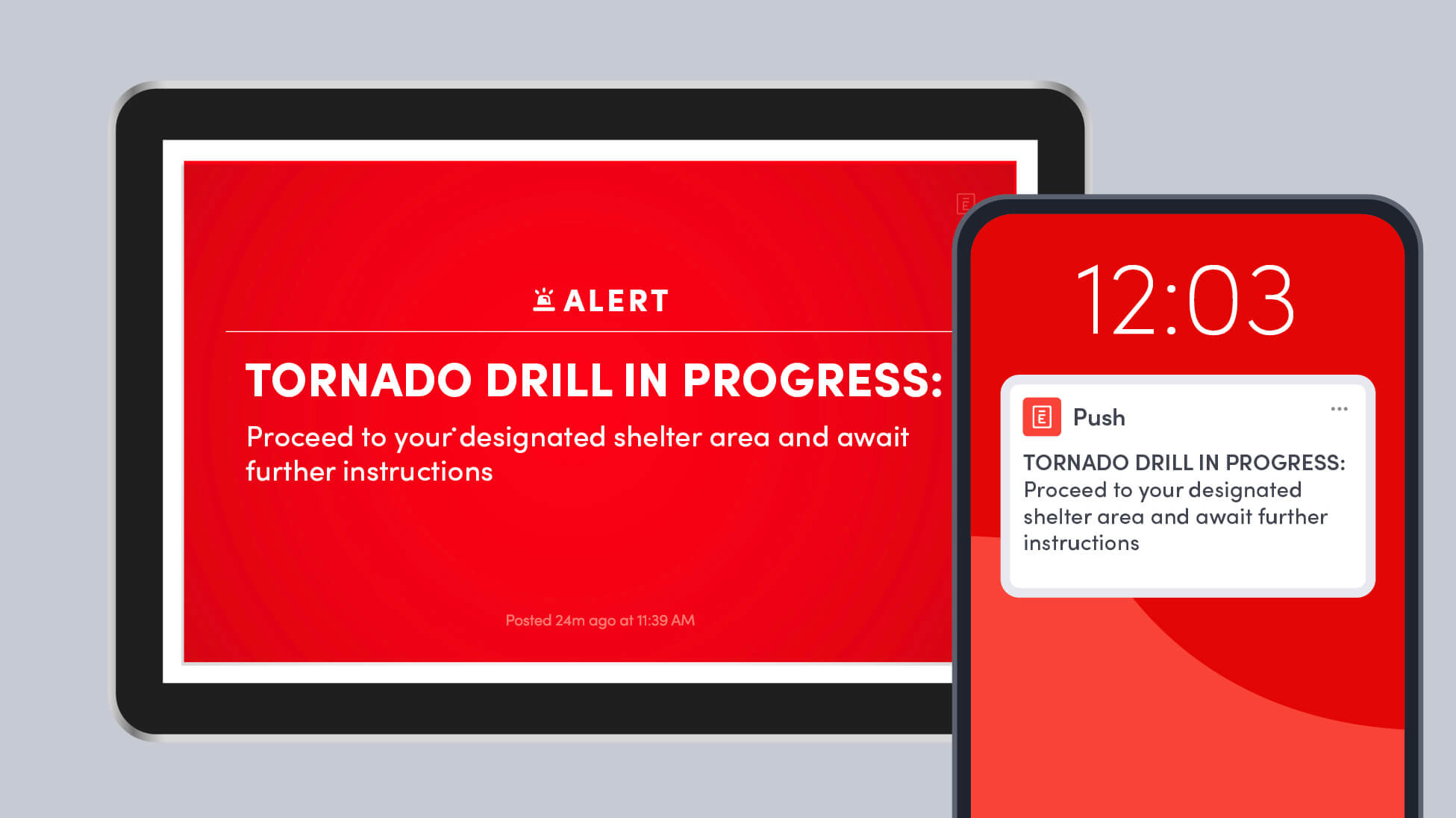
Learn how to run a workplace tornado drill, choose safer shelter areas, account for everyone onsite, and improve your emergency response plan.
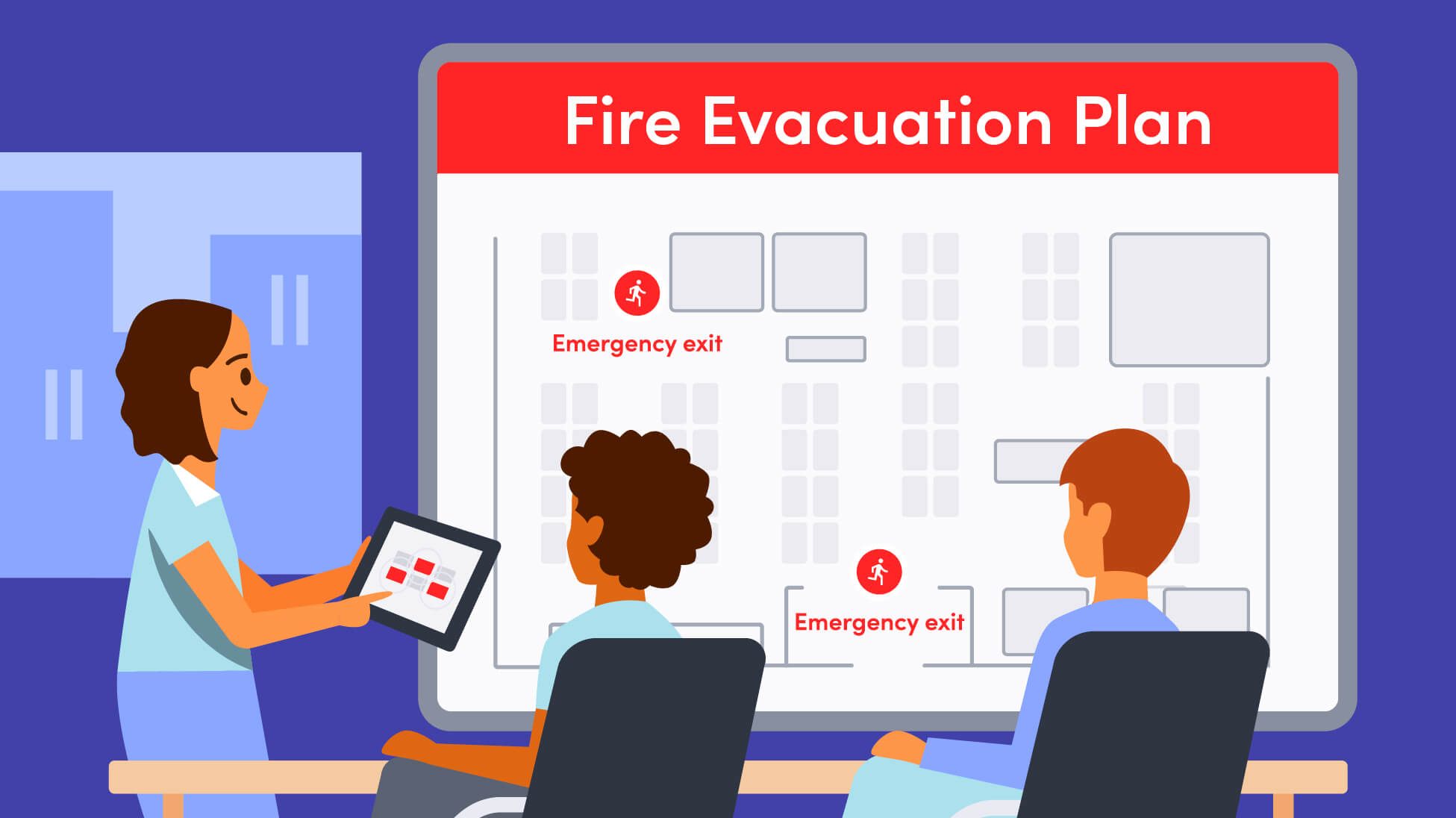
A strong fire evacuation plan goes beyond exit routes. Here’s how to plan for alerts, muster points, accountability, response roles, accessibility, and everyone who may be onsite.

This guide breaks down the key response roles every workplace should define, from incident leads and wardens to communications, accountability, and backup coverage.
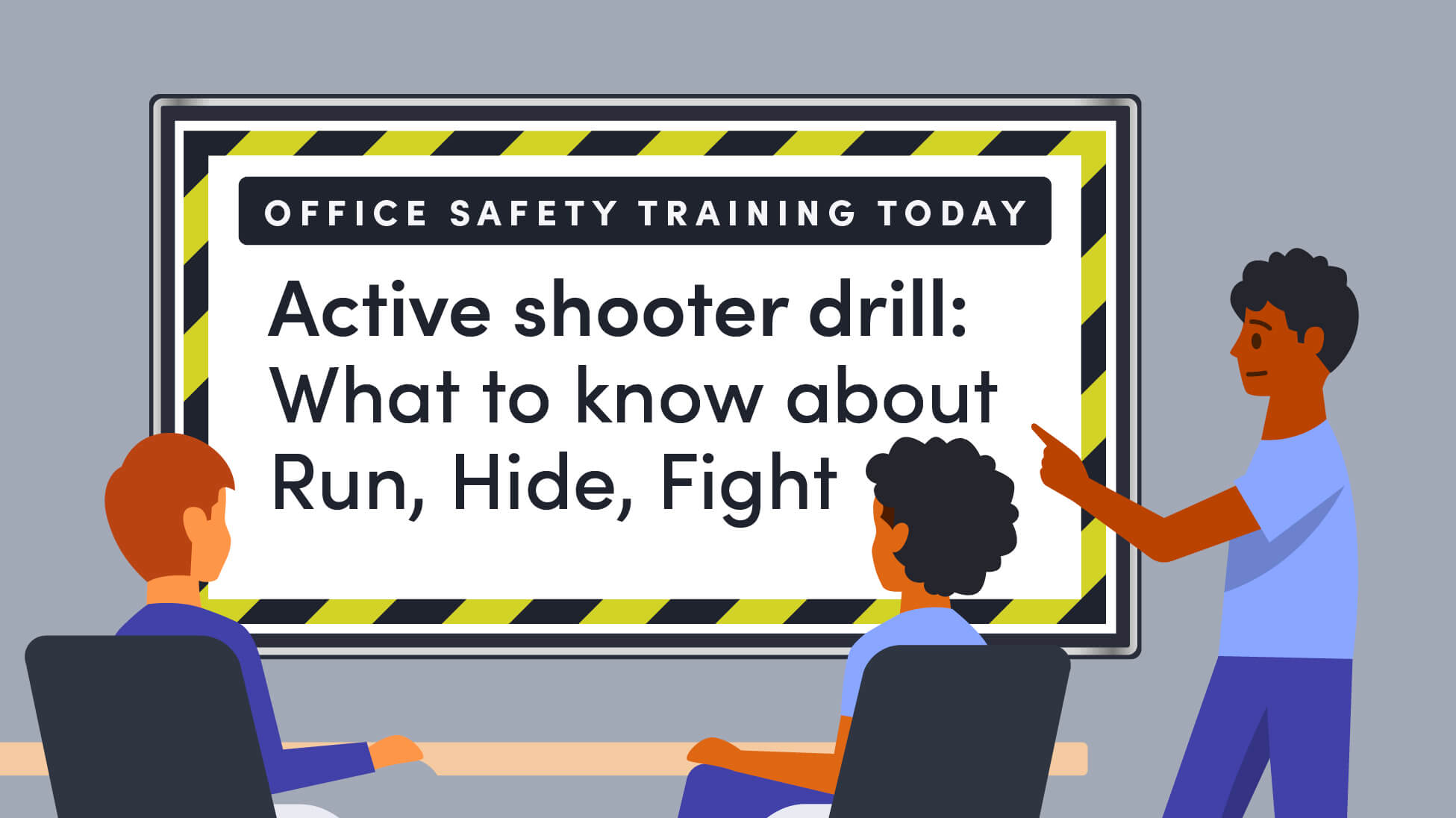
Active shooter drills should build preparedness without creating unnecessary fear. Here’s how to test communication, decision-making, accountability, and response roles with a safer, more thoughtful exercise.